เข็มกลัดเพชรรูปขนนกกระจอกเทศ: สมเด็จพระศรีพัชรินทราบรมราชินีนาถ และ สมเด็จพระนางเจ้าสิริกิติ์ พระบรมราชินีนาถ (ตอนที่ ๑)
เข็มกลัดเพชรรูปขนนกกระจอกเทศ: สมเด็จพระศรีพัชรินทราบรมราชินีนาถ และ สมเด็จพระนางเจ้าสิริกิติ์ พระบรมราชินีนาถ (ตอนที่ ๑)
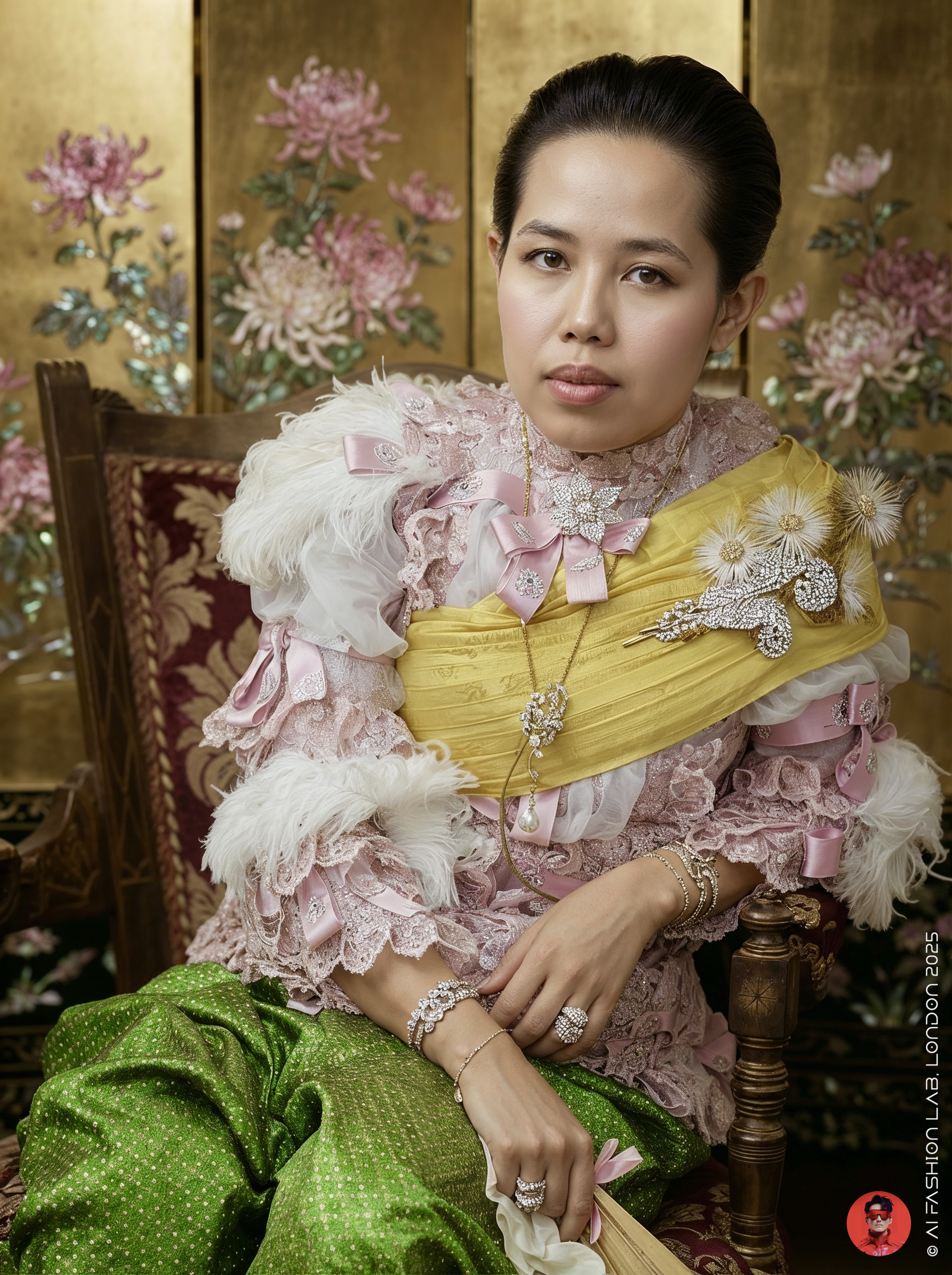
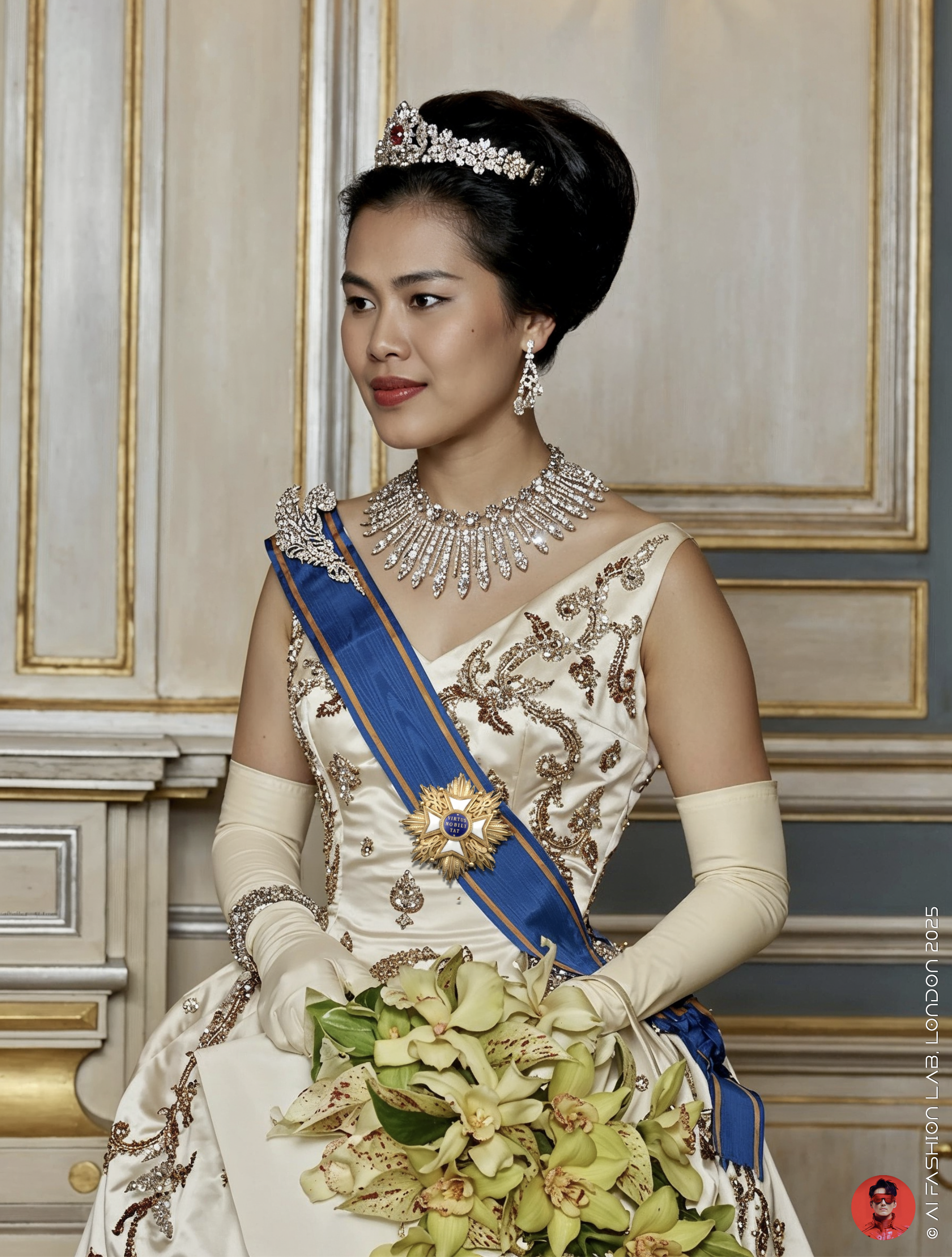
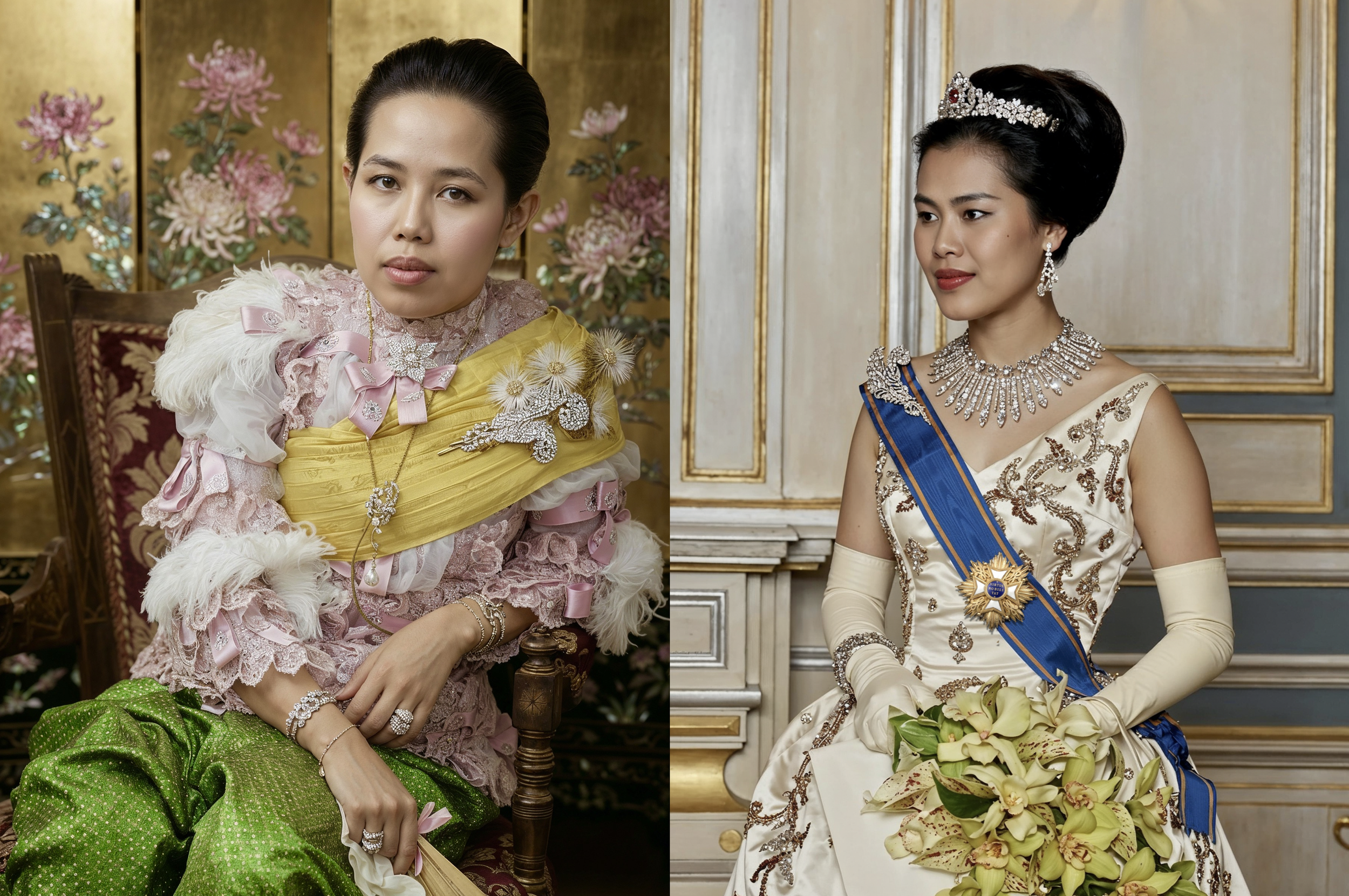
คอลเลกชันภาพที่ได้รับการบูรณะและสร้างสรรค์ด้วยเทคโนโลยี AI นี้ คือพระฉายาลักษณ์ของ สมเด็จพระศรีพัชรินทราบรมราชินีนาถ พระบรมราชชนนีพันปีหลวง ซึ่งสันนิษฐานว่าฉายขึ้นใน รัชกาลที่ ๕ ตอนกลาง ประมาณ พุทธศักราช ๒๔๒๐ (ค.ศ. 1880) และพระฉายาลักษณ์ของ สมเด็จพระนางเจ้าสิริกิติ์ พระบรมราชินีนาถ พระบรมราชชนนีพันปีหลวง ฉายในงานงาน gala concert ที่ Kurzaal เมือง The Hague เมื่อปี พุทธศักราช ๒๕๐๓ (ค.ศ. 1960)
เราสามารถสังเกตได้ว่า ในพระฉายาลักษณ์ของ สมเด็จพระศรีพัชรินทราบรมราชินีนาถ พระองค์ทรงสไบแพรจีบแบบพับครึ่งให้แคบลง สไตล์การแต่งพระองค์ที่เป็นที่นิยมอย่างยิ่งในรัชกาลที่ ๕ ตอนกลาง ก่อนที่จะวิวัฒนาการต่อมาเป็น แพรสะพาย และแพรปัก ในสมัยปลายรัชกาล
สิ่งที่น่าสนใจเป็นพิเศษในพระฉายาลักษณ์ของ สมเด็จพระศรีพัชรินทราบรมราชินีนาถ คือ “การเล่นประสานของลวดลายขนนกกระจอกเทศ” เข็มกลัดเพชรรูปขนนกสะท้อนกับขนนกกระจอกเทศจริงที่ประดับอยู่บนฉลองพระองค์ผ้าลูกไม้ เป็นการออกแบบที่ชาญฉลาดซึ่งช่วยขับความงามให้ทั้งเครื่องประดับและเครื่องแต่งกาย สะท้อนรสนิยมอันประณีตของแฟชั่นราชสำนักสยามช่วงปลายคริสต์ศตวรรษที่ ๑๙
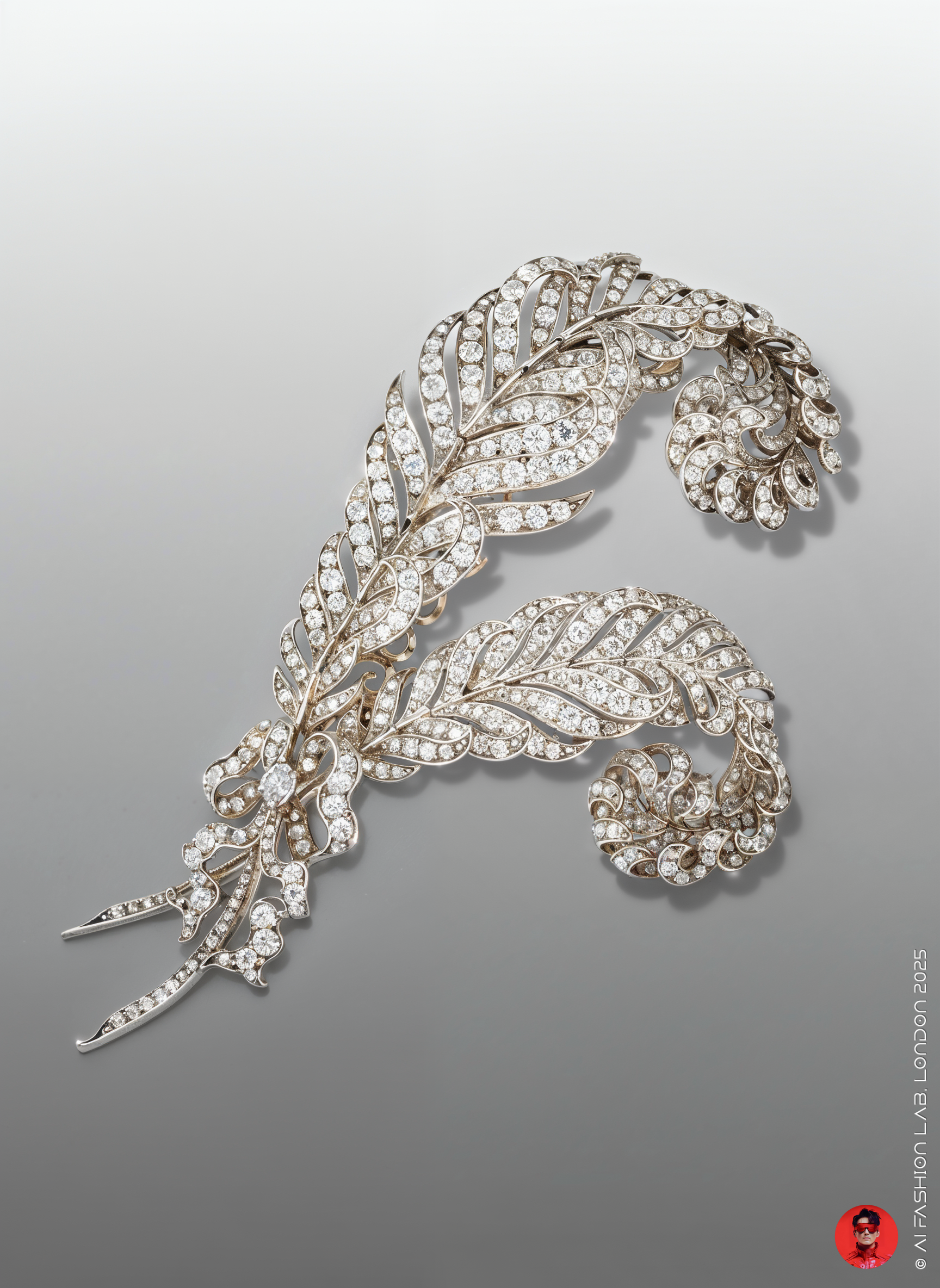
เข็มกลัดเพชรรูปขนนกกระจอกเทศ ซึ่งต่อมาได้กลายเป็นหนึ่งใน พระราชมรดกเครื่องประดับสำคัญ ที่สืบทอดมาถึง สมเด็จพระนางเจ้าสิริกิติ์ พระบรมราชินีนาถ พระบรมราชชนนีพันปีหลวง พระองค์ทรงประดับเข็มกลัดเพชรชิ้นนี้คู่กับฉลองพระองค์ราตรีอย่างงดงาม ในคราวเสด็จเยือนยุโรป พระองค์ทรงเข็มกลัดองค์นี้ในงาน gala concert ที่ Kurzaal เมือง The Hague เมื่อปี พุทธศักราช ๒๕๐๓ (ค.ศ. 1960)
ในโลกแฟชั่นของชนชั้นสูงยุโรป ขนนกกระจอกเทศมิได้เป็นเพียงวัสดุตกแต่ง หากเป็นสัญลักษณ์ที่สะสมความหมายทางสังคมมาอย่างยาวนาน ตั้งแต่คริสต์ศตวรรษที่ 18 เป็นต้นมา ขนนกกระจอกเทศได้กลายเป็นภาพแทนของความมั่งคั่ง ความสูงศักดิ์ และชีวิตที่อยู่เหนือความจำเป็นพื้นฐาน ขนนกที่ยาว เบา และพลิ้วไหวนี้ปรากฏอย่างโดดเด่นบนทรงผมสูงสลับซับซ้อนของสตรีผู้ดี ทำหน้าที่เสมือน “จุดสูงสุดแห่งแฟชั่น” ที่บ่งบอกฐานะของผู้สวมใส่ได้ในทันที
ความนิยมของขนนกกระจอกเทศในช่วงเวลาดังกล่าว มิได้เกิดจากความงามเพียงอย่างเดียว หากเกิดจากคุณค่าของความหายากและต้นทุนที่สูงลิ่ว ขนนกต้องเดินทางไกลจากดินแดนนอกยุโรป ผ่านเครือข่ายการค้าระหว่างทวีป กระบวนการคัดเลือกขนที่สมบูรณ์ การทำความสะอาด และการจัดรูปทรง ล้วนต้องอาศัยแรงงานและช่างฝีมือระดับสูง ด้วยเหตุนี้ ขนนกกระจอกเทศจึงมีราคาสูงและมักถูกเก็บรักษา ใช้ซ้ำ หรือถ่ายทอดเป็นทรัพย์สิน ไม่ต่างจากอัญมณีหรือเครื่องประดับล้ำค่าอื่น ๆ
เมื่อเข้าสู่คริสต์ศตวรรษที่ 19 ความหมายเชิงสัญลักษณ์ของขนนกกระจอกเทศได้ขยายจากทรงผมและศีรษะ มาสู่โลกของเครื่องประดับอย่างชัดเจน ช่างอัญมณีเริ่ม “แปลภาษา” ของขนนกจริงให้กลายเป็นรูปทรงถาวร ด้วยการใช้เพชรเรียงเป็นเส้นโค้งเลียนแบบโครงสร้างของขน ความพลิ้วไหวที่เคยเป็นของธรรมชาติ ถูกถ่ายทอดผ่านประกายเพชรและเส้นโลหะอันละเอียดอ่อน จนเกิดเป็น เข็มกลัดเพชรรูปขนนก ซึ่งทำหน้าที่เป็นทั้งเครื่องประดับและสัญลักษณ์ทางชนชั้นในคราวเดียวกัน
เข็มกลัดเพชรรูปขนนกกระจอกเทศจึงมิได้ถือกำเนิดขึ้นอย่างโดดเดี่ยว หากเป็นผลสืบเนื่องโดยตรงจากวัฒนธรรมการประดับขนนกกระจอกเทศจริงในแฟชั่นชั้นสูง การเลือกใช้เพชร ซึ่งเป็นอัญมณีที่สะท้อนแสงอย่างคมชัดและคงทนถาวร แทนขนนกที่เปราะบางและเสื่อมสภาพได้ง่าย คือการยกระดับสัญลักษณ์แห่งความมั่งคั่งจากสิ่งชั่วคราวสู่สิ่งที่เป็นอมตะ เข็มกลัดเพชรรูปขนนกจึงกลายเป็น “ขนนกแห่งสถานะ” ที่ไม่ร่วงโรยตามกาลเวลา
ในพระฉายาลักษณ์ของ สมเด็จพระศรีพัชรินทราบรมราชินีนาถ พระบรมราชชนนีพันปีหลวง การประดับเข็มกลัดเพชรรูปขนนกกระจอกเทศคู่กับขนนกกระจอกเทศจริงบนฉลองพระองค์ผ้าลูกไม้ คือการแสดงออกถึงรสนิยมระดับสูงอย่างลุ่มลึก เป็นการเล่นประสานระหว่างธรรมชาติและงานช่าง ระหว่างของจริงและของประดิษฐ์ ซึ่งสะท้อนความเข้าใจแฟชั่นสากลในระดับราชสำนัก มิใช่เพียงการรับแบบ หากเป็นการเลือกใช้ด้วยความหมาย
ต่อมา เมื่อเข็มกลัดเพชรรูปขนนกชิ้นนี้ถูกสืบทอดและนำมาประดับโดย สมเด็จพระนางเจ้าสิริกิติ์ พระบรมราชินีนาถ พระบรมราชชนนีพันปีหลวง ในบริบทของแฟชั่นราตรีและเวทีนานาชาติ ความหมายของขนนกกระจอกเทศได้แปรเปลี่ยนอีกครั้ง จากสัญลักษณ์ของความมั่งคั่งในราชสำนักยุโรป สู่สัญลักษณ์ของความสง่างามร่วมสมัยและการสืบต่อมรดกทางวัฒนธรรม
ดังนั้น เข็มกลัดเพชรรูปขนนกกระจอกเทศในคอลเลกชันนี้ จึงไม่ใช่เพียงเครื่องประดับอันวิจิตร หากเป็นบทสนทนาทางประวัติศาสตร์ ระหว่างขนนกกระจอกเทศในโลกแฟชั่นศตวรรษที่ 18 กับเพชรในฐานะอัญมณีแห่งอำนาจและความยั่งยืน และระหว่างราชสำนักยุโรปกับราชสำนักสยาม ที่ต่างเข้าใจภาษาของความงาม ความมั่งคั่ง และศักดิ์ศรีในระดับสากลอย่างลึกซึ้ง
_________________
The Diamond Ostrich-Feather Brooch:Queen Saovabha Phongsri and Queen Sirikit (Part I)
This collection of images, restored and creatively reimagined using AI technology, presents a portrait of Queen Saovabha Phongsri, the Queen Mother, believed to have been taken in the middle period of the reign of King Chulalongkorn (Rama V), around B.E. 2420 (c. 1880).
One may observe that Her Majesty wears a pleated silk shoulder cloth, folded lengthwise to create a narrower drape—an attire style that was especially fashionable during the mid-reign of King Chulalongkorn, before later evolving into the embroidered and ceremonial shoulder sashes of the late period.
What is particularly striking in this portrait of Queen Saovabha Phongsri is the deliberate interplay of ostrich-feather motifs. The diamond feather brooch echoes the real ostrich feathers adorning the lace gown, creating a visual dialogue between jewellery and dress. This sophisticated design choice enhances both elements, reflecting the refined taste and fashion intelligence of the Siamese royal court in the late nineteenth century.
The diamond ostrich-feather brooch, which later became one of the most important royal heirloom jewels, was subsequently inherited by Queen Sirikit, the Queen Mother. She wore this brooch with evening gowns during her official visits to Europe, most notably at a gala concert at the Kurzaal in The Hague in B.E. 2503 (1960), where the jewel was presented within a modern international context of royal elegance.
In the world of European high society, ostrich feathers were never merely decorative materials. From the eighteenth century onwards, they accumulated profound social meaning, becoming powerful symbols of wealth, rank, and a life removed from material necessity. Long, light, and fluid, ostrich feathers appeared prominently in the towering and elaborate hairstyles of aristocratic women, functioning as the very “crowning element” of fashion—an immediate visual marker of status.
The popularity of ostrich feathers during this period did not stem from beauty alone, but from their rarity and extraordinary cost. Feathers travelled great distances from regions outside Europe through complex intercontinental trade networks. The careful selection of flawless plumes, along with cleaning, shaping, and preparation, required highly skilled labour. As a result, ostrich feathers commanded high prices and were often preserved, reused, or passed down as valuable possessions—no different from precious gemstones or fine jewellery.
By the nineteenth century, the symbolic meaning of ostrich feathers expanded beyond hairstyles and head-dress into the realm of jewellery. Jewellers began to translate the language of real feathers into permanent form, using diamonds set in flowing lines that mimicked the natural structure of plumes. What had once been ephemeral movement was now rendered in enduring sparkle and refined metalwork, giving rise to the diamond feather brooch, which functioned simultaneously as ornament and as a marker of social rank.
The diamond feather brooch did not emerge in isolation; rather, it was a direct continuation of the aristocratic culture of adorning oneself with real ostrich feathers. The choice of diamonds—brilliant, resilient, and permanent—in place of fragile feathers represented an elevation of wealth symbolism from the temporary to the eternal. The brooch thus became a feather of status that does not wither with time.
In the portrait of Queen Saovabha Phongsri, the pairing of a diamond feather brooch with real ostrich feathers on a lace gown demonstrates an exceptionally refined level of taste. It is a sophisticated dialogue between nature and craftsmanship, between the organic and the constructed—evidence of a royal understanding of international fashion trends, not as imitation, but as meaningful and selective adaptation.
Later, when this diamond feather brooch was inherited and worn by Queen Sirikit in the context of evening dress and international diplomacy, the symbolism of the feather evolved once more. From a marker of aristocratic wealth in European courts, it became a symbol of modern elegance, continuity, and cultural inheritance.
Thus, the diamond feather brooch in this collection is far more than an exquisite ornament. It is a historical conversation—between ostrich feathers in eighteenth-century fashion and diamonds as emblems of authority and permanence, and between European royal traditions and the Siamese court—both of which understood, with remarkable fluency, the universal language of beauty, wealth, and dignity.
_________________
เรียนเชิญกด Subscribe ได้ที่ลิงก์นี้ครับ เพื่อร่วมติดตามงานสร้างสรรค์ต้นฉบับ งานวิจัยประวัติศาสตร์แฟชั่น และผลงานอนุรักษ์มรดกวัฒนธรรมด้วยเทคโนโลยี AI ของ AI Fashion Lab, London ซึ่งมุ่งตีความอดีตผ่านมิติใหม่ของการบูรณะภาพ การสร้างสรรค์ภาพ และการเล่าเรื่องด้วยศิลปะเชิงดิจิทัล 🔗 https://www.facebook.com/aifashionlab/subscribe/
#aifashionlab #AI #aiartist #aiart #aifashion #aifashiondesign #aifashionstyling #aifashiondesigner #fashion #fashionhistory #historyoffashion #fashionstyling #fashionphotography #digitalfashion #digitalfashiondesign #digitalcostumedesign #digitaldesign #digitalaiart #ThaiFashionHistory #ThaiFashionAI #thailand #UNESCO