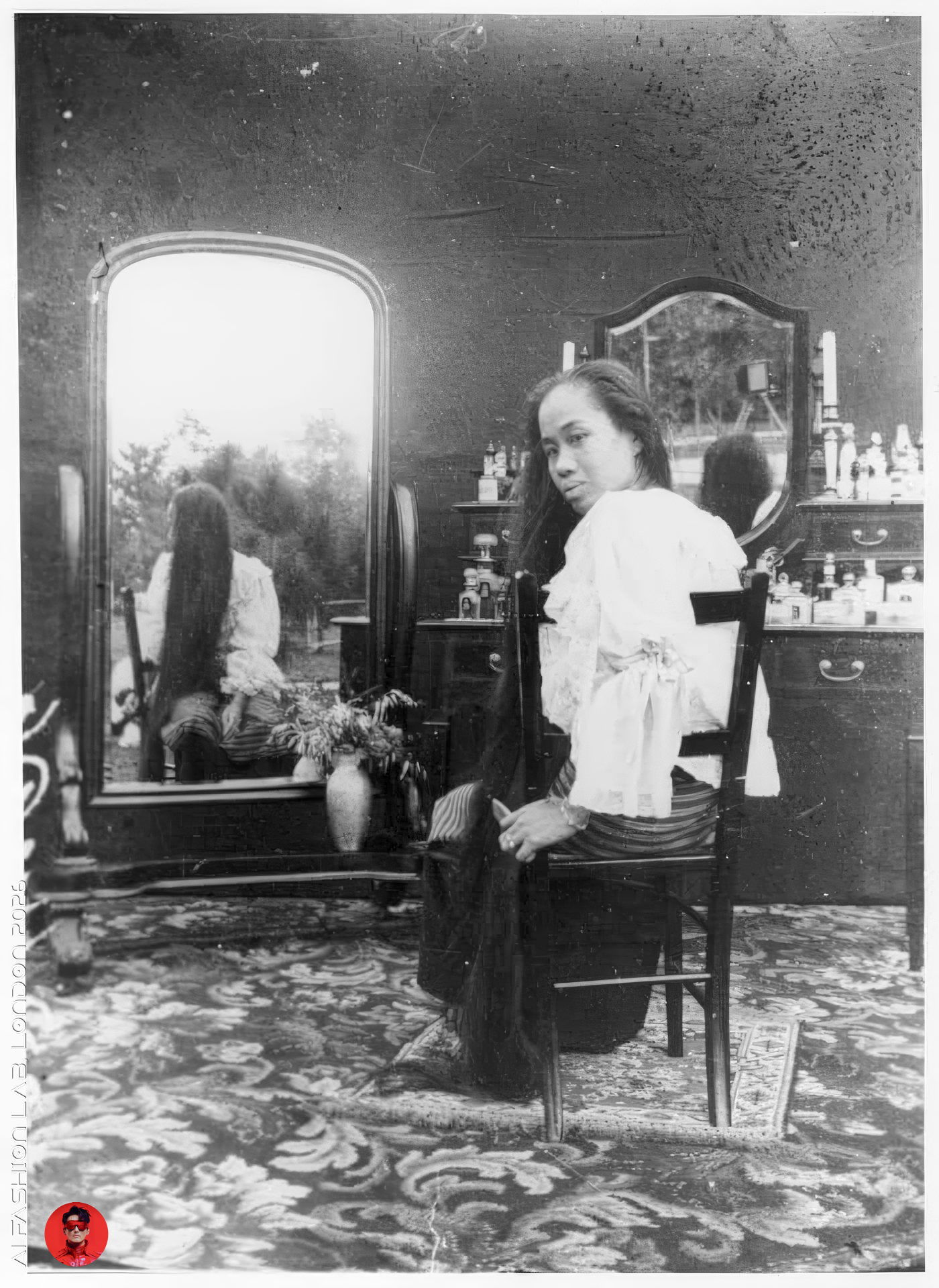
งานบูรณะพระรูปของพระราชชายา เจ้าดารารัศมี ณ พระที่นั่งวิมานเมฆ (พ.ศ. ๒๔๔๘)
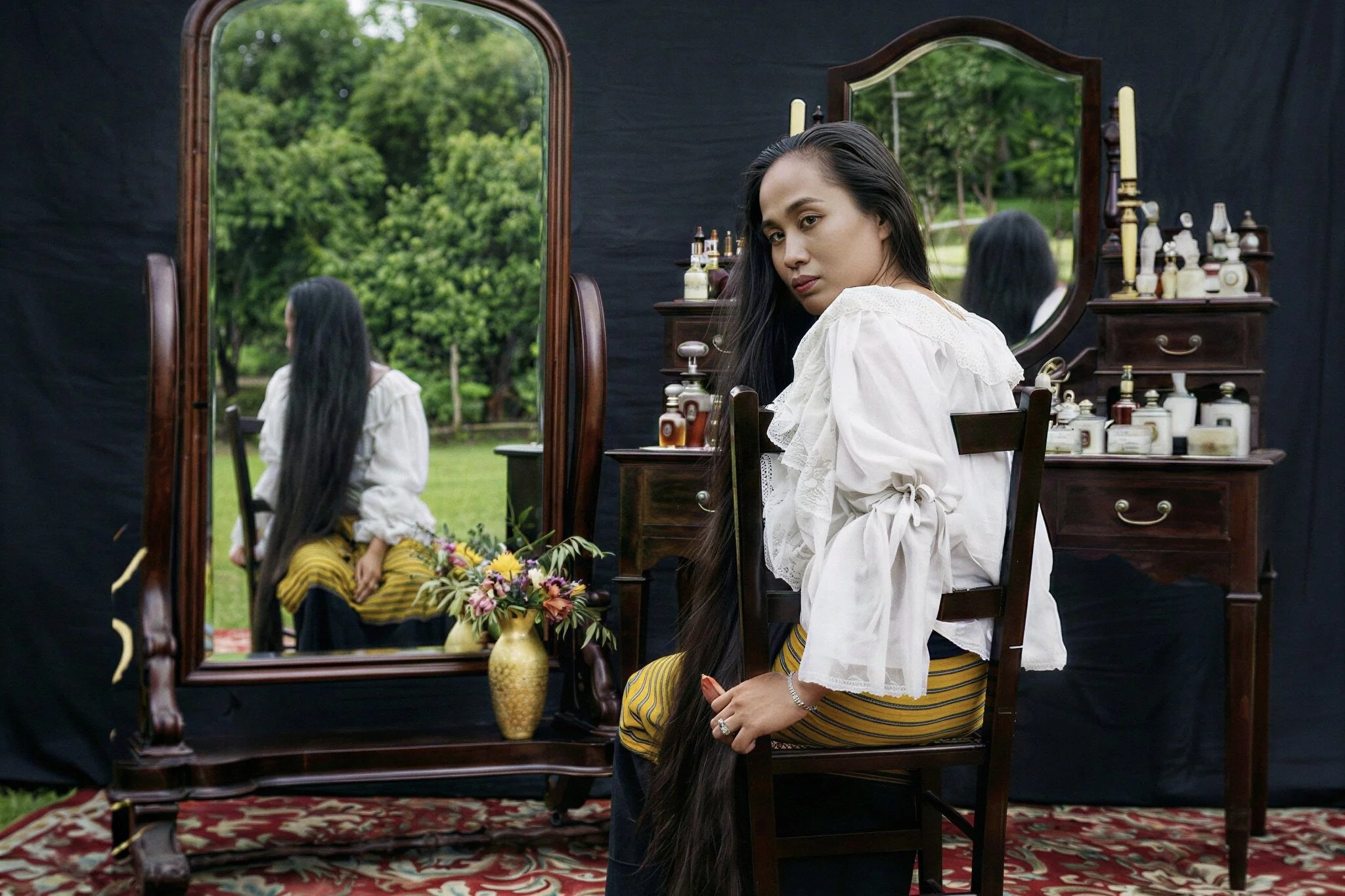
งานบูรณะพระรูปของพระราชชายา เจ้าดารารัศมี ณ พระที่นั่งวิมานเมฆ (พ.ศ. ๒๔๔๘)
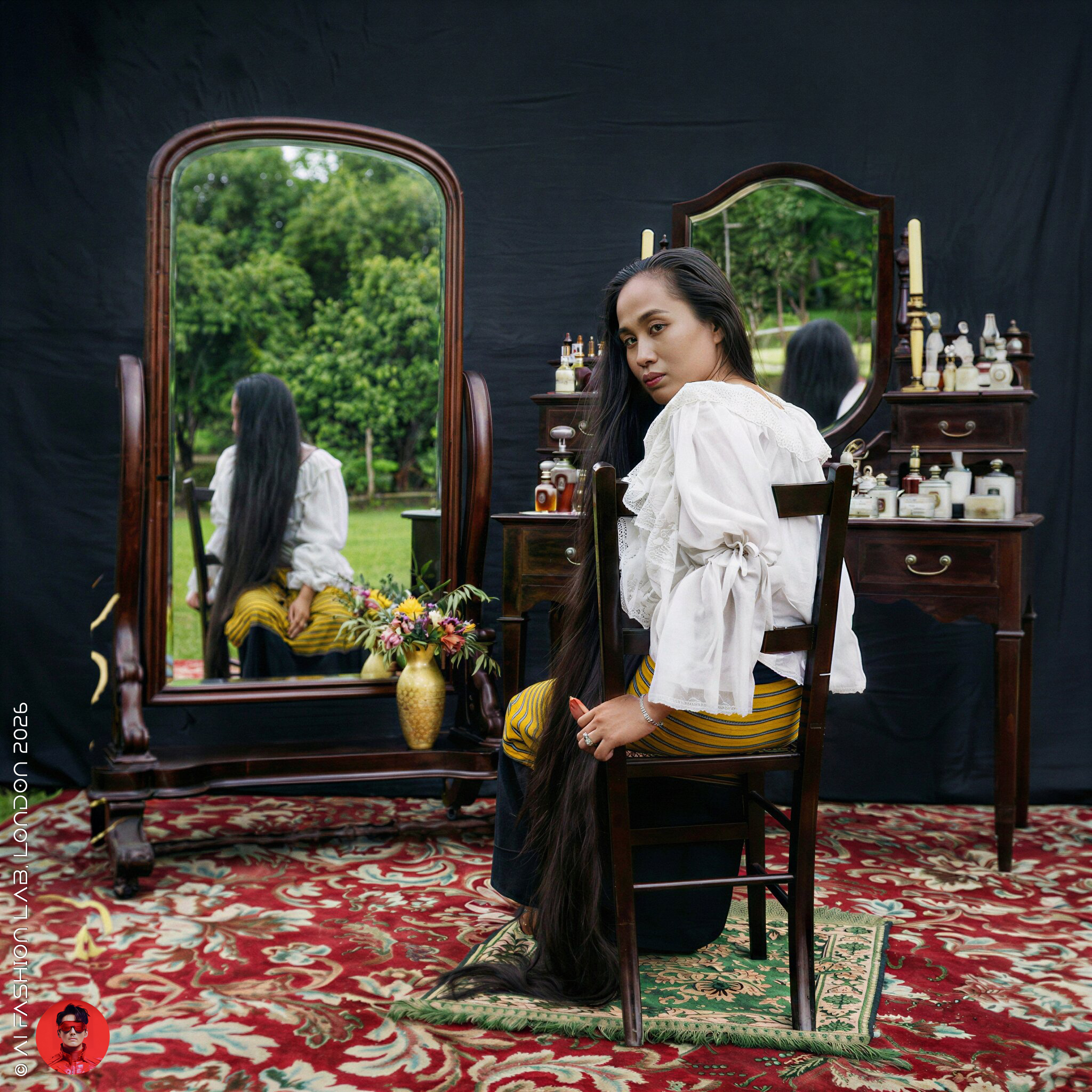
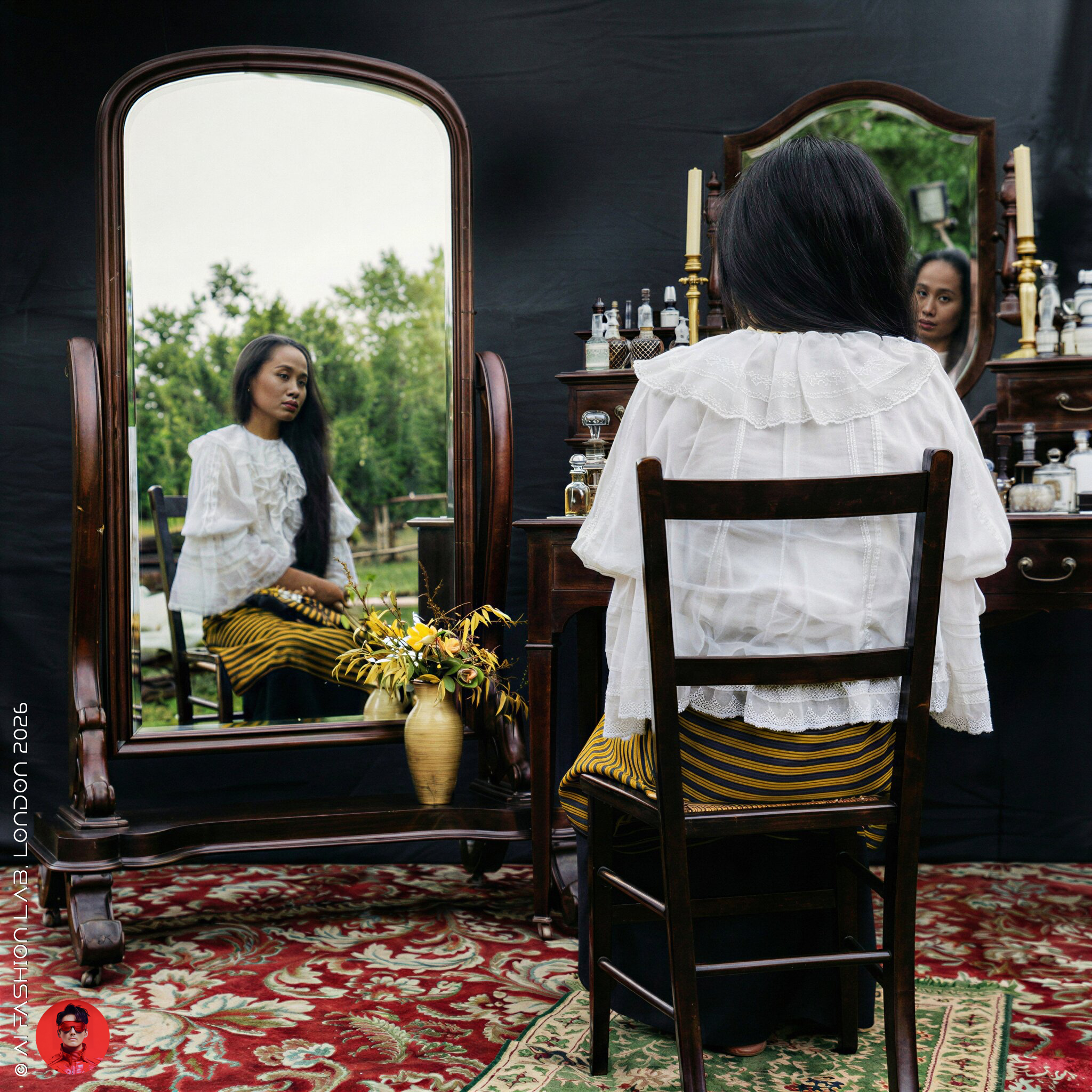
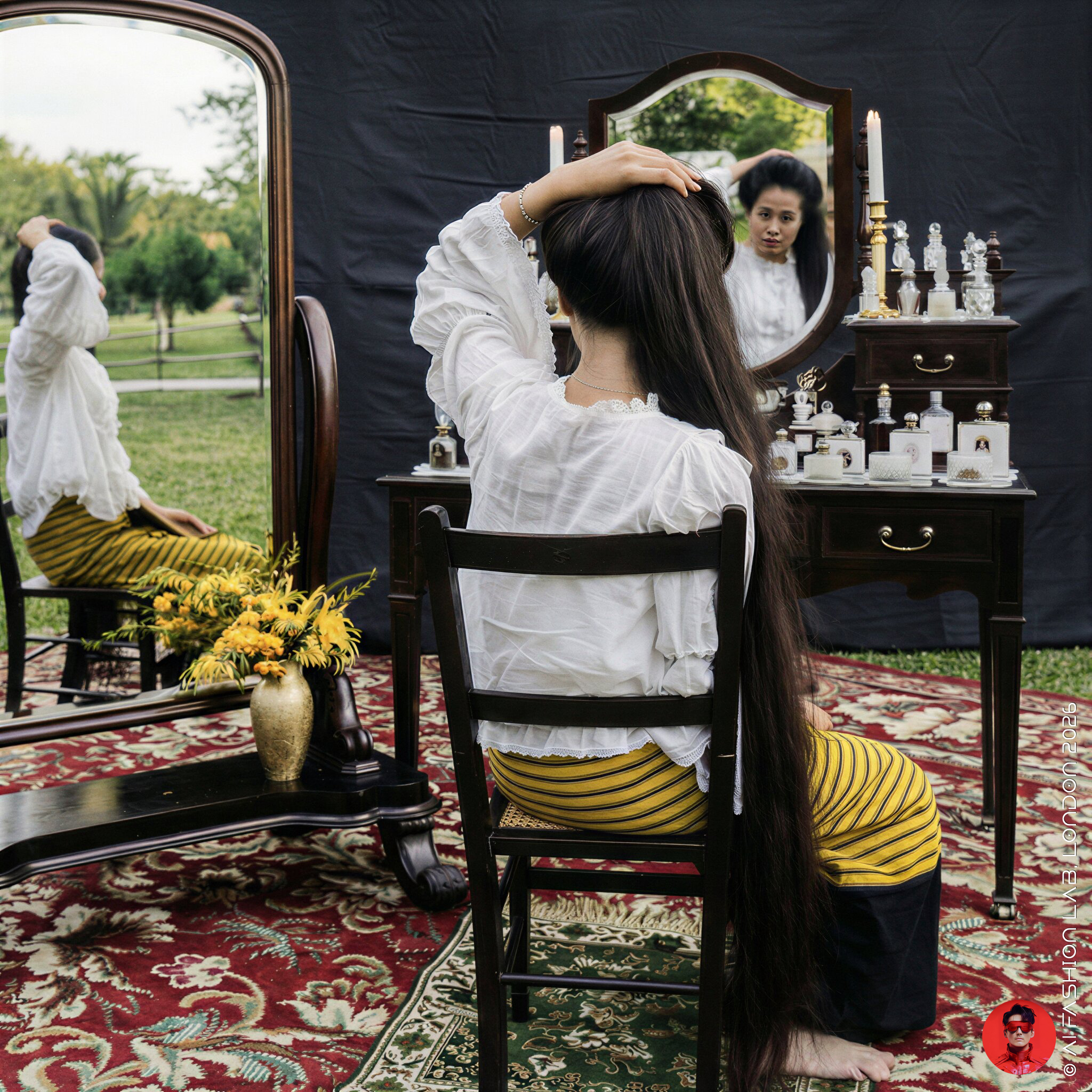
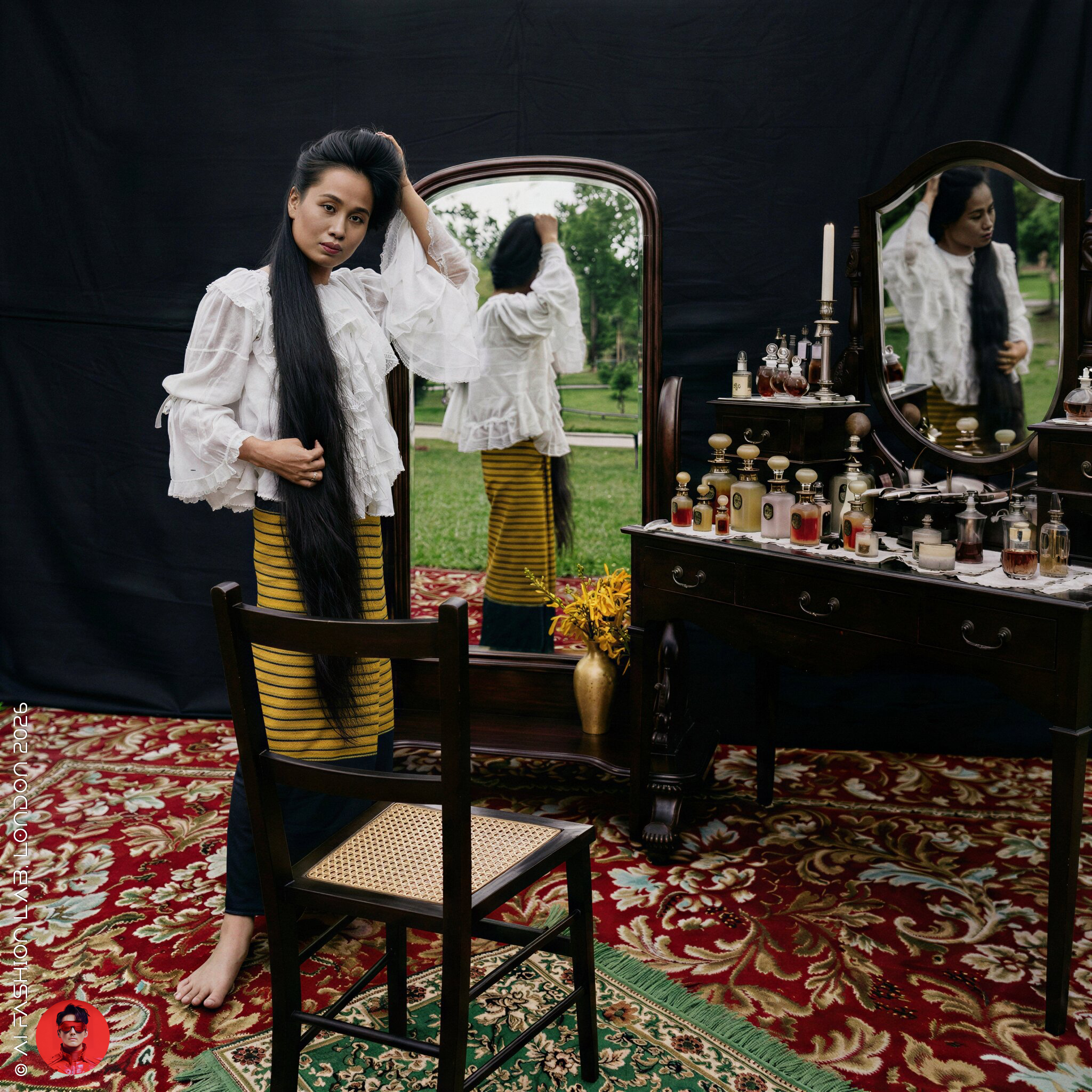
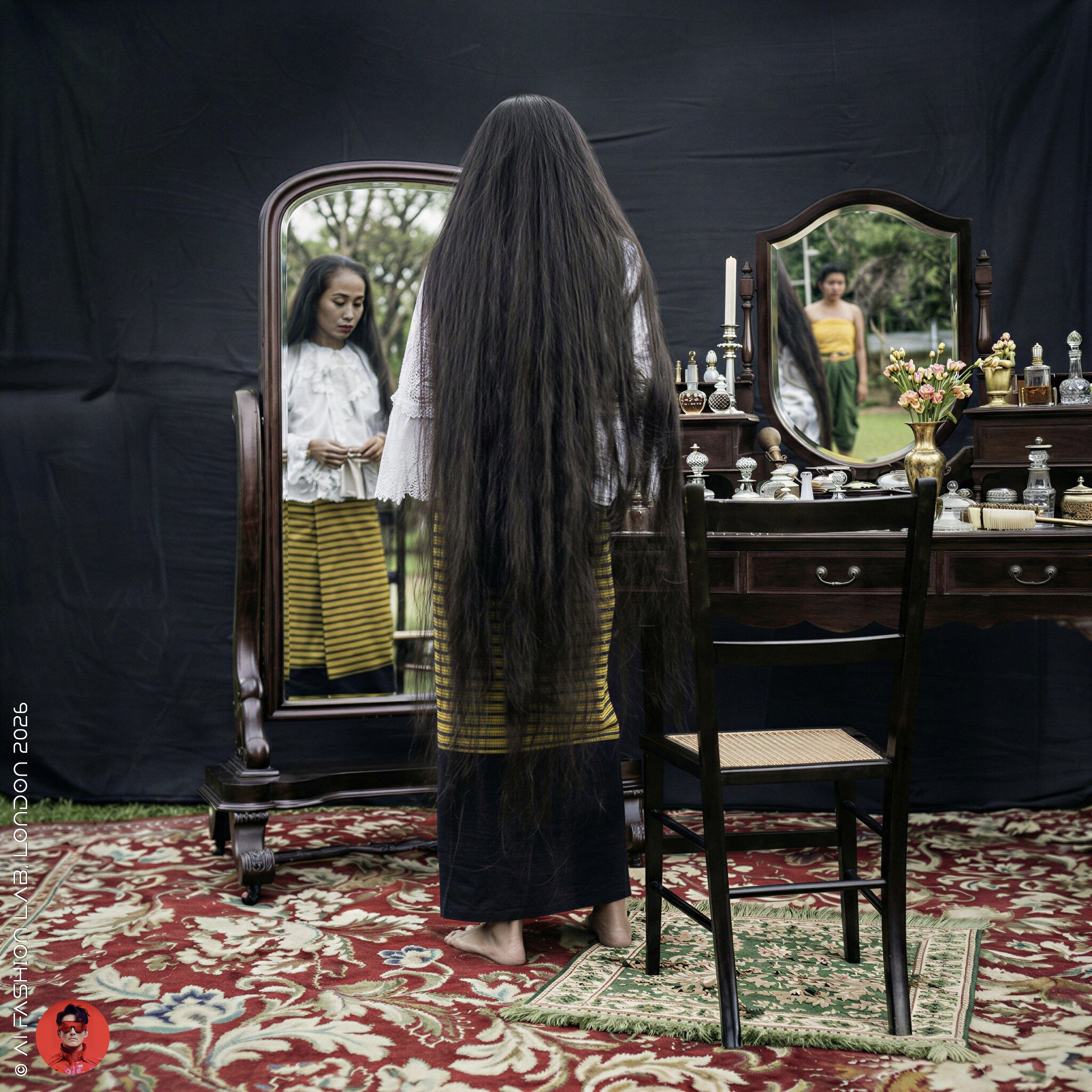
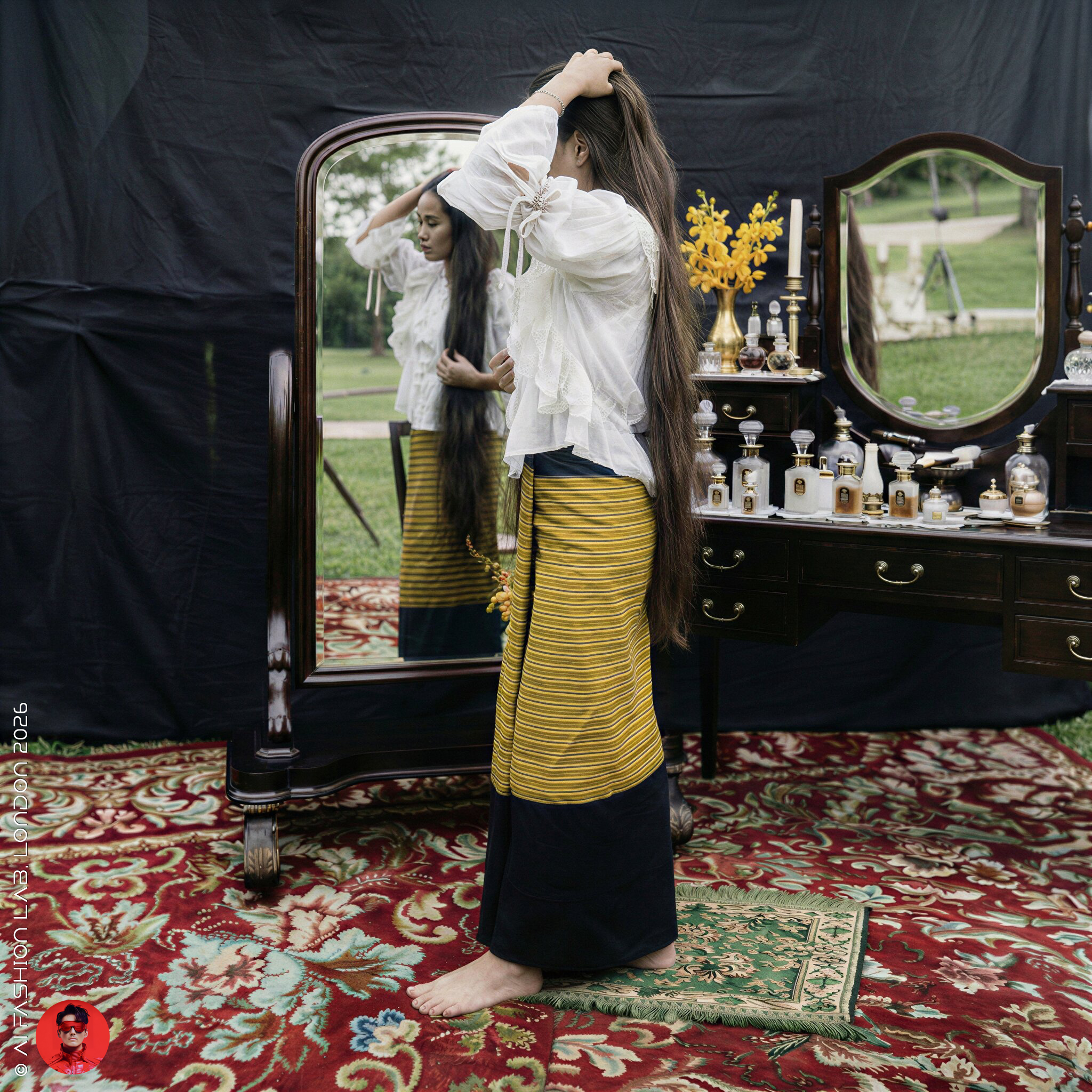
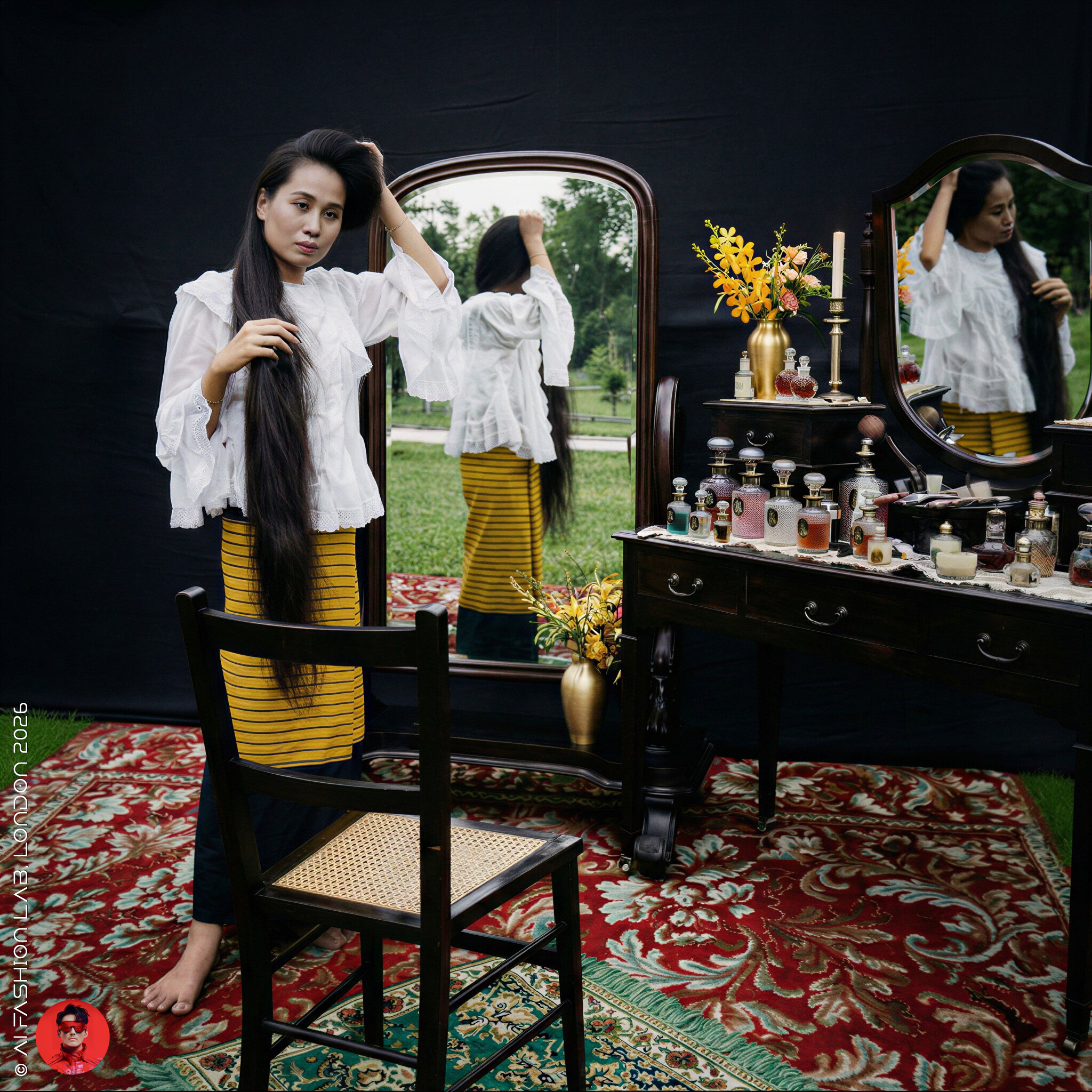
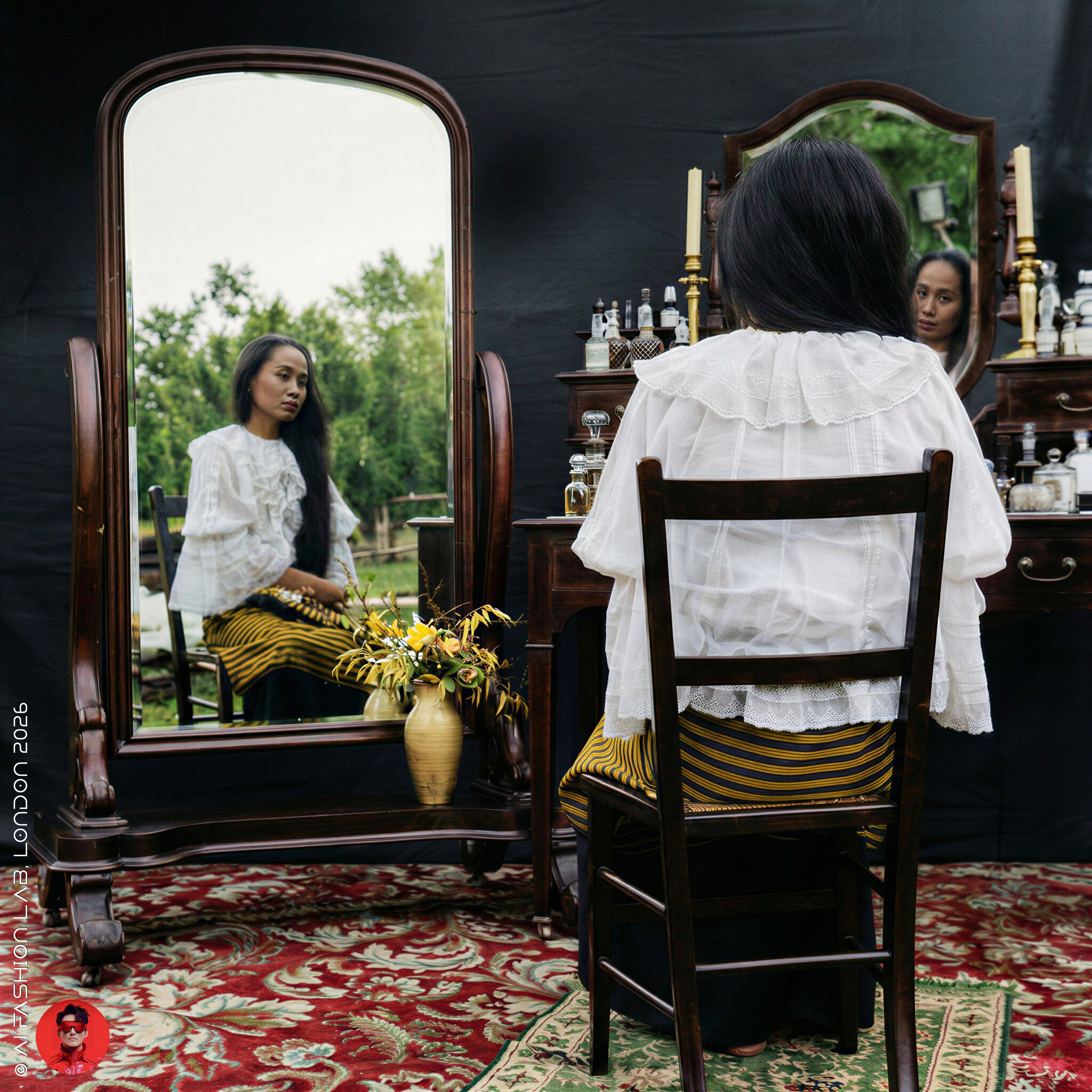
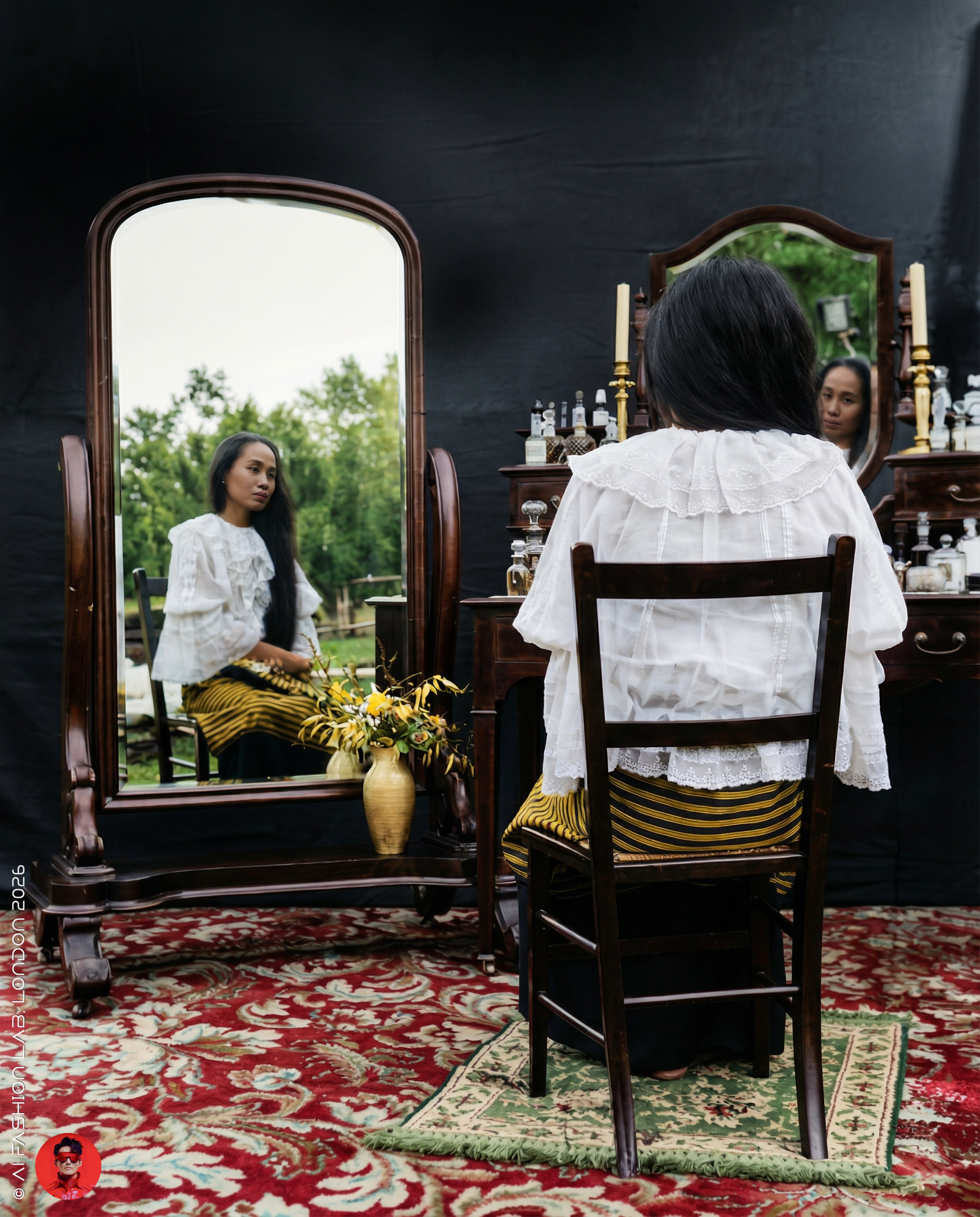
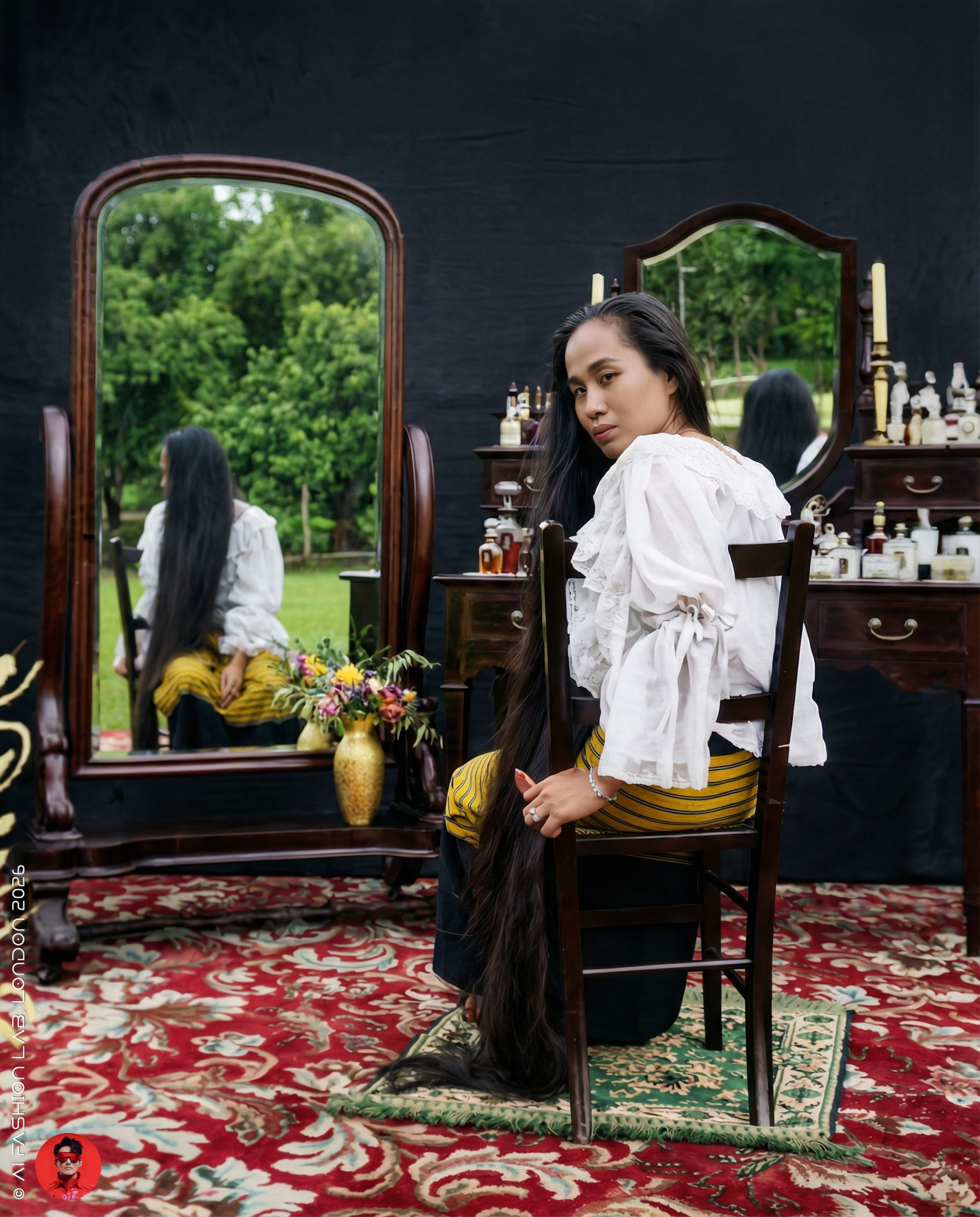
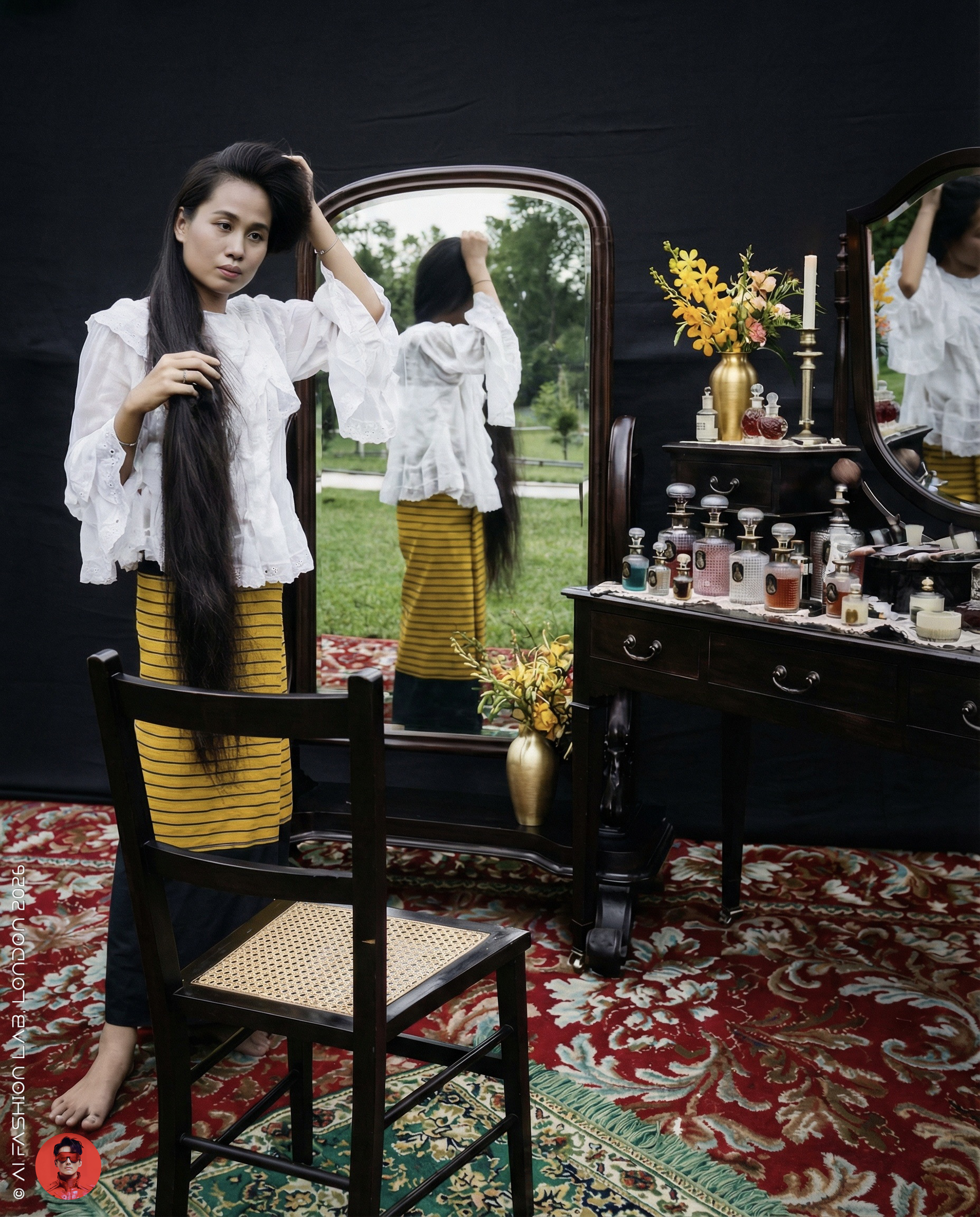
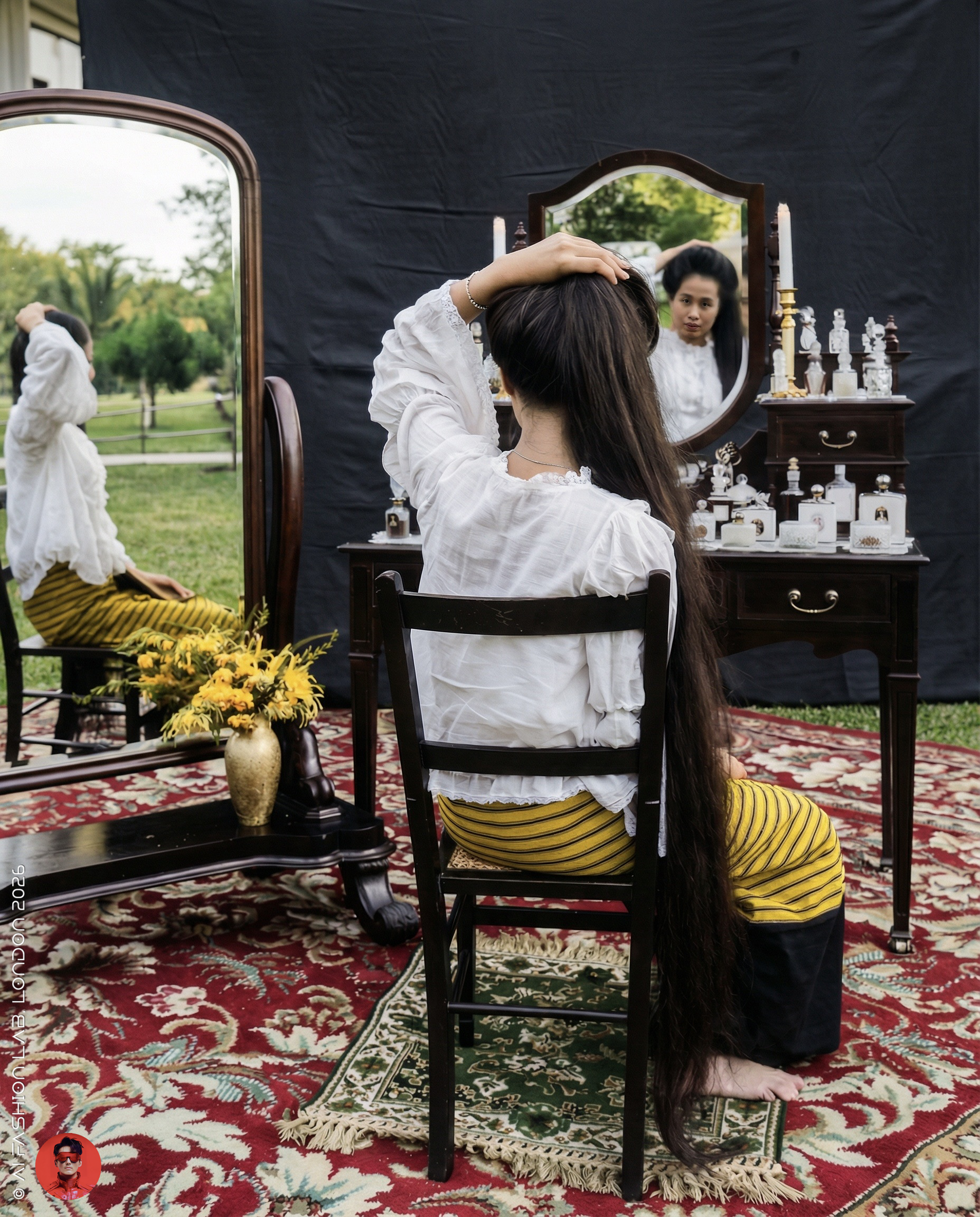
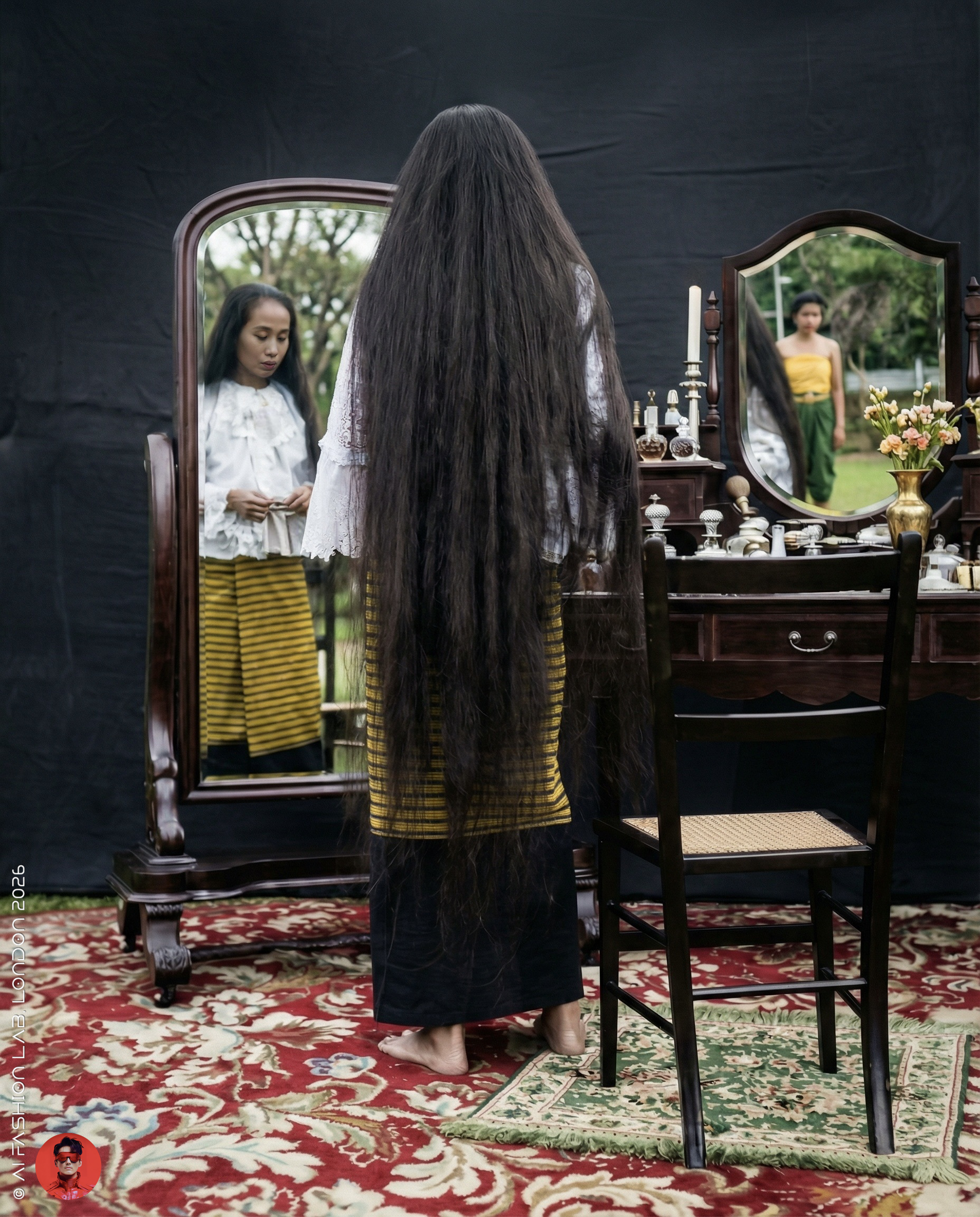
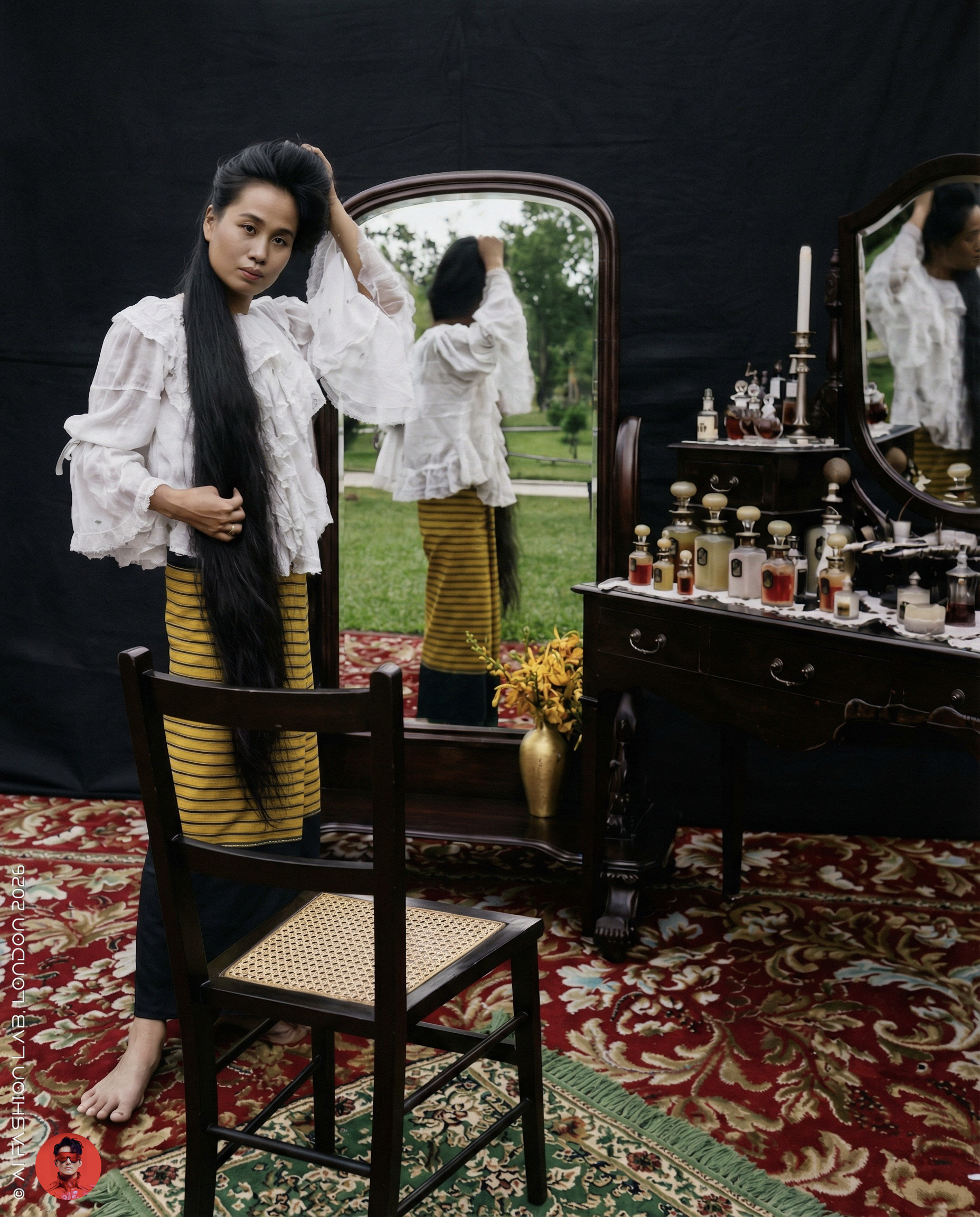
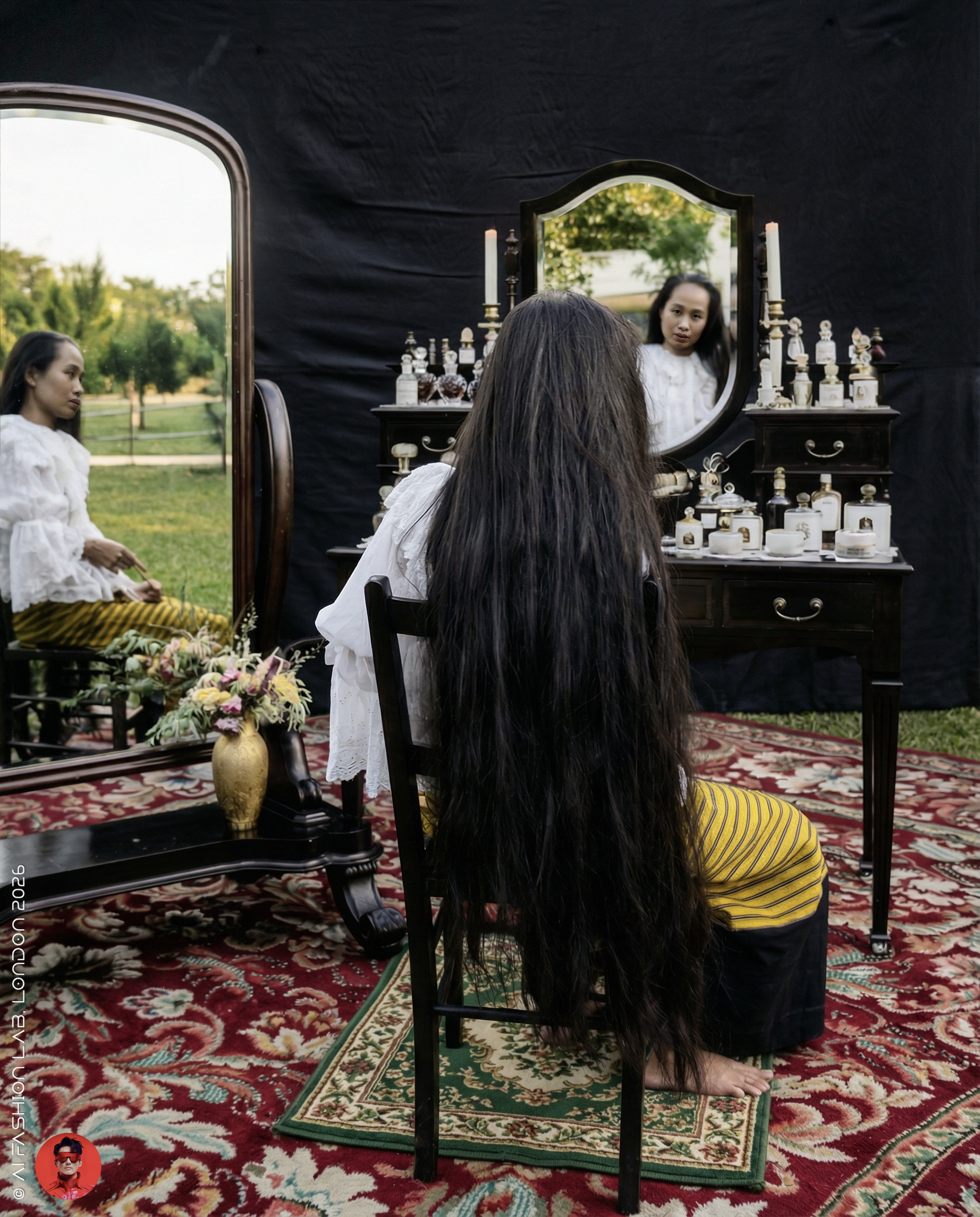
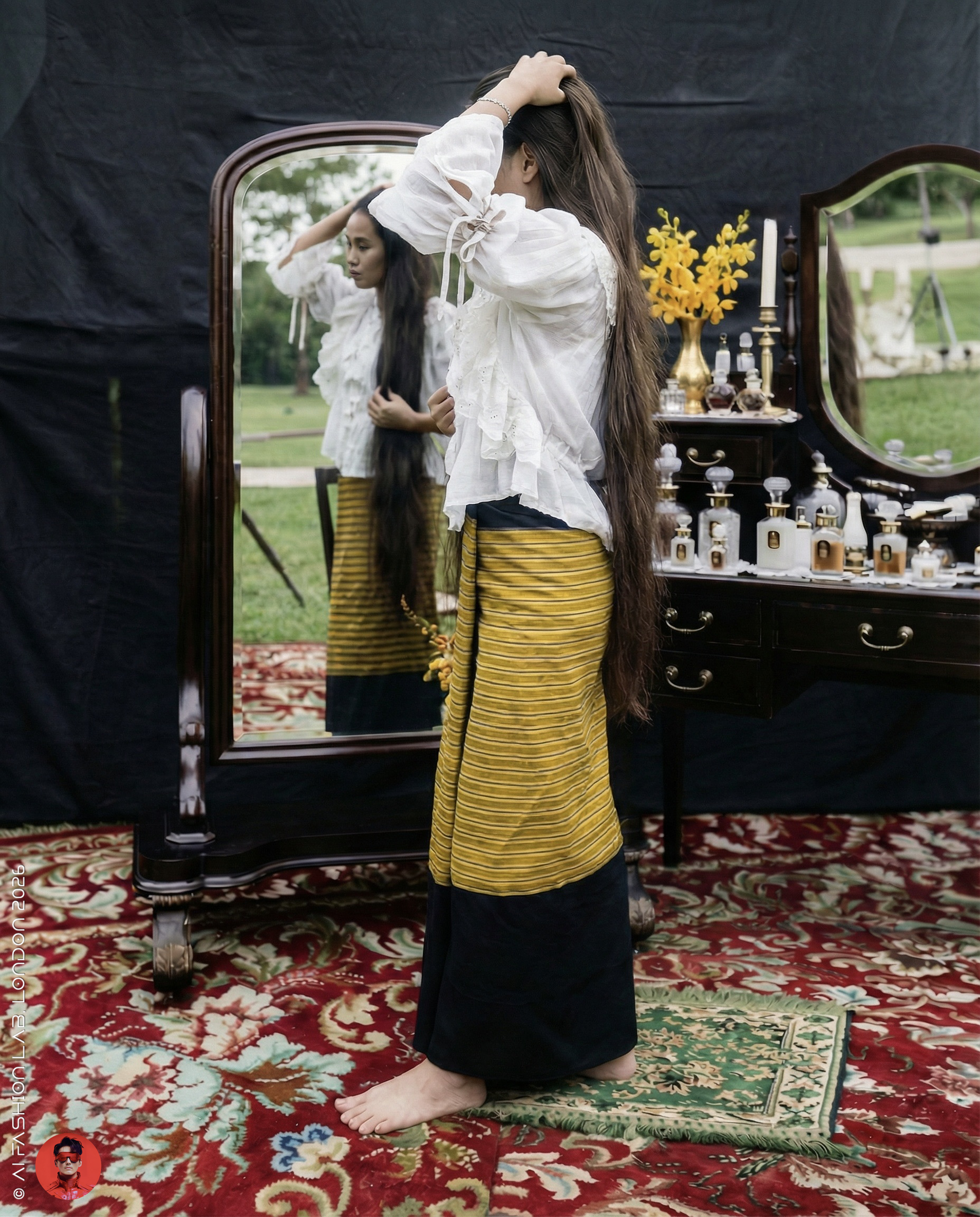
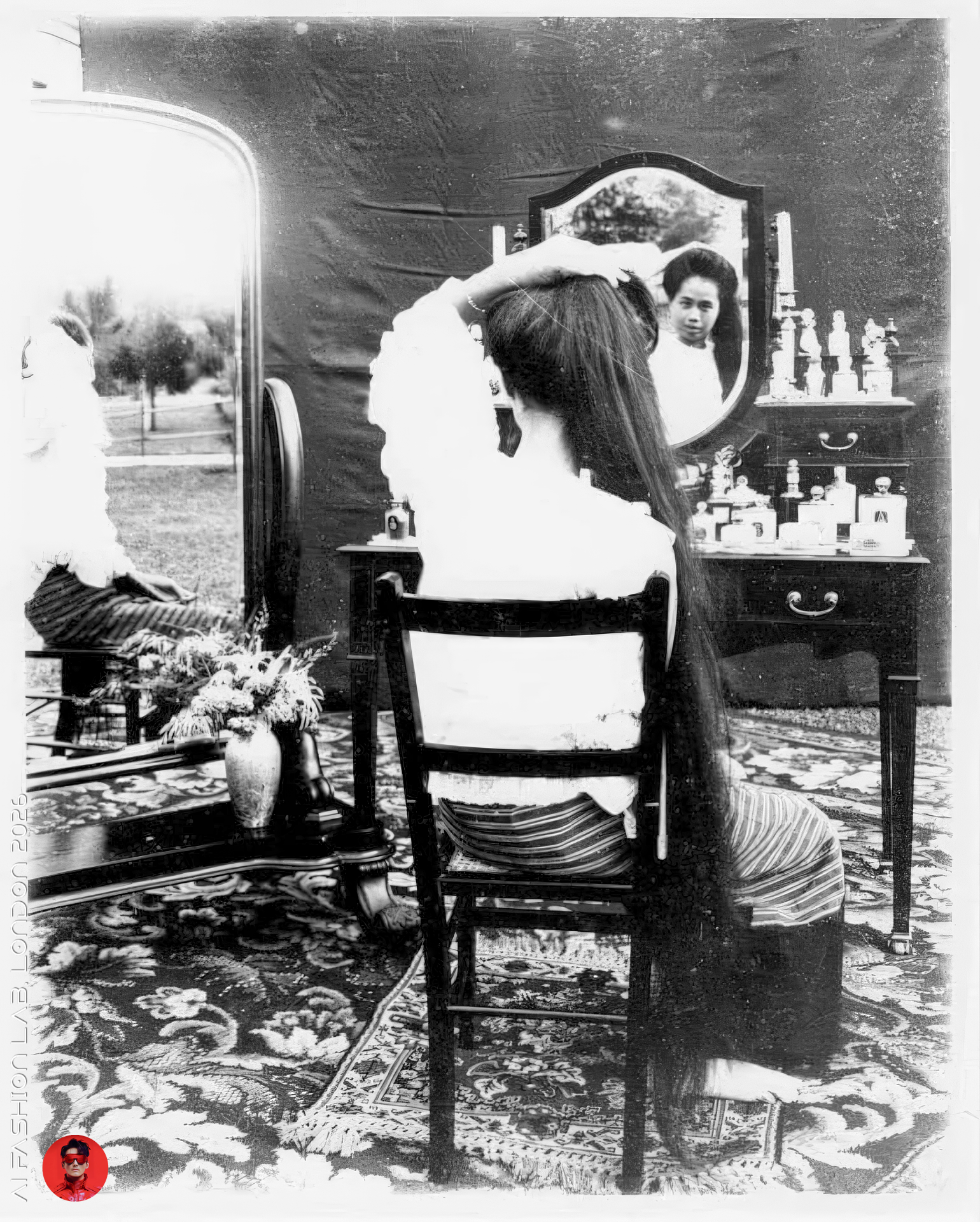
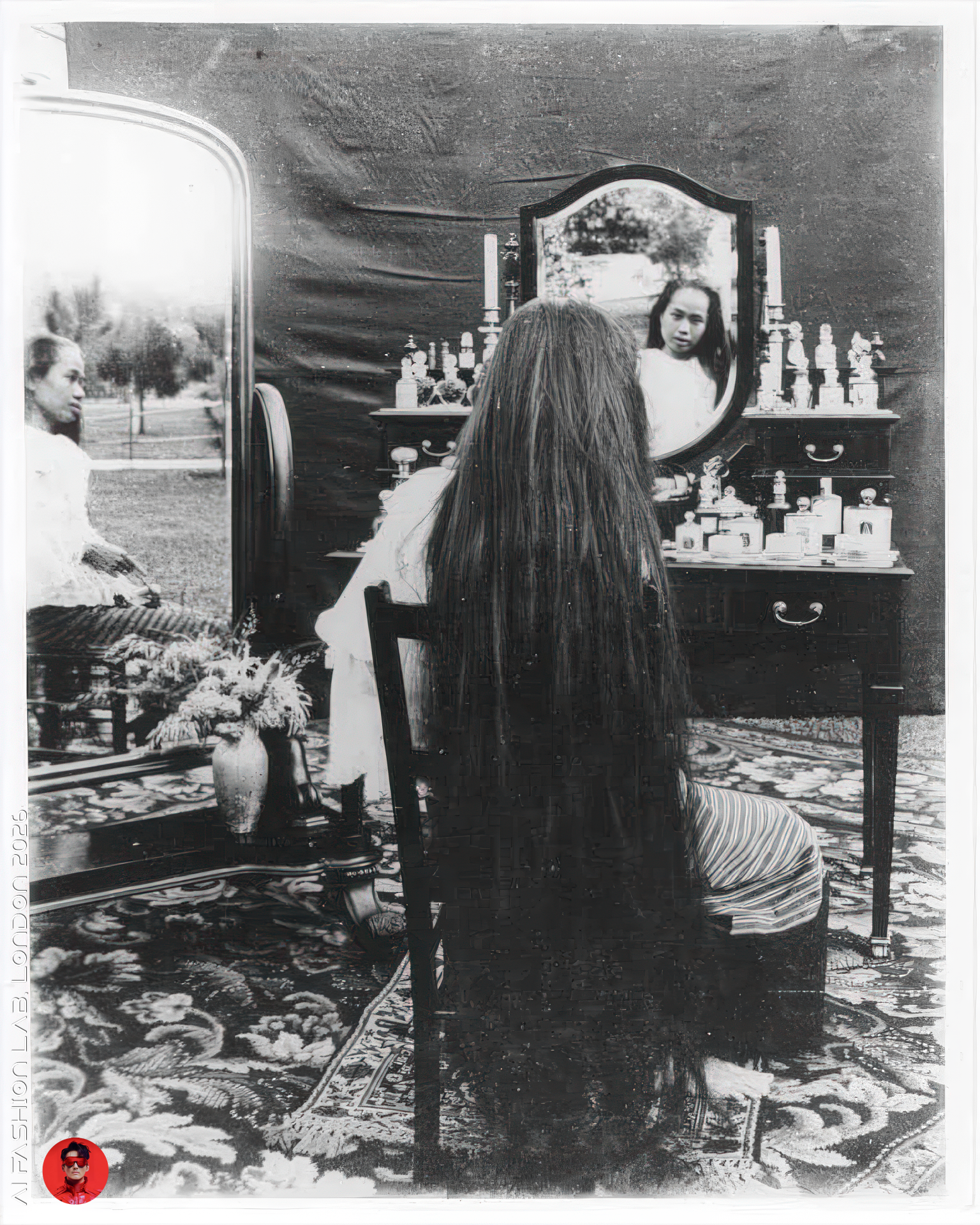
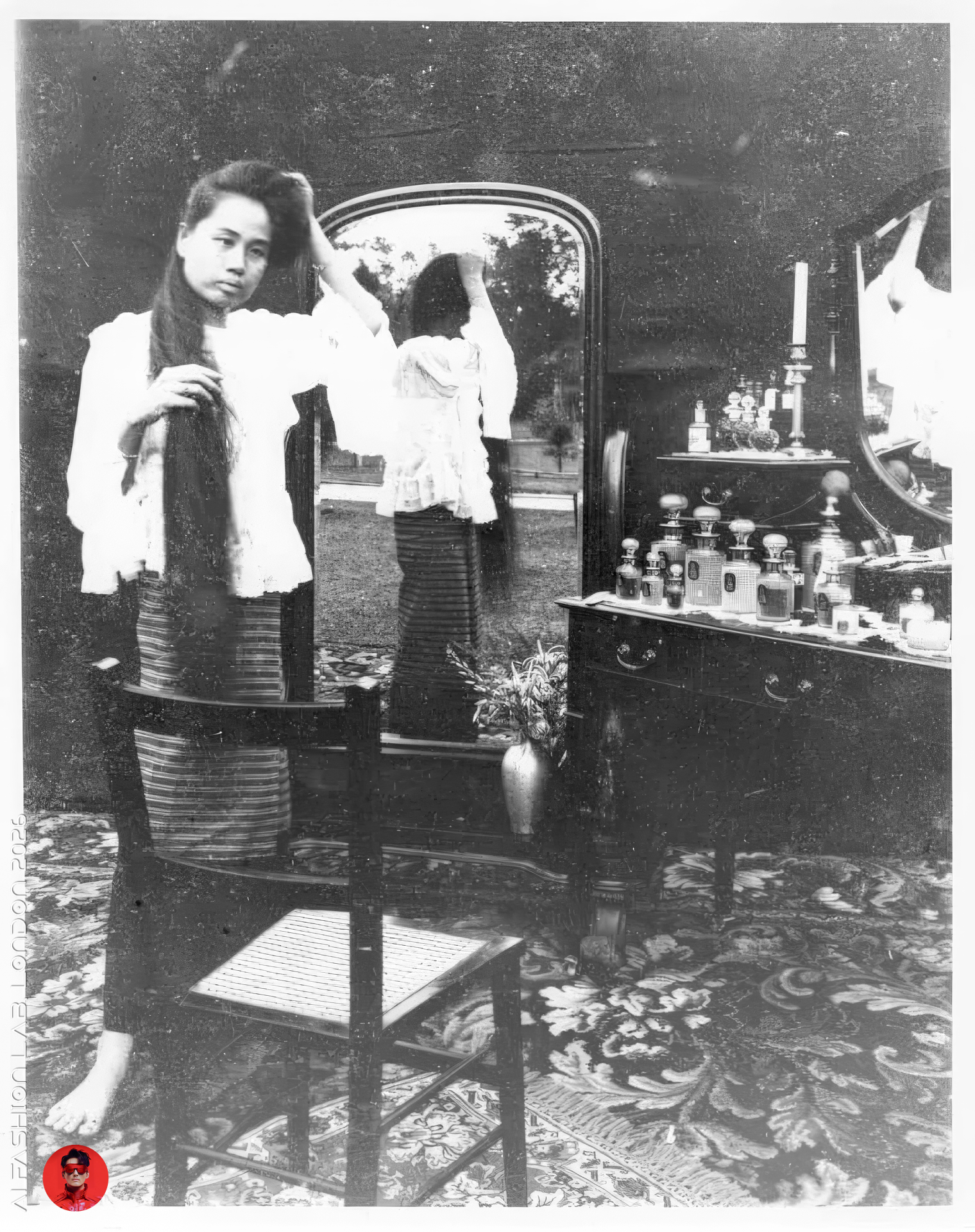
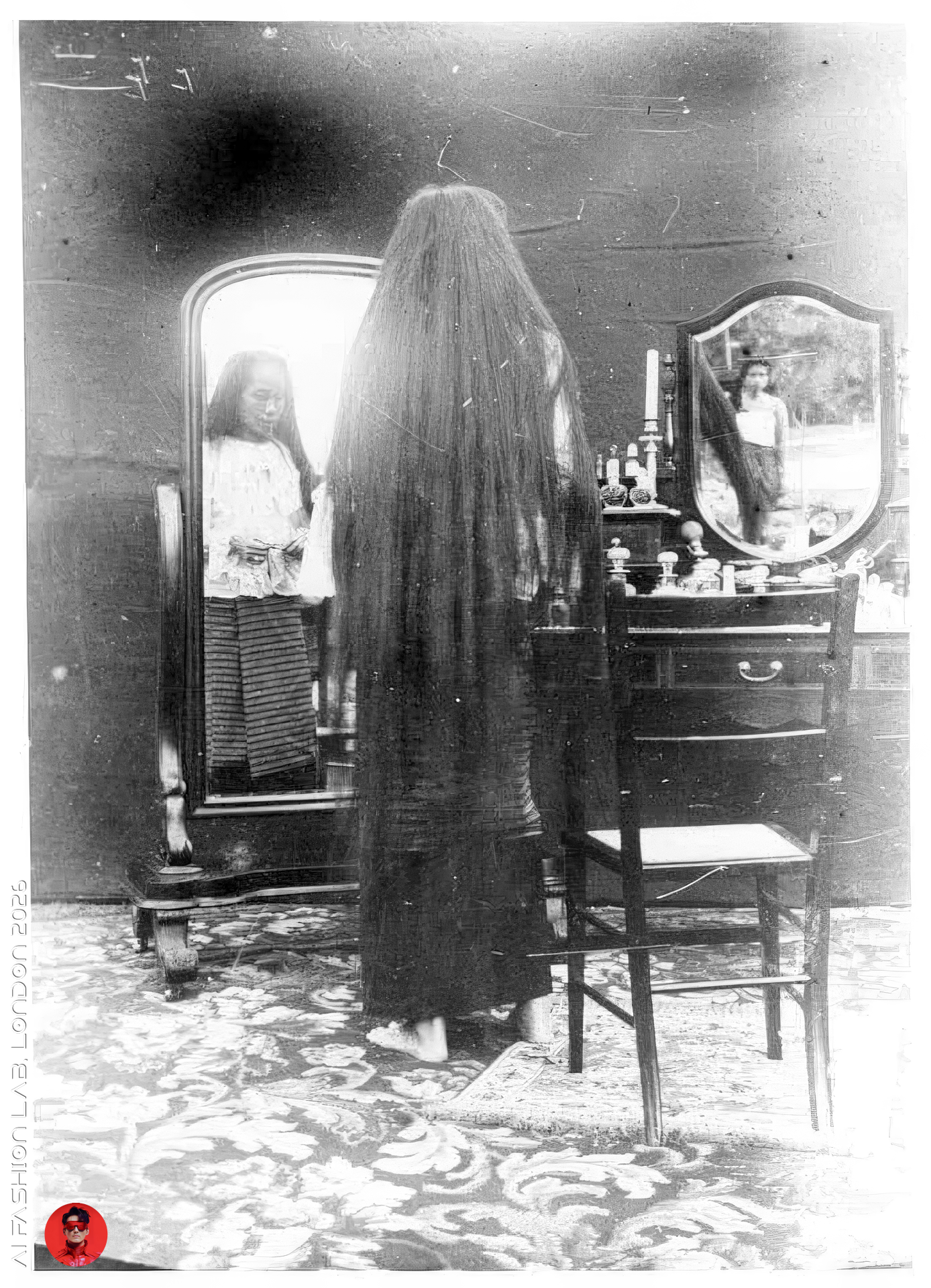
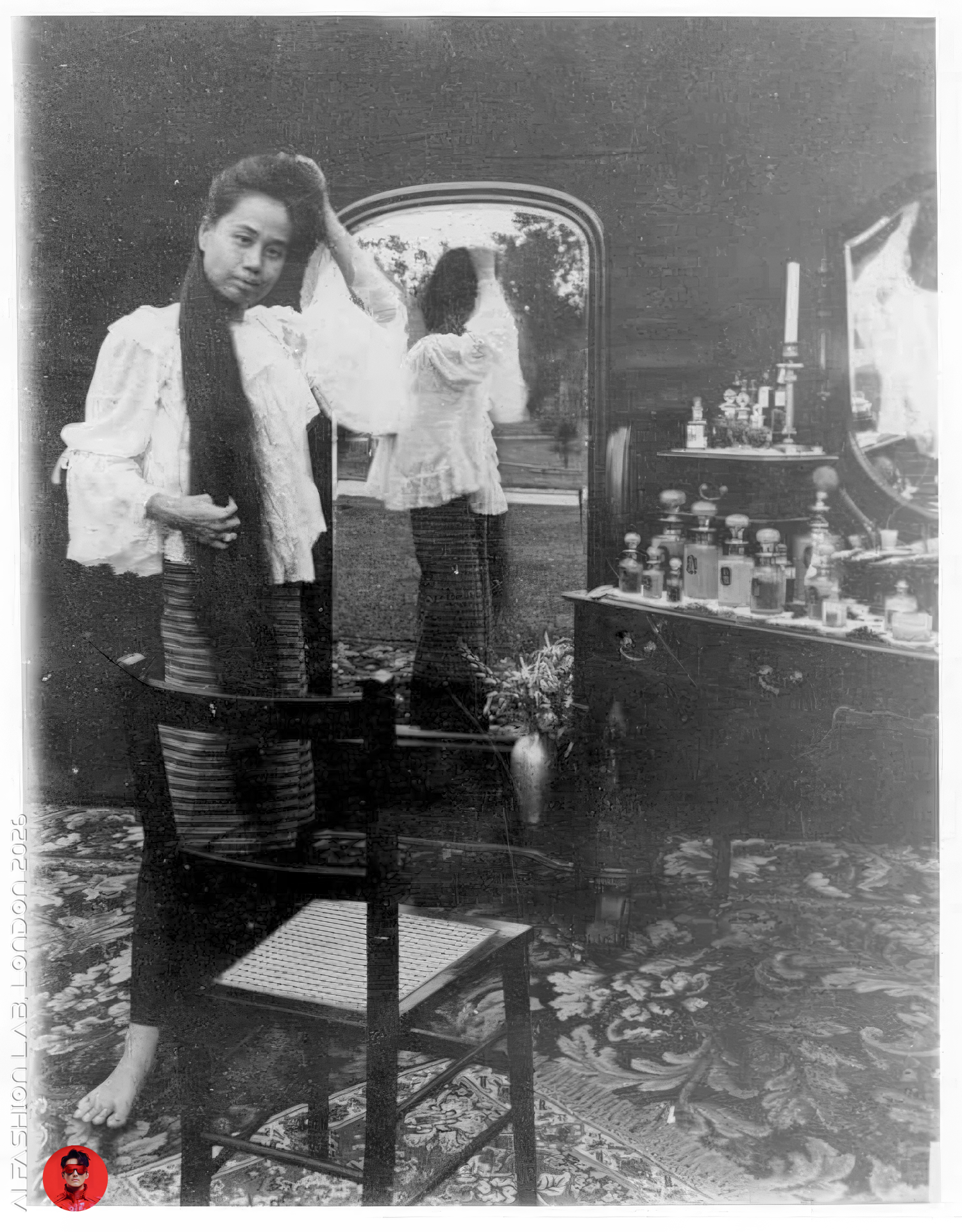
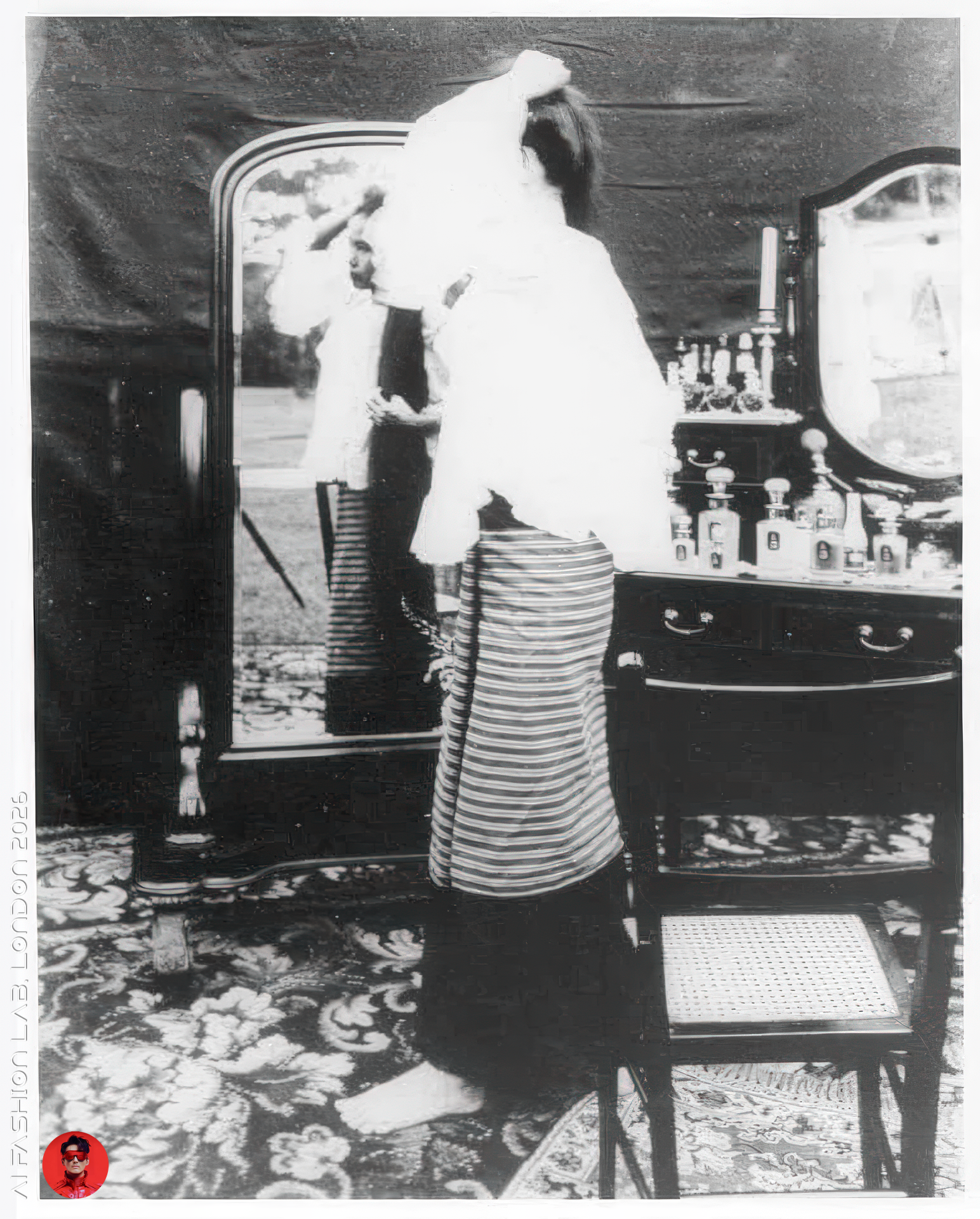
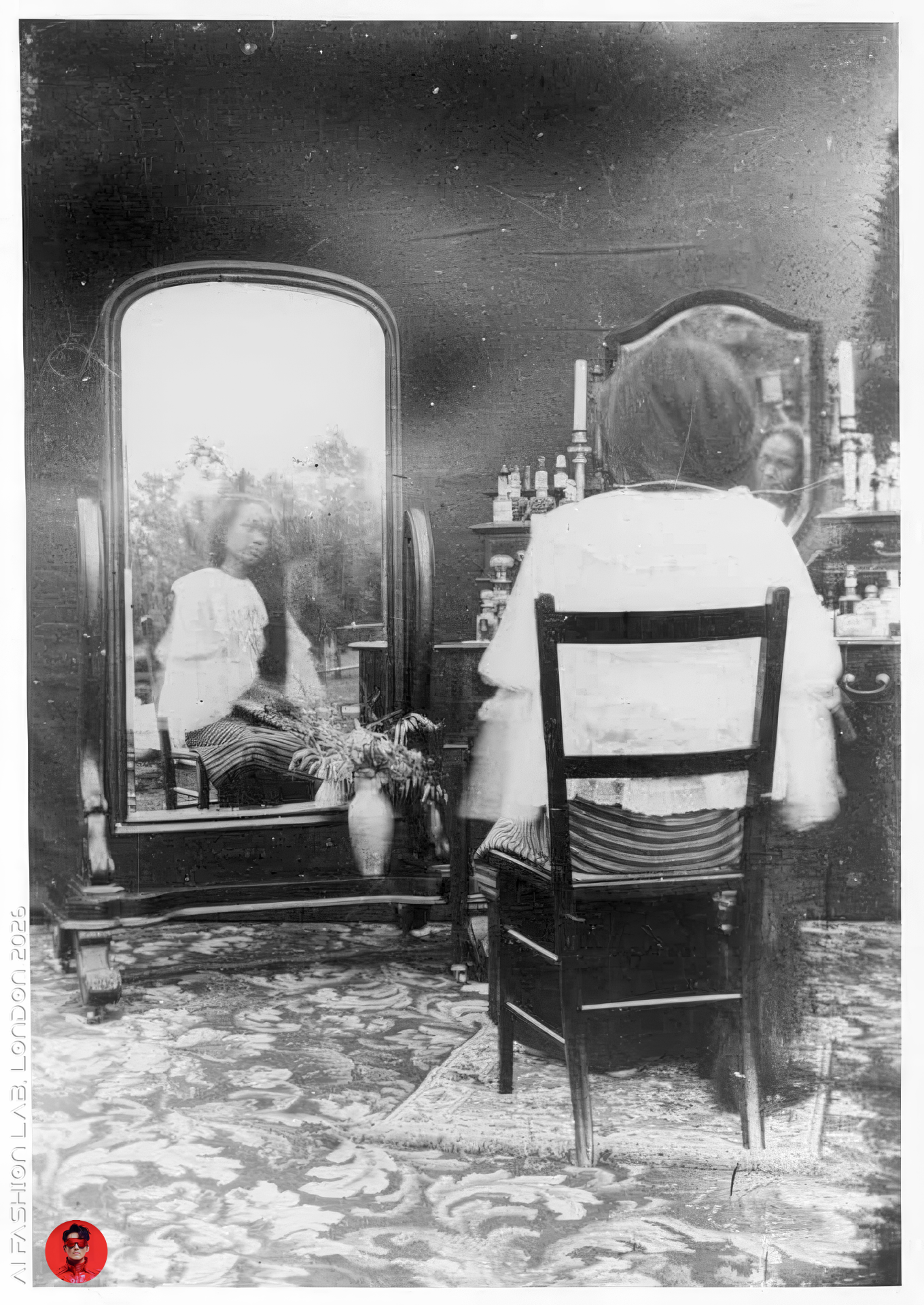
ภาพที่ได้รับการบูรณะและสร้างสรรค์ด้วยเทคโนโลยี AI นี้ คือพระรูปของพระราชชายา เจ้าดารารัศมี ณ พระที่นั่งวิมานเมฆ (พ.ศ. ๒๔๔๘) จากภาพถ่ายต้นฉบับโดยเจ้าจอมเอิบ บุนนาค
คอลเลกชันนี้เป็นการนำพระรูปชุดดังกล่าวที่เคยจัดทำไว้เมื่อปี 2024 มาปรับปรุงใหม่ เนื่องจากเทคโนโลยีได้พัฒนาไปอย่างมาก ในปี 2024 AI ยังไม่มีโมเดลแบบ editor suite เช่น Nano Banana, Flux, Seedream, Gwen หรือ Grok มีเพียงเว็บไซต์ลงสีภาพอย่าง Pallette ซึ่งการใช้งานค่อนข้างยุ่งยาก และไม่สามารถลงสีได้อย่างละเอียด เนื่องจากระบบการลงสีใช้แพตเทิร์นเดียวกันทั้งหมด
ผลงานชุดนี้เป็นการต่อยอดจากคอลเลกชันที่ผมเคยสร้างสรรค์เมื่อปีที่ผ่านมา อย่างไรก็ตาม ด้วยความก้าวหน้าของเทคโนโลยี AI ในปัจจุบัน ผลงานชุดใหม่นี้จึงมีความคมชัด ละเอียด และมีมิติของแสงและสีที่สมจริงยิ่งขึ้น การใช้เทคนิคการลงสีและบูรณะในระดับความละเอียดสูง ทำให้ทุกท่านสามารถสัมผัสภาพถ่ายเก่าเหล่านี้ได้อย่างคมชัด ราวกับเป็นภาพร่วมสมัย
กระนั้นก็ตาม ผลงานเหล่านี้มิใช่เพียงการจำลองทางเทคนิค หากแต่เป็นการตีความเชิงศิลปะอย่างจงใจ ภาพต้นฉบับมีลักษณะพระพักตร์ที่หลากหลายแตกต่างกัน ผมจึงเลือกใช้แบบพระพักตร์เดียวกันในทุกภาพ เพื่อให้เกิดความต่อเนื่องทางอารมณ์และการสื่อความรู้สึกของพระราชชายาอย่างเป็นเอกภาพ อันสะท้อนถึงพระจริยวัตร ความสง่างาม และความเงียบขรึมของพระองค์ในฐานะสตรีผู้เป็นสะพานเชื่อมระหว่างสองวัฒนธรรม
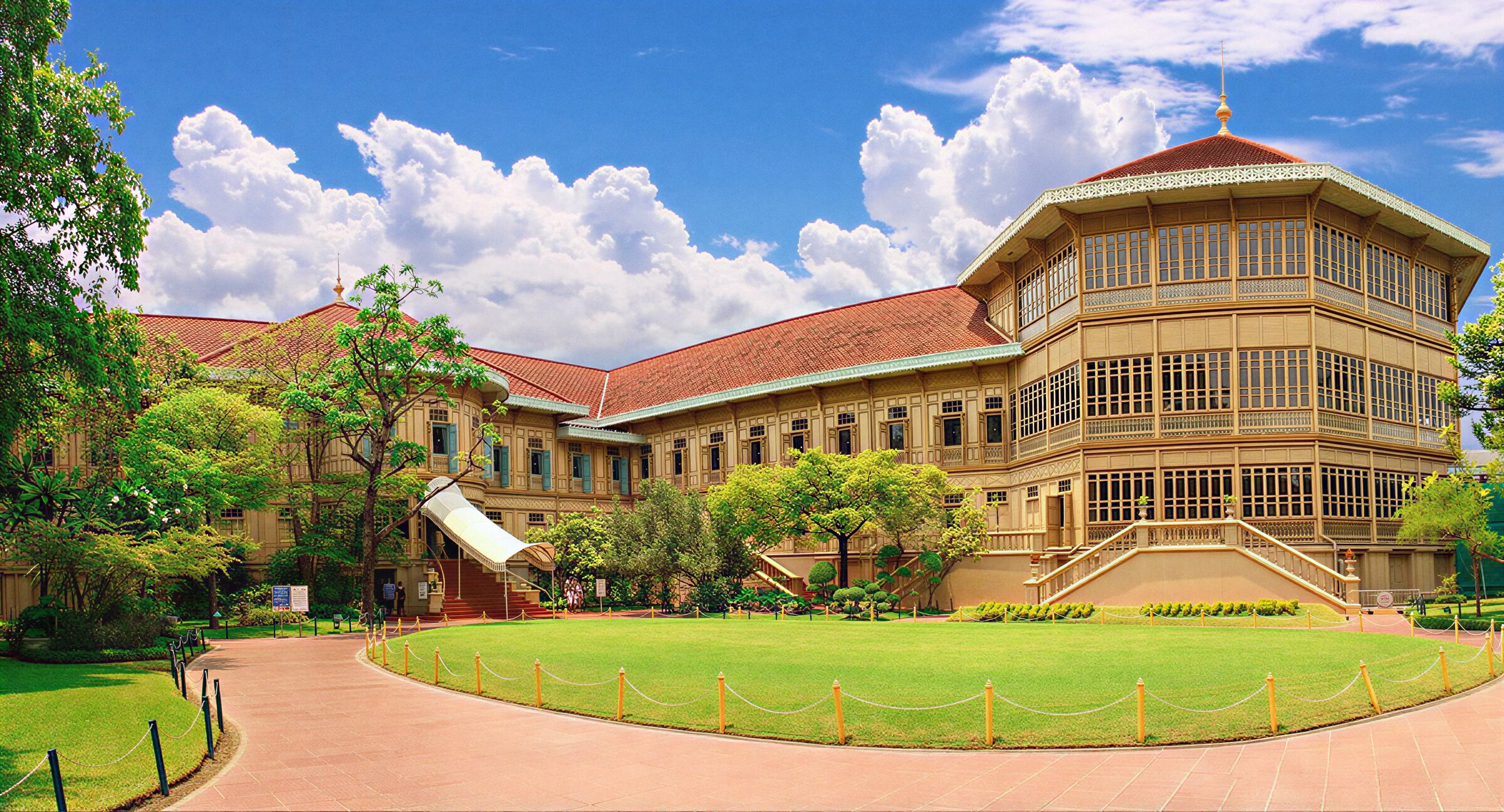
ผลงานชุดนี้ประกอบด้วยพระรูปจำนวน ๘ ภาพ ซึ่งถ่ายไว้เมื่อ พ.ศ. ๒๔๔๘ ณ พระที่นั่งวิมานเมฆ พระราชวังดุสิต กรุงเทพมหานคร โดยฝีมือของเจ้าจอมเอิบ บุนนาค ในสมัยรัชกาลที่ ๕ ตอนปลาย เจ้าจอมเอิบเป็นสตรีเพียงไม่กี่คนที่มีบทบาทในด้านการถ่ายภาพ ในยุคที่วิชาชีพช่างภาพส่วนมากเป็นผู้ชาย ภาพถ่ายของเจ้าจอมเอิบจึงเป็นทั้งผลงานศิลปะและหลักฐานทางประวัติศาสตร์ ที่บันทึกภาพสตรีในราชสำนักด้วยสายตาและมุมมองที่แตกต่างจากช่างภาพผู้ชาย
การถ่ายภาพในครั้งนั้นจัดฉากกลางแจ้งให้คล้ายกับห้องแต่งตัวแบบตะวันตกในยุควิกตอเรีย ประกอบด้วยโต๊ะเครื่องแป้ง กระจกเงา และพรม ซึ่งสะท้อนแนวคิดแบบ “สตูดิโอจำลอง” ตามแบบฉบับภาพถ่ายชั้นสูงในปลายคริสต์ศตวรรษที่ ๑๙ ที่นิยมสร้างฉาก “ห้องส่วนตัวของสตรี” (lady’s boudoir) เพื่อแสดงภาพผู้หญิงในห้วงขณะอันเป็นส่วนตัวและงดงาม ภาพที่เจ้าดารารัศมีทรงปล่อยพระเกศายาวในบริบทเช่นนี้ จึงมีความหมายเชิงสัญลักษณ์หลายระดับ ทั้งความเป็นอิสตรี ความสงบ และความงดงาม รวมไปถึงความภาคภูมิใจในอัตลักษณ์ชาติพันธุ์ล้านนา โดยเฉพาะอย่างยิ่งเมื่อพิจารณาว่าในภาษาทางศิลปะของภาพถ่ายวิกตอเรีย “เส้นผม” มักถูกตีความเป็นสัญลักษณ์ของความงาม ความทรงจำ และอัตลักษณ์เฉพาะตน
ในพระรูปชุดนี้ เจ้าดารารัศมีทรงฉลองพระองค์แบบผสมผสานระหว่างตะวันตกและล้านนา โดยทรงสวมเสื้อแบบตะวันตกจับคู่กับซิ่นต๋า ซึ่งเป็นผ้าซิ่นพื้นเมืองของเชียงใหม่และล้านนา มีลายริ้วแนวนอนอันเป็นเอกลักษณ์ของภูมิปัญญาช่างทอท้องถิ่น การเลือกใช้ซิ่นต๋าผืนเรียบแทนซิ่นตีนจก ซึ่งมักมีลวดลายวิจิตรและสะท้อนความเป็นทางการ แสดงถึงบริบทส่วนพระองค์ในฉากจำลองห้องแต่งตัวที่เป็นกันเองและสงบเงียบ
ในแง่มุมของการสร้างสรรค์ผ้าซิ่น ผมเลือกให้ซิ่นต๋าเป็นซิ่นสีเหลืองสลับดำ หรือที่เรียกว่า “ซิ่นต๋ามะนาว” เพื่อสะท้อนถึงความนิยมของซิ่นชนิดนี้ในล้านนา
ซิ่นต๋ามะนาวมีลักษณะเป็นผ้าซิ่นที่ต่อเอว (หัวซิ่น) และตีนซิ่นด้วยสีดำ ตัวซิ่นเป็นสีเหลือง มีก่านดำเป็นริ้วเล็ก สีเหลืองของซิ่นต๋ามะนาว ได้แก่ สีเหลืองเอื้องผึ้ง สีเหลืองหมากสุก และสีเหลืองมะนาว คำว่า “ต๋ามะนาว” หมายถึงสีเหลือง เพราะความเชื่อที่เชื่อมโยงระหว่างมนุษย์กับดวงอาทิตย์ และความสัมพันธ์ระหว่างสีกับความเชื่อ ซึ่งสื่อถึงความรุ่งเรือง สีเหลืองในทัศคติของชาวล้านนาคือสีแห่งความรุ่งเรืองและความสว่างสดใส
ภาพพระราชชายาที่ทรงปล่อยพระเกศายาวในฉากห้องส่วนพระองค์นี้ จึงเป็นภาพที่หาได้ยากยิ่ง โดยเฉพาะเมื่อเปรียบเทียบกับพระรูปอื่นในช่วงเดียวกัน ซึ่งมักเห็นพระองค์ทรงเกล้าพระเกศาสูงแบบ Edwardian upswept หรือทรงผมแบบญี่ปุ่น (โซขุฮัตสึ) อันเป็นที่นิยมในสมัยรัชกาลที่ ๕
การได้เห็นพระองค์ทรงปล่อยพระเกศายาวเช่นนี้ในฉากหลังแบบห้องส่วนพระองค์ จึงมีนัยสำคัญหลายประการ ทั้งในแง่ความเป็นอิสตรี ความละมุนละไม และความเป็นส่วนตัว อีกทั้งยังสื่อถึงความเป็นเจ้าหญิงจากล้านนา ผู้เปี่ยมด้วยความภาคภูมิใจในอัตลักษณ์ และมิได้ละทิ้งรากวัฒนธรรมของตน
ในสายตาของผู้คนในกรุงเทพฯ เจ้าดารารัศมีทรงเป็น “เจ้าต่างเมือง” หรือ “เจ้าจากเชียงใหม่” ที่มีความงามแตกต่างออกไป ขณะสตรีในราชสำนักสยามตัดผมสั้นทรงดอกกระทุ่มและนุ่งโจงกระเบนตามกระแสพระราชนิยม เจ้าดารารัศมีกลับทรงเลือกสืบทอดขนบล้านนาโดยการไว้ผมยาวและนุ่งผ้าซิ่นตลอดพระชนม์ชีพ การแต่งพระองค์และบุคลิกที่เรียบขรึมของพระองค์อาจทำให้หลายคนมองว่า “แปลกแยก” หรือ “ลึกลับ” หากแท้จริงแล้ว ภาพเหล่านี้เผยให้เห็นถึงหญิงสาวผู้เปี่ยมด้วยความมั่นคงทางจิตใจ และหยัดยืนบนรากวัฒนธรรมของตนอย่างแน่วแน่
การใช้กระจกและโต๊ะเครื่องแป้งในภาพ มิได้เป็นเพียงองค์ประกอบตกแต่ง แต่ยังสื่อถึงการ “สะท้อน” ทั้งในเชิงสัญลักษณ์และเชิงวัฒนธรรม ภาพเหล่านี้เชื้อเชิญให้ผู้ชมพินิจพระราชชายาในฐานะบุคคลผู้มีเจตจำนง มิใช่เพียงวัตถุแห่งการชื่นชมความงาม หากแต่เป็น “ตัวแทนแห่งล้านนา” ที่ทรงดำรงคุณค่าของตนไว้ท่ามกลางราชสำนักสยาม ซึ่งกำลังเคลื่อนไปตามแนวคิดสมัยใหม่
ด้วยการผสานเทคโนโลยี AI เข้ากับบริบททางประวัติศาสตร์และการออกแบบเชิงศิลป์ คอลเลกชันนี้จึงมิได้เป็นเพียงการอนุรักษ์ภาพถ่ายโบราณ หากยังเป็นการตีความใหม่ผ่านสายตาร่วมสมัย เพื่อเฉลิมพระเกียรติสตรีผู้มีบทบาทสำคัญในการเชื่อมโยงวัฒนธรรมล้านนาและสยามในช่วงหัวเลี้ยวหัวต่อของประวัติศาสตร์
______________
The Restoration of the Portraits of Princess Consort Dara Rasmi (พระราชชายา เจ้าดารารัศมี) at Vimanmek Palace (พระที่นั่งวิมานเมฆ) (1905 / พ.ศ. ๒๔๔๘)
This AI-restored and reinterpreted image is a royal portrait of Princess Consort Dara Rasmi (พระราชชายา เจ้าดารารัศมี) at Vimanmek Palace (พระที่นั่งวิมานเมฆ), dating from 1905 (พ.ศ. ๒๔๔๘), based on the original photograph taken by Chao Chom Erb Bunnag (เจ้าจอมเอิบ บุนนาค).
This collection revisits a series I previously completed in 2024 and refines it using significantly more advanced technology. In 2024, AI had not yet developed editor-suite models such as Nano Banana, Flux, Seedream, Gwen, or Grok. At that time, only colourisation websites such as Pallette were available. Their workflows were cumbersome and incapable of achieving refined detail, as the colour application relied on a uniform pattern system.
This new body of work builds upon last year’s collection. However, due to the rapid advancement of AI technology, the present series achieves far greater sharpness, subtlety, and dimensional depth in light and colour. High-resolution restoration and colourisation techniques now allow viewers to experience these historical photographs with a clarity that feels almost contemporary.
Nevertheless, these works are not merely technical reconstructions. They are deliberate artistic interpretations. The original photographs present variations in facial structure and expression. I therefore chose to standardise the facial model across all images in order to create emotional continuity and visual coherence, reflecting the Princess Consort’s composure, dignity, and quiet reserve as a woman who served as a cultural bridge between two worlds.
This collection consists of eight portraits taken in 1905 (พ.ศ. ๒๔๔๘) at Vimanmek Palace (พระที่นั่งวิมานเมฆ), Dusit Palace (พระราชวังดุสิต), Bangkok (กรุงเทพมหานคร), during the later years of King Rama V (พระบาทสมเด็จพระจุลจอมเกล้าเจ้าอยู่หัว รัชกาลที่ ๕). They were photographed by Chao Chom Erb Bunnag (เจ้าจอมเอิบ บุนนาค), one of the very few women engaged in photography at a time when the profession was overwhelmingly male-dominated. Her photographs are therefore not only works of art but also historical documents, recording women of the Siamese (สยาม) court through a distinctly female perspective.
The photographs were staged outdoors to resemble a Western Victorian dressing room, complete with a dressing table, mirror, and carpet. This reflects the late nineteenth-century tradition of the “simulated studio” aesthetic in elite photography, in which scenes of a “lady’s boudoir” were constructed to portray women in intimate and refined private moments. In this context, Dara Rasmi’s long, unbound hair carries multiple symbolic meanings: femininity, serenity, beauty, and pride in her Lanna (ล้านนา) identity. In Victorian photographic language, hair was often interpreted as a symbol of beauty, memory, and individual identity.
In this series, Dara Rasmi wears attire that blends Western and Lanna (ล้านนา) elements. She pairs a Western-style blouse with a sin ta (ซิ่นต๋า), the traditional tubular skirt of Chiang Mai (เชียงใหม่) and Lanna, characterised by distinctive horizontal striping that reflects local weaving expertise. The choice of a plain sin ta rather than a more elaborate sin tin jok(ซิ่นตีนจก), which typically features intricate decorative bands and denotes formality, aligns with the intimate and tranquil atmosphere of the staged dressing-room setting.
In reconstructing the textile, I chose to render the sin ta in yellow and black, known as sin ta manao (ซิ่นต๋ามะนาว), reflecting the historical popularity of this style in Lanna.
The sin ta manao features a black waistband (hua sin / หัวซิ่น) and black hem, while the body of the skirt is yellow with fine black stripes. The yellow tones traditionally range from orchid yellow to ripe fruit yellow and lemon yellow. The term ta manao refers to lemon-yellow hues associated with solar symbolism. In Lanna belief systems, colour carries cosmological significance: yellow represents prosperity, radiance, and auspiciousness. It is the colour of brightness and flourishing life.
The image of the Princess Consort with her long hair released in this private interior setting is therefore exceptionally rare. In contrast to other portraits from the same period, where she is often seen wearing the Edwardian upswept hairstyle or the Japanese-inspired sokuhatsu (โซขุฮัตสึ) style popular during King Rama V’s reign, these images reveal a different aspect of her presence.
Seeing her with long, flowing hair against the backdrop of a private chamber carries layered meanings: femininity, gentleness, intimacy, and self-possession. It also affirms her identity as a Lanna princess who maintained pride in her cultural heritage without relinquishing it.
In the eyes of many in Bangkok, Dara Rasmi was regarded as a “princess from another city” — a woman from Chiang Mai whose beauty differed from prevailing Siamese court aesthetics. While court ladies in Siam adopted the short dok krathum hairstyle (ทรงดอกกระทุ่ม) and wore the chong kraben (โจงกระเบน) in accordance with royal fashion, Dara Rasmi chose to retain long hair and the Lanna sin throughout her life. Her reserved demeanour and distinctive attire may have appeared unfamiliar or even enigmatic to some. Yet these images reveal a woman of quiet strength, steadfast in her cultural roots.
The mirror and dressing table are not merely decorative elements. They symbolise reflection — both literal and metaphorical. These images invite viewers to regard the Princess Consort not as a passive object of admiration, but as an individual with agency. She stands as a representative of Lanna identity within a Siamese court that was rapidly modernising.
By integrating AI technology with historical context and artistic design, this collection is not simply an act of preservation. It is a contemporary reinterpretation — a tribute to a woman who played a vital role in connecting Lanna (ล้านนา) and Siam (สยาม) during a pivotal moment in history.
______________
เรียนเชิญกด Subscribe ได้ที่ลิงก์นี้ครับ เพื่อร่วมติดตามงานสร้างสรรค์ต้นฉบับ งานวิจัยประวัติศาสตร์แฟชั่น และผลงานอนุรักษ์มรดกวัฒนธรรมด้วยเทคโนโลยี AI ของ AI Fashion Lab, London ซึ่งมุ่งตีความอดีตผ่านมิติใหม่ของการบูรณะภาพ การสร้างสรรค์ภาพ และการเล่าเรื่องด้วยศิลปะเชิงดิจิทัล https://www.facebook.com/aifashionlab/subscribe?/
#aifashionlab#AI#aiartist#aiart#aifashion#aifashiondesign#aifashionstyling#aifashiondesigner#fashion#fashionhistory#historyoffashion#fashionstyling#fashionphotography#digitalfashion#digitalfashiondesign#digitalcostumedesign#digitaldesign#digitalaiart#ThaiFashionHistory#ThaiFashionAI#thailand #UNESCO