การเสด็จออกทรงพระผนวชในพระบวรพุทธศาสนา ของ พระบาทสมเด็จพระมหาภูมิพลอดุลยเดชมหาราช บรมนาถบพิตร
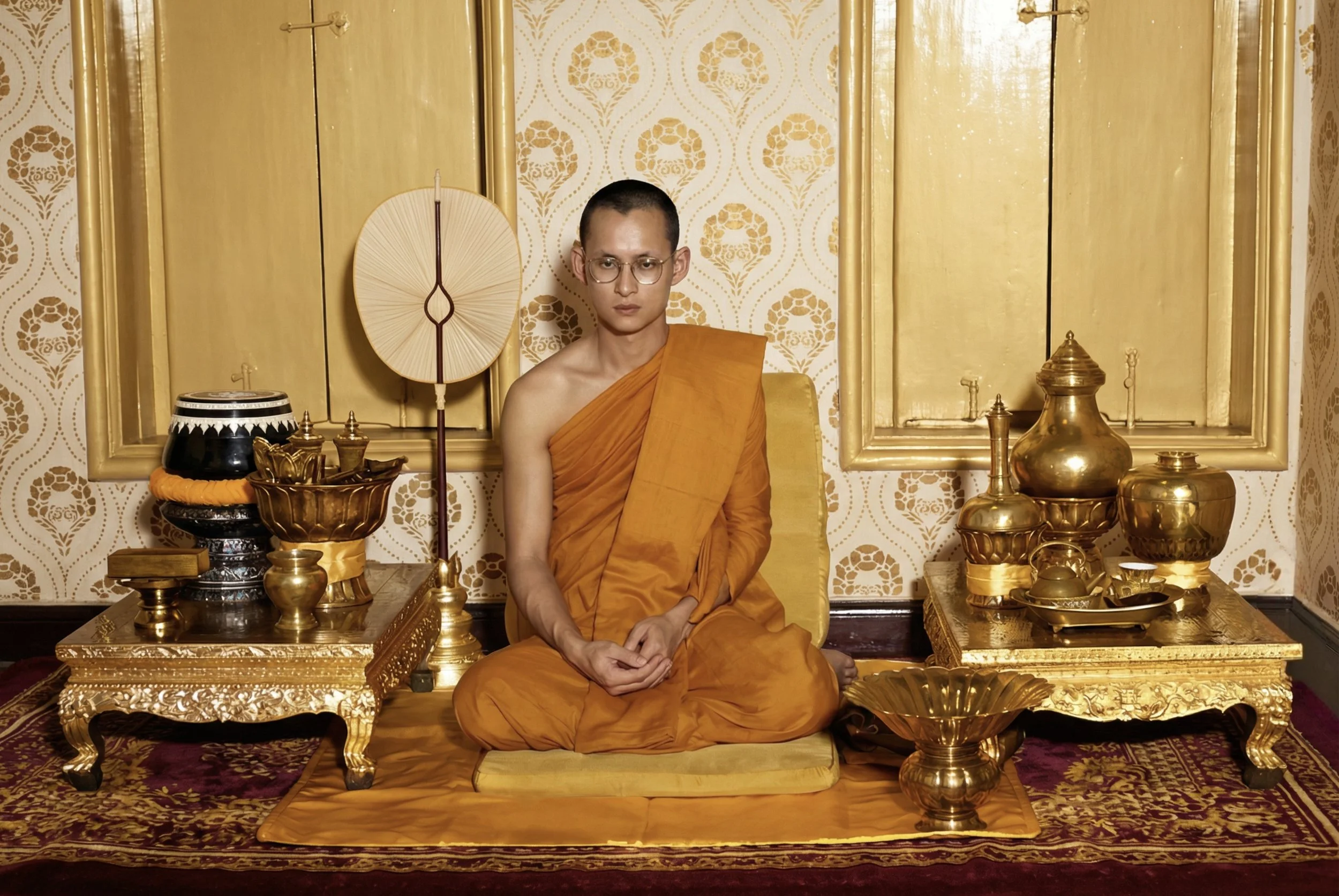
การเสด็จออกทรงพระผนวชในพระบวรพุทธศาสนา ของ พระบาทสมเด็จพระมหาภูมิพลอดุลยเดชมหาราช บรมนาถบพิตร
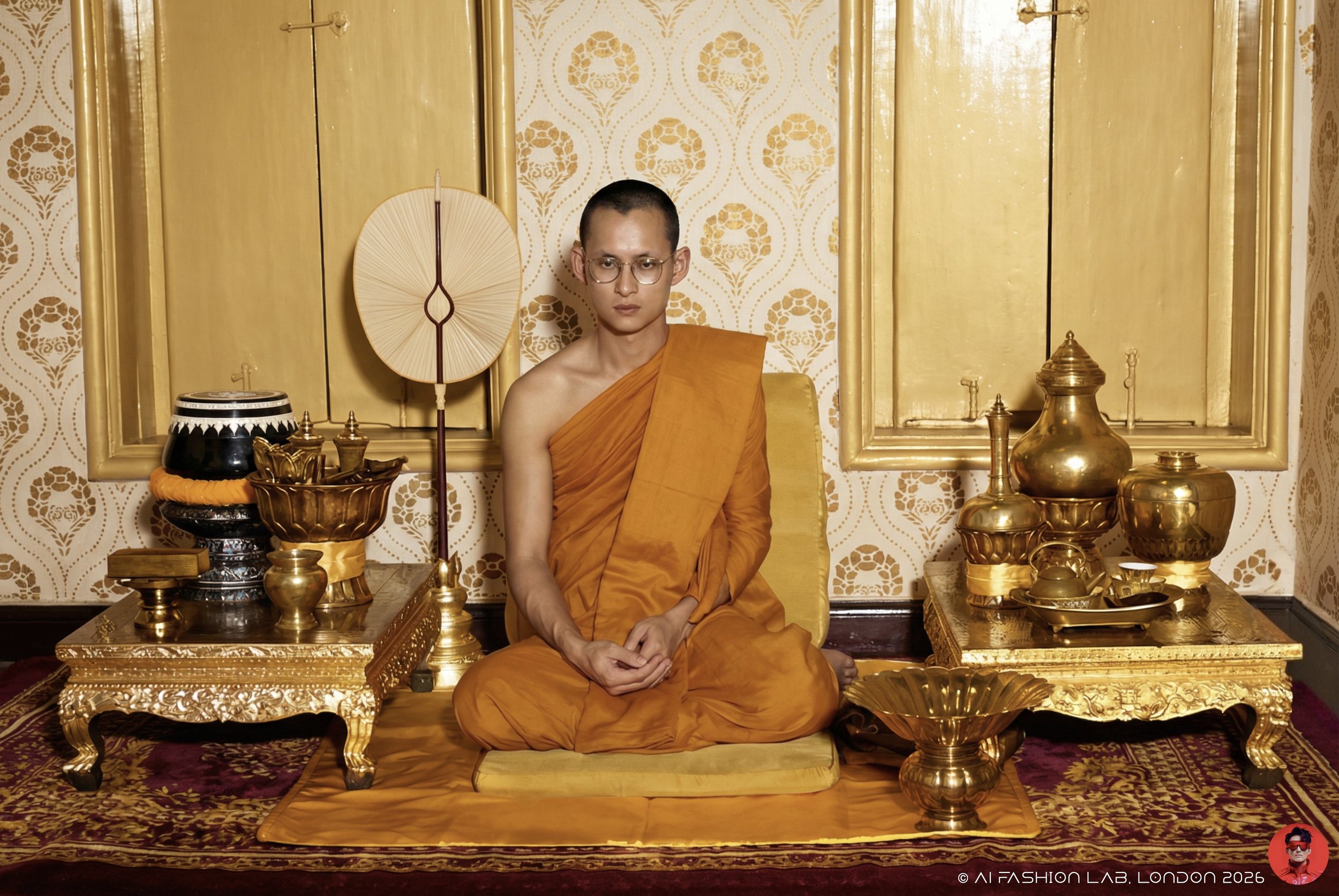
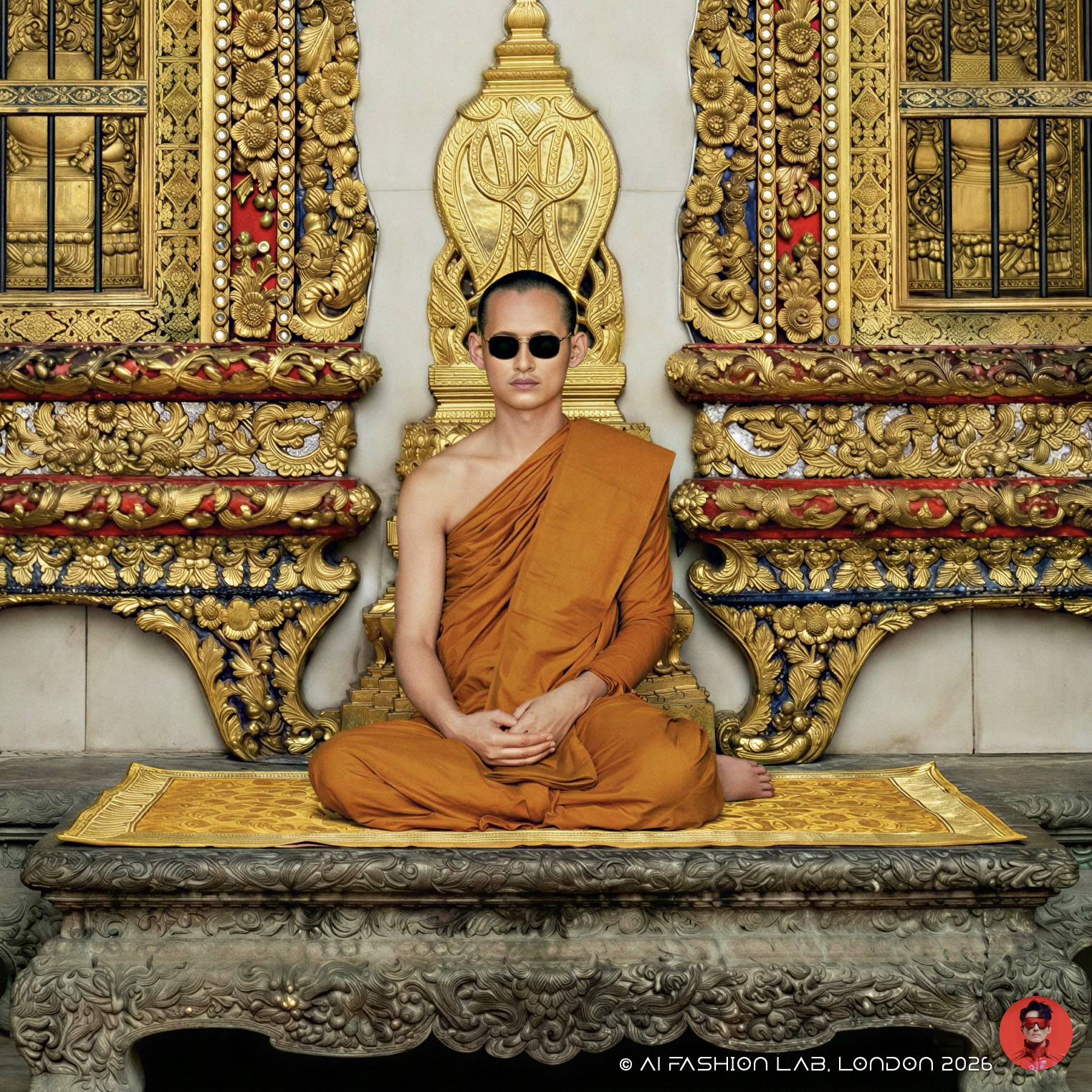
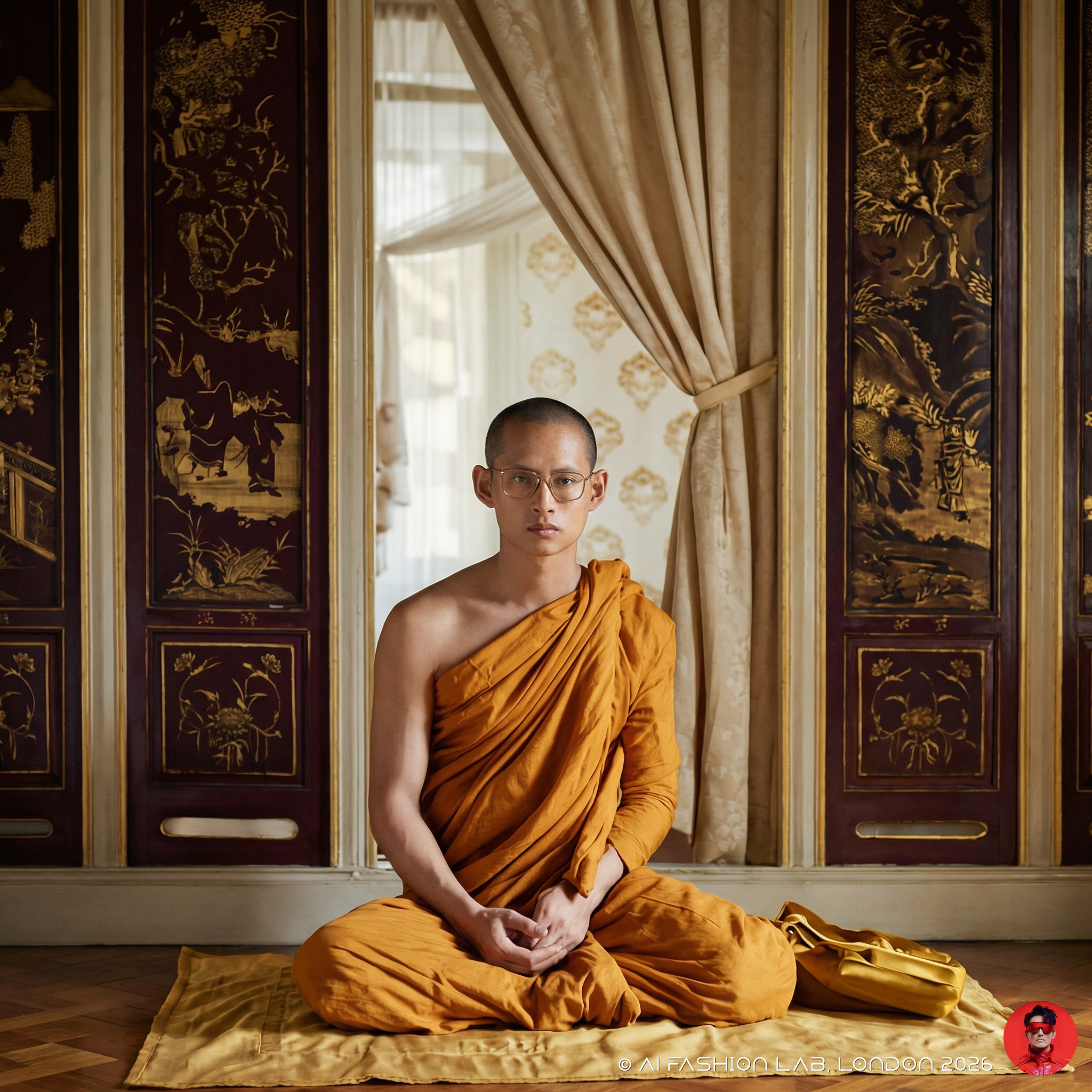
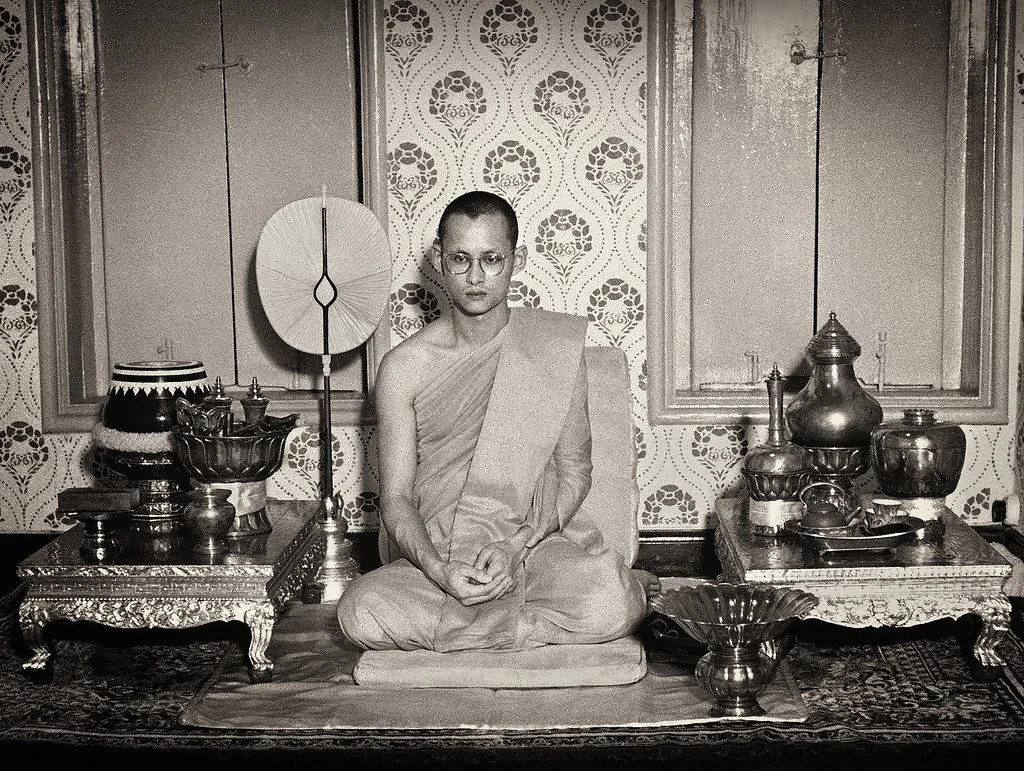
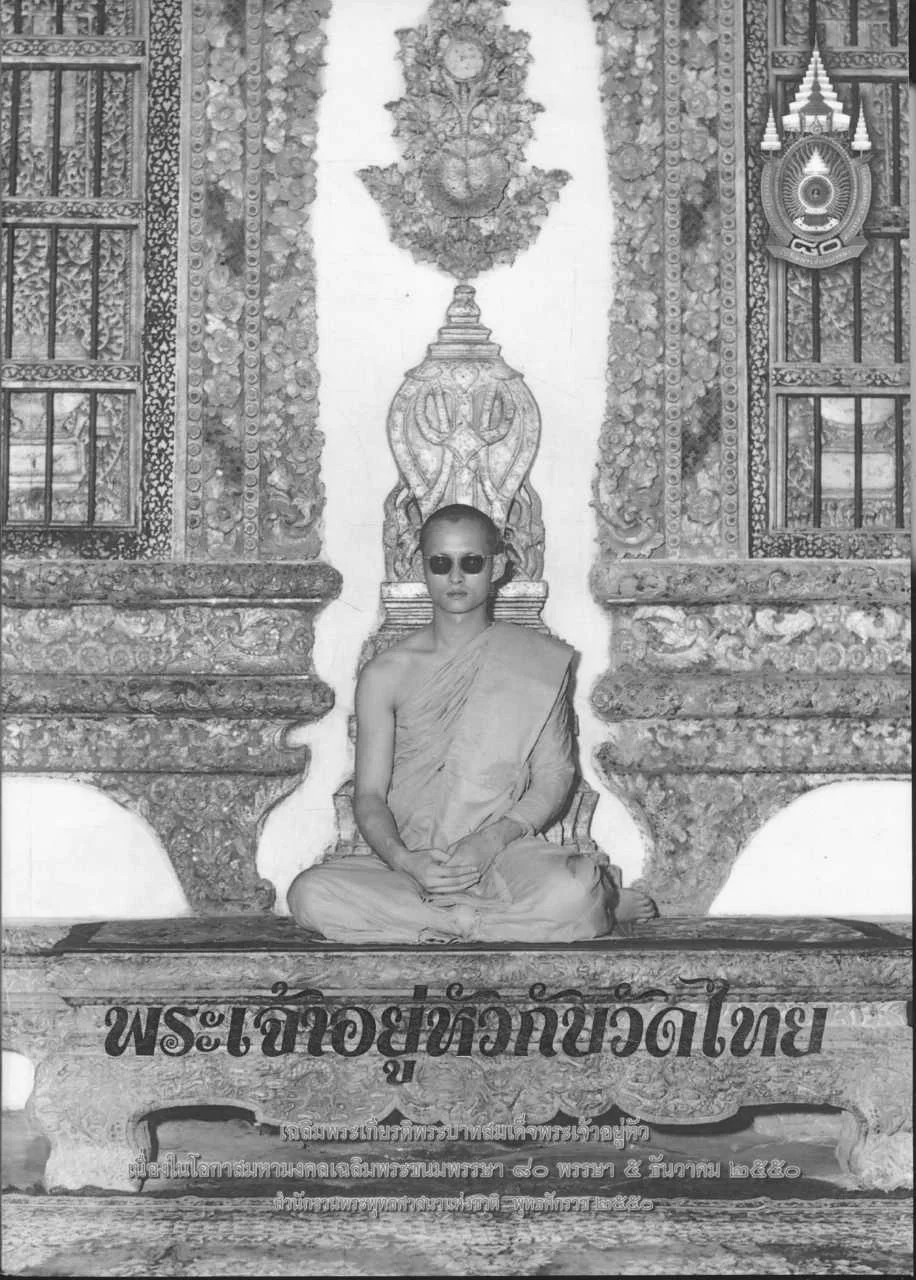
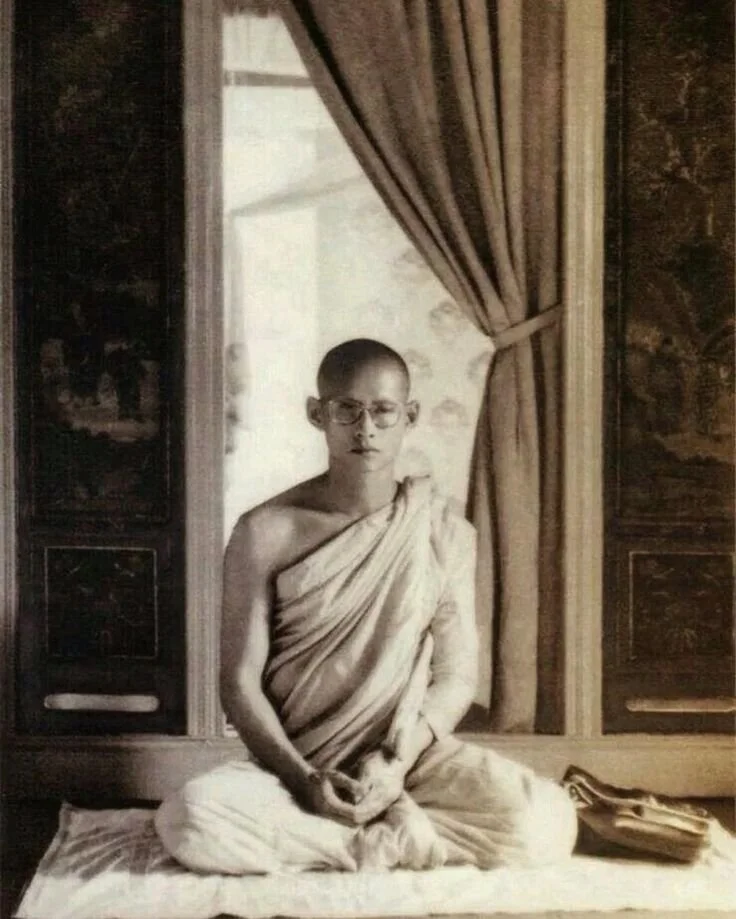
การเสด็จออกทรงพระผนวชของพระบาทสมเด็จพระมหาภูมิพลอดุลยเดชมหาราช บรมนาถบพิตร ในพุทธศักราช ๒๔๙๙ นั้น เป็นโอกาสที่สำคัญที่สุด โอกาสหนึ่งในประวัติศาสตร์ชาติไทย เป็นการแสดงออกถึงพระราชศรัทธาที่ทรงมีต่อพระพุทธศาสนา และความกตัญญูต่อสมเด็จพระบรมราชชนนี ถือได้ว่าเป็นเหตุการณ์ที่ยังคงความงดงามอยู่ในความทรงจำของผู้ที่ได้ร่วมอยู่ในเหตุการณ์ครั้งนั้นอย่างมาก กับทั้งยังเป็นเหตุการณ์ที่สำคัญในแง่ของประวัติศาสตร์ ขนบธรรมเนียมประเพณี และจารีตปฏิบัติในราชสำนัก พระบรมฉายาลักษณ์ที่ได้รับการบูรณะและสร้างสรรค์ด้วยเทคโนโลยี AI ชุดนี้ เป็นจดหมายเหตุที่สำคัญอย่างยิ่งของช่วงเวลาดังกล่าว
การเสด็จออกทรงพระผนวชของพระบาทสมเด็จพระมหาภูมิพลอดุลยเดชมหาราช ในพุทธศักราช ๒๔๙๙ นั้น ถือเป็นเรื่องสำคัญอย่างยิ่งที่ต้องจารึกไว้ในประวัติศาสตร์ชาติไทย ด้วยทรงพระผนวชขณะเสด็จเถลิงถวัลยราชสมบัติเป็นพระมหากษัตริย์แล้ว เฉกเช่นเดียวกับสมเด็จพระบรมอัยกาธิราช คือพระบาทสมเด็จพระจุลจอมเกล้าเจ้าอยู่หัว รัชกาลที่ ๕ ซึ่งมีเพียง ๒ พระองค์แห่งพระบรมราชจักรีวงศ์เท่านั้น ในขณะที่พระมหากษัตริย์พระองค์อื่น ล้วนแล้วแต่ได้ทรงบรรพชาอุปสมบทก่อนการเสด็จขึ้นครองสิริราชสมบัติทั้งสิ้น
เมื่อวันที่ ๑๘ ตุลาคม พ.ศ. ๒๔๙๙ พระบาทสมเด็จพระมหาภูมิพลอดุลยเดชมหาราช บรมนาถบพิตร ทรงเชิญพระบรมวงศานุวงศ์ ข้าทูลละอองธุลีพระบาท และคณะทูตานุทูต มาเข้าเฝ้าทูลละอองธุลีพระบาท ณ พระที่นั่งอมรินทรวินิจฉัย ในพระบรมมหาราชวัง เพื่อทรงแถลงพระราชดำริในการทรงผนวช อีกทั้งโปรดเกล้าโปรดกระหม่อมให้ราษฎรเฝ้าทูลละอองธุลีพระบาท หน้าพระที่นั่งสุทไธสวรรยปราสาท พระองค์ได้เสด็จออก ณ สีหบัญชร เพื่อมีพระราชดำรัสแก่ประชาราษฎร ความตอนหนึ่งว่า
“ข้าพเจ้ามีความยินดีที่ท่านทั้งปวงมาร่วมประชุมกัน ณ ที่นี้ ขอถือโอกาสแจ้งดำริที่จะบรรพชาอุปสมบทให้บรรดาอาณาประชาราษฎรทราบทั่วกัน”
พระราชดำรัสดังกล่าวมิได้เป็นเพียงถ้อยคำประกาศพระราชประสงค์ หากสะท้อนถึงความตั้งพระราชหฤทัยที่ทรงมุ่งมั่นจะทรงประพฤติปฏิบัติในพระธรรมวินัยด้วยพระองค์เอง
ในการนี้ รัฐบาลในขณะนั้นภายใต้การนำของจอมพล แปลก พิบูลสงคราม ได้กราบบังคมทูลขอรับพระราชภาระสนองพระเดชพระคุณในนามของรัฐบาลและประชาชน และพระองค์ได้ทรงพระกรุณาโปรดเกล้าฯ แต่งตั้ง สมเด็จพระนางเจ้าสิริกิติ์ พระบรมราชินีนาถ พระบรมราชชนนีพันปีหลวง ให้ทรงเป็นผู้สำเร็จราชการแทนพระองค์ โดยความเห็นชอบของสภาผู้แทนราษฎร ชุดที่ ๗
วันที่ ๒๒ ตุลาคม พ.ศ. ๒๔๙๙ เวลา ๑๔.๐๐ น. พระบาทสมเด็จพระบรมชนกาธิเบศร มหาภูมิพลอดุลยเดชมหาราช บรมนาถบพิตร และสมเด็จพระนางเจ้าสิริกิติ์ พระบรมราชินีนาถ พระบรมราชชนนีพันปีหลวง เสด็จพระราชดำเนินไปยังวัดพระศรีรัตนศาสดาราม ภายหลังจากทรงเจริญพระเกศา โดยสมเด็จพระศรีนครินทราบรมราชชนนี ทรงจรดพระกรรไกรบิดเปลื้องพระเกศาเป็นปฐมฤกษ์แล้ว ทรงเครื่องเศวตพัสตรีทรงจุดธูปเทียนบูชาพระพุทธมหามณีรัตนปฏิมากร พระสัมพุทธพรรณี และพระพุทธยอดฟ้าจุฬาโลก พระพุทธเลิศหล้านภาลัย ทรงรับผ้าไตรจากสมเด็จพระราชชนนีแล้วทรงเข้าบรรพชาอุปสมบท ในท่ามกลางสังฆสมาคม ซึ่งมีสมเด็จพระวชิรญาณวงศ์ สมเด็จพระสังฆราช เป็นประธาน เมื่อเสร็จพิธีแล้ว พระภิกษุพระบาทสมเด็จพระมหาภูมิพลอดุลยเดชมหาราช บรมนาถบพิตร ซึ่งทรงได้รับสมญานามจากพระราชอุปัชฌาจารย์ ว่า “ภูมิพโล” ในระหว่างที่ทรงดำรงสมณเพศ ทรงรับประเคนผ้าไตรจากสมเด็จพระบรมราชชนนีพันปีหลวงในฐานะผู้สำเร็จราชการแทนพระองค์ และทรงรับไทยธรรมจากสมเด็จพระบรมราชชนนี ตามลำดับ
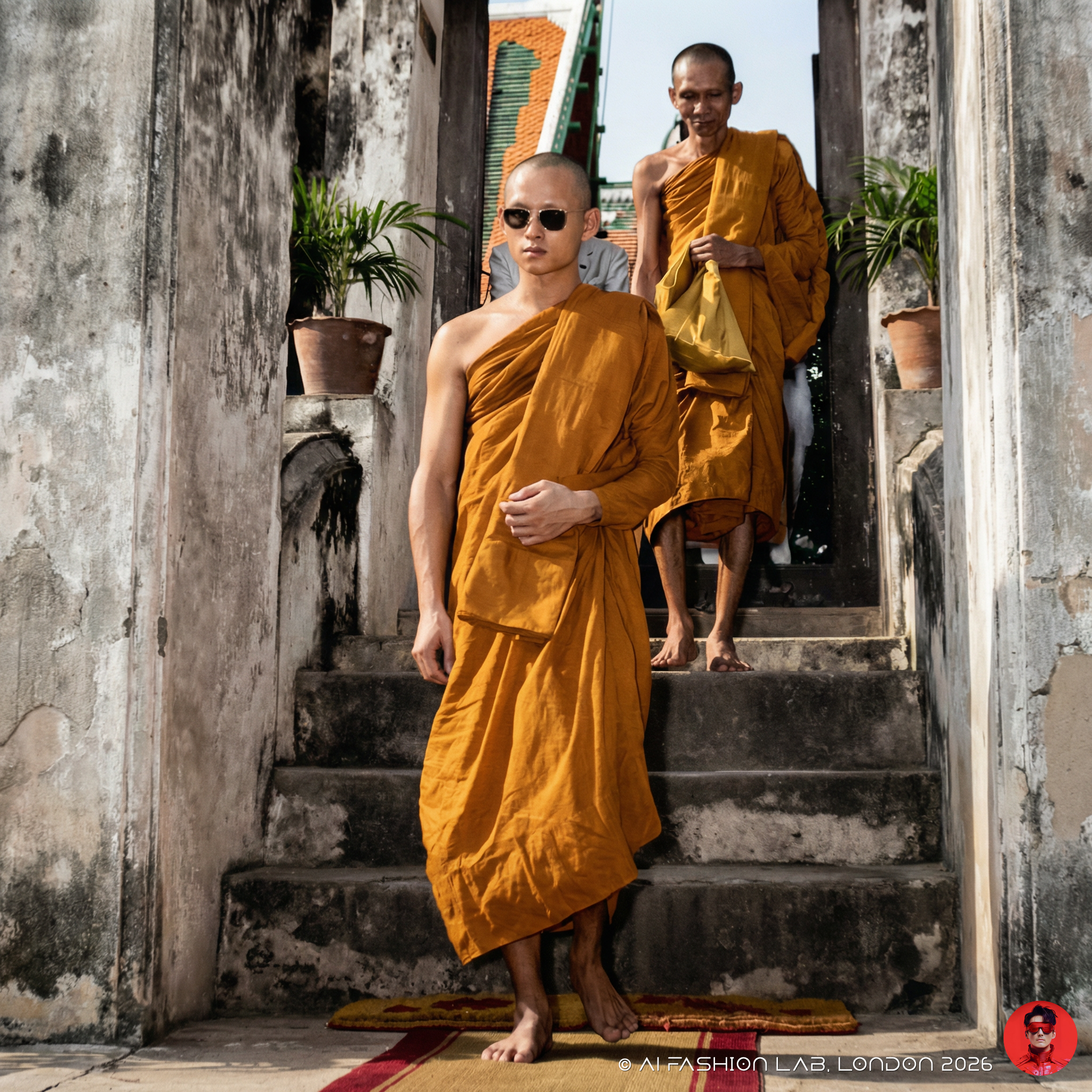
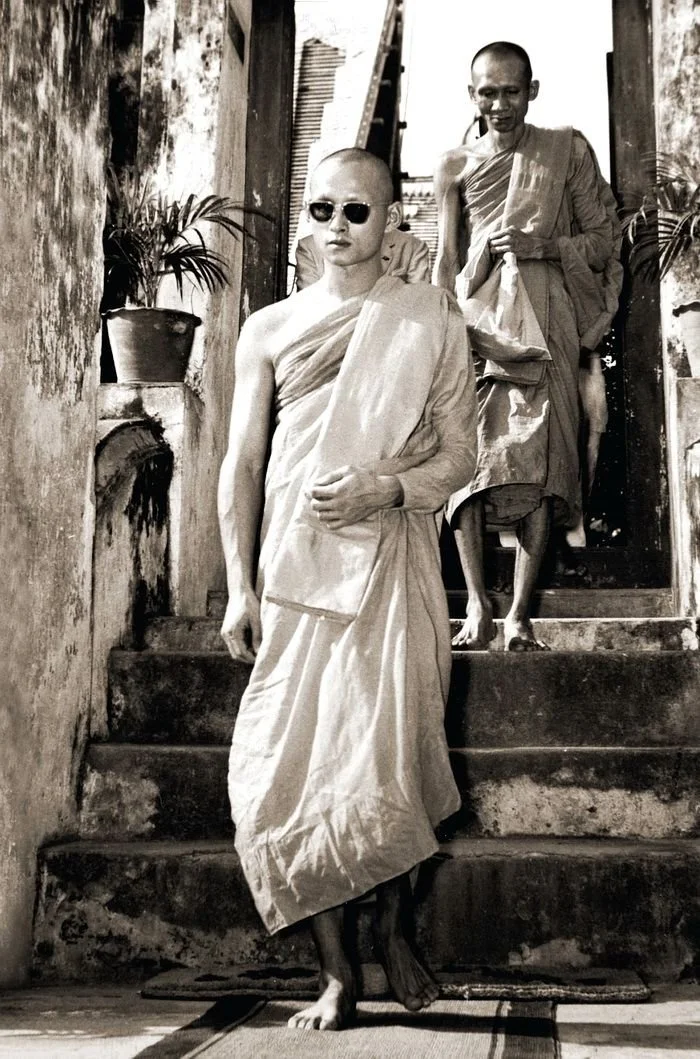
จากนั้น พระภิกษุพระบาทสมเด็จพระมหาภูมิพลอดุลยเดชมหาราช บรมนาถบพิตร เสด็จพระราชดำเนินไปทำทัฬหิกรรม ณ พระพุทธรัตนสถาน ในพระบรมมหาราชวัง โดยมีสมเด็จพระวชิรญาณวงศ์ สมเด็จพระสังฆราช เป็นพระอุปัชฌาย์ และพระศาสนโศภน (จวน อุฏฺฐายี) เป็นพระกรรมวาจาจารย์ จากนั้นทรงประกอบพิธีตามขัตติยราชประเพณี แล้วเสด็จฯ ไปประทับ ณ พระตำหนักปั้นหย่า วัดบวรนิเวศราชวรวิหาร เพื่อทรงจำพรรษา รวมระยะเวลาทรงผนวชทั้งสิ้น ๑๕ วัน ระหว่างวันที่ ๒๒ ตุลาคม ถึง ๕ พฤศจิกายน พ.ศ. ๒๔๙๙ ระหว่างที่ทรงดำรงสมณเพศ พระภิกษุพระบาทสมเด็จพระมหาภูมิพลอดุลยเดชมหาราช บรมนาถบพิตร ทรงปฏิบัติพระราชกิจเช่นเดียวกับพระภิกษุทั้งหลายอย่างเคร่งครัด เช่น เสด็จลงพระอุโบสถทรงทำวัตรเช้า–เย็น ตลอดจนทรงสดับพระธรรมและพระวินัย และเสด็จออกบิณฑบาตตามวิถีสงฆ์โดยเรียบง่าย
ในรุ่งเช้าของวันที่ ๔ พฤศจิกายน พ.ศ. ๒๔๙๙ ซึ่งเป็นวันที่ ๑๔ แห่งการเสด็จออกทรงพระผนวช ได้เสด็จฯ ออกบิณฑบาตโดยไม่มีหมายกำหนดการ เสด็จฯ ไปตามถนนย่านบางลำพูแล้วเสด็จฯ ประทับรถของสถานีวิทยุ อ.ส. ภายในบริเวณโรงเรียนวัดบวรนิเวศราชวรวิหาร ออกไปทางสะพานเฉลิมวันชาติ ผ่านหน้าวังสวนกุหลาบ ถนนราชวิถี ถนนพระรามที่ ๖ อ้อมไปทางสะพานควาย แล้วกลับมาทางถนนพหลโยธินและถนนพญาไท ทรงแวะรับบิณฑบาตที่บริเวณใกล้อนุสาวรีย์ชัยสมรภูมิ สี่แยกราชเทวี ถนนเพชรบุรี ชาวพุทธที่ตักบาตรกันตามปกติในเช้าวันนั้นต่างพากันรู้สึกตื่นเต้นและยินดีที่มีโอกาสตักบาตรแด่พระองค์ และเมื่อเสด็จฯ กลับถึงวัดบวรนิเวศราชวรวิหารแล้วยังมีผู้มารอถวายบิณฑบาตหน้าวัดอีกหลายคน
สมเด็จพระญาณสังวรฯ ได้ทรงเล่าว่า “…จากการที่ได้ปฏิบัติหน้าที่ดังกล่าวได้มีความรู้สึกว่าพระภิกษุพระบาทสมเด็จพระเจ้าอยู่หัวจะได้ทรงผนวชตามราชประเพณีอย่างเดียวเท่านั้นหามิได้ แต่ทรงผนวชด้วยพระราชศรัทธาที่ตั้งมั่นในพระพุทธศาสนาอย่างแท้จริง มิได้ทรงเป็นบุคคลจำพวกที่เรียกว่า “หัวใหม่” ไม่เห็นศาสนาเป็นสำคัญ แต่ได้ทรงเห็นคุณค่าของพระศาสนา ฉะนั้นถ้าเป็นบุคลคลธรรมดาสามัญก็กล่าวได้ว่า “บวชด้วยศรัทธา” เพราะทรงพระผนวชด้วยพระราชศรัทธา ประกอบด้วยพระปัญญา และได้ทรงปฏิบัติพระธรรมวินัยอย่างเคร่งครัด…”
สมเด็จพระญาณสังวรฯ ได้มีพระลิขิตลงวันที่ ๗ ตุลาคม พ.ศ. ๒๕๓๐ กล่าวถึงพระจริยวัตรของพระภิกษุพระบาทสมเด็จพระเจ้าอยู่หัวรัชกาลที่ ๙ ในขณะที่ทรงผนวช เนื่องในโอกาสที่พระองค์ทรงเจริญพระชนมพรรษาครบ ๖๐ พรรษา ความว่า... “สมเด็จพระบรมพิตรพระราชสมภารเจ้า พระบาทสมเด็จพระเจ้าอยู่หัวในระหว่างทรงผนวช ทรงบำเพ็ญเนกขัมมปฏิบัติ ได้ทรงปฏิบัติดียิ่งในฐานะเป็นพระภิกษุ ผู้ประกอบด้วยสีลทิฏฐิดีชอบตามพระพุทธธรรมวินัย และในฐานะเป็นพระภิกษุพระบาทสมเด็จพระเจ้าอยู่หัว ทรงตรงต่อเวลา เมื่อเสียงระฆังทำวัตรเช้าเย็นดังขึ้น จะเสด็จฯ ถึงพระอุโบสถทันที เสด็จฯ ด้วยพระบาทเปล่า มิได้ทรงฉลองพระบาท (แบบพระ) เมื่อเสด็จฯ ไปในที่ใดๆ ทุกแห่ง ทรงเพียบพร้อมด้วยสัปปุริสธรรม ๗ คือความรู้จักเหตุ ความรู้จักผล ความรู้จักตน ความรู้จักประมาณ ความรู้จักกาล ความรู้จักประชุมชน ความรู้จักเลือกบุคคล ทรงปฏิบัติถูกต้องเหมาะควรทุกประการ”
สมเด็จพระวันรัต (จุนท์ พฺรหฺมคุตฺโต) เจ้าอาวาสวัดบวรนิเวศวรวิหาร เจ้าคณะใหญ่คณะธรรมยุตกรรมการมหาเถรสมาคม ได้เล่าว่า... “ระหว่างที่พระบาทสมเด็จพระปรมินทรมหาภูมิพลอดุลยเดชทรงผนวชอยู่ ๑๕ วัน ขณะนั้นอาตมายังเป็นสามเณรและได้บรรพชาเป็นพระภิกษุสงฆ์พร้อมพระองค์ พำนักอยู่พระตำหนักเดียวกัน อาตมาจึงได้เห็นพระจริยวัตรของพระองค์ขณะที่เป็นพระสงฆ์ แม้พระองค์ทรงเป็นพระมหากษัตริย์แต่พระองค์ทรงเคร่งครัดในพระธรรมวินัยยิ่งกว่าสามัญชน พระองค์ทรงมีขันติมาก ที่กล่าวว่าพระองค์ทรงมีขันตินั้น เห็นได้จากเหตุการณ์ที่พระองค์เสด็จฯ ไปยังพระอุโบสถเพื่อทำวัตรเช้าเย็นทุกวัน ในพระอุโบสถนั้นเมื่อหันหน้าเข้าหาพระประธาน ทิศตะวันตกจะเป็นพระสงฆ์ที่มีพรรษามากกว่าพระองค์ ส่วนทิศตะวันออกจะเป็นพระสงฆ์ที่บรรพชาตามพระองค์ อาตมาสังเกตเห็นพระองค์ประทับนั่งหันพระบาทไปทางทิศตะวันออกและไม่เคยหันพระบาทไปทางทิศตะวันตกเลย พระองค์จะทรงประทับอยู่ท่าเดียวเช่นนี้ทุกวันที่ลงพระอุโบสถ เพราะพระองค์ทรงให้เกียรติพระสงฆ์ที่มีพรรษามากกว่า ถ้าเป็นพระใหม่รูปอื่น ไม่น่าจะนั่งท่าเดียวได้โดยไม่สลับท่านั่ง นับได้ว่าพระองค์ทรงปฏิบัติเคร่งครัดในศาสนกิจทุกประการอย่างดี”
การเสด็จออกทรงพระผนวชครั้งนั้นจึงมิใช่เพียงราชประเพณี หากเป็นบทพิสูจน์แห่งพระราชศรัทธา พระปัญญา และพระจริยวัตรที่ทรงดำรงอยู่ภายใต้พระธรรมวินัยอย่างแท้จริง เป็นภาพแห่ง “ภูมิพโลภิกขุ” ที่ยังคงประทับอยู่ในความทรงจำของพสกนิกรไทยตราบจนทุกวันนี้
____________
The Royal Ordination into the Buddhist Order of
His Majesty King Bhumibol Adulyadej the Great (พระบาทสมเด็จพระมหาภูมิพลอดุลยเดชมหาราช บรมนาถบพิตร)
The Royal Ordination of His Majesty King Bhumibol Adulyadej the Great (พระบาทสมเด็จพระมหาภูมิพลอดุลยเดชมหาราช บรมนาถบพิตร) into the Buddhist Order in B.E. 2499 (1956) was one of the most significant occasions in the history of the Thai nation. It represented a profound expression of his royal faith in Buddhism, as well as his deep gratitude towards Her Royal Highness the Princess Mother (สมเด็จพระบรมราชชนนี).
It may be regarded as an event whose grace and solemnity remain vividly preserved in the memories of those who witnessed it. Moreover, it holds great importance in terms of history, royal tradition, courtly custom, and established ceremonial practice. The royal photographs restored and recreated through AI technology in this collection serve as important archival records of that historic period.
The Royal Ordination of His Majesty King Bhumibol Adulyadej the Great in B.E. 2499 (1956) must be inscribed as a matter of great significance in Thai history. He entered the monkhood after having already ascended the throne as King. In this regard, he was comparable to his royal predecessor, King Chulalongkorn (พระบาทสมเด็จพระจุลจอมเกล้าเจ้าอยู่หัว), Rama V (รัชกาลที่ 5). Only these two monarchs of the Chakri Dynasty (พระบรมราชจักรีวงศ์) undertook ordination after their accession to the throne. All other kings had entered the monkhood prior to ascending to the sovereign throne.
On 18 October B.E. 2499 (1956), His Majesty invited members of the Royal Family, royal attendants, and members of the diplomatic corps to an audience at the Amarin Winitchai Throne Hall (พระที่นั่งอมรินทรวินิจฉัย) within the Grand Palace (พระบรมมหาราชวัง), in order to announce his intention to enter the monkhood. He also graciously permitted the public to gather before the Suthaisawan Prasat Throne Hall (พระที่นั่งสุทไธสวรรยปราสาท). Appearing at the Sihabanchorn balcony (สีหบัญชร), he delivered a royal address to the people, stating:
“I am pleased that you have all gathered here today. I take this opportunity to inform you of my intention to undertake novice ordination and higher ordination, so that all my subjects throughout the Kingdom may be informed.”
These words were not simply a formal declaration, but reflected a deeply personal determination to practise the Dhamma and Vinaya himself.
At that time, the government under Field Marshal Plaek Phibunsongkhram (จอมพล แปลก พิบูลสงคราม) humbly requested the honour of arranging the ordination ceremony on behalf of the government and the Thai people. His Majesty graciously appointed Queen Sirikit the Queen (สมเด็จพระนางเจ้าสิริกิติ์ พระบรมราชินีนาถ พระบรมราชชนนีพันปีหลวง) as Regent, with the approval of the National Assembly (ชุดที่ 7).
On 22 October B.E. 2499 (1956) at 14:00 hours, King Bhumibol Adulyadej the Great (พระบาทสมเด็จพระบรมชนกาธิเบศร มหาภูมิพลอดุลยเดชมหาราช บรมนาถบพิตร), accompanied by Queen Sirikit (สมเด็จพระนางเจ้าสิริกิติ์ พระบรมราชินีนาถ พระบรมราชชนนีพันปีหลวง), proceeded to Wat Phra Si Rattana Satsadaram (วัดพระศรีรัตนศาสดาราม). Following the ceremonial cutting of his hair, initiated by the Princess Mother, Her Royal Highness Princess Srinagarindra (สมเด็จพระศรีนครินทราบรมราชชนนี), he donned white robes and paid homage to the Emerald Buddha (พระพุทธมหามณีรัตนปฏิมากร) and other revered Buddha images.
He then received the monastic robes from the Queen Mother and entered the ceremony of novice and higher ordination in the presence of the Sangha, presided over by His Holiness Somdet Phra Sangharaja Chao Krommaluang Vajirananavongs (สมเด็จพระวชิรญาณวงศ์ สมเด็จพระสังฆราช). Upon completion of the ceremony, he was bestowed the monastic name “Bhumipalo” (ภูมิพโล).
Afterwards, Venerable Bhumipalo Bhikkhu (ภูมิพโลภิกขุ) proceeded to perform the ritual of reaffirmation (Talahi-kamma) at Phra Phuttha Rattanasathan (พระพุทธรัตนสถาน) within the Grand Palace. Somdet Phra Sangharaja Vajirananavongs (สมเด็จพระวชิรญาณวงศ์ สมเด็จพระสังฆราช) acted as preceptor, and Phra Sasanobhon (Chuan Uṭṭhāyī) (พระศาสนโศภน (จวน อุฏฺฐายี)) served as the reciting monk.
He then took up residence at the Panya Residence (พระตำหนักปั้นหย่า) at Wat Bowonniwet Vihara (วัดบวรนิเวศราชวรวิหาร), where he remained in the monkhood for a total of 15 days, from 22 October to 5 November B.E. 2499 (1956).
During this period, Venerable Bhumipalo conducted himself strictly in accordance with the monastic discipline. He attended morning and evening chanting at the ordination hall, studied the Dhamma and Vinaya, and went on alms rounds in simplicity, as any monk would.
On the morning of 4 November B.E. 2499 (1956), the 14th day of his ordination, he went out on alms round without prior announcement. He walked through Banglamphu district, travelled by the Or Sor radio station vehicle from within the grounds of Wat Bowonniwet School, passed Chaloem Wan Chat Bridge, Suan Kulap Palace, Ratchawithi Road, Rama VI Road, Saphan Khwai, Phahonyothin Road and Phaya Thai Road. He stopped near Victory Monument and Ratchathewi Intersection on Phetchaburi Road to receive alms. Buddhists who had come to make merit that morning were filled with excitement and joy at the unexpected opportunity to offer alms to him. Even upon his return to Wat Bowonniwet, many people waited outside the temple gates to present offerings.
Somdet Phra Nyanasamvara (Charoen Suvaḍḍhano) (สมเด็จพระญาณสังวร (เจริญ สุวฑฺฒโน)) later recalled:
“…From having performed the aforementioned duty, I felt that His Majesty the King as a bhikkhu did not enter the monkhood merely in accordance with royal tradition. Rather, he ordained with firm faith in Buddhism in a most genuine manner. He was not one of those described as ‘modernists’ who disregard religion, but truly recognised the value of the Dhamma. If he had been an ordinary person, one could simply say that he ‘ordained out of faith’, for he entered the monkhood with royal faith, combined with wisdom, and strictly observed the Dhamma and Vinaya…”
In a letter dated 7 October B.E. 2530 (1987), written on the occasion of His Majesty’s 60th birthday anniversary, Somdet Phra Nyanasamvara (สมเด็จพระญาณสังวร) further wrote:
“During the period of his ordination, His Majesty the King practised renunciation most earnestly. He conducted himself excellently in the status of a bhikkhu, possessing right virtue and right view in accordance with the Buddha’s Dhamma and Vinaya. As a monk, His Majesty was punctual. When the bell for morning or evening chanting sounded, he would immediately proceed to the ordination hall, walking barefoot, without wearing sandals. Wherever he went, he was endowed with the seven qualities of a true gentleman: knowledge of cause, knowledge of effect, knowledge of oneself, moderation, sense of timing, understanding of society, and discernment of individuals. In all respects, his conduct was entirely proper and fitting.”
Somdet Phra Wanarat (Chun Brahmagutto) (สมเด็จพระวันรัต (จุนท์ พฺรหฺมคุตฺโต)), Abbot of Wat Bowonniwet and a senior member of the Dhammayut Order, also recounted:
“During the 15 days that His Majesty King Bhumibol Adulyadej was ordained, I was then still a novice and was ordained as a monk together with him, residing in the same residence. Thus I witnessed his conduct as a monk. Although he was a king, he observed the monastic discipline more strictly than ordinary people. He possessed great patience. This could be seen when he attended morning and evening chanting daily. In the ordination hall, when facing the principal Buddha image, the west side seated monks senior to him in years of ordination, while the east side seated those ordained after him. I observed that he always sat with his feet directed towards the east and never towards the west, out of respect for the more senior monks. He maintained this same posture every day without changing position. It would have been difficult for a newly ordained monk to remain in the same position without shifting, yet he did so consistently. It may be said that he performed his religious duties with complete strictness and propriety.”
Thus, his ordination was not merely ceremonial. It was a testament to his genuine faith, wisdom, humility, and steadfast adherence to the monastic discipline. The image of “Bhumipalo Bhikkhu” (ภูมิพโลภิกขุ) remains deeply engraved in the collective memory of the Thai people to this day.
____________
เรียนเชิญกด Subscribe ได้ที่ลิงก์นี้ครับ เพื่อร่วมติดตามงานสร้างสรรค์ต้นฉบับ งานวิจัยประวัติศาสตร์แฟชั่น และผลงานอนุรักษ์มรดกวัฒนธรรมด้วยเทคโนโลยี AI ของ AI Fashion Lab, London ซึ่งมุ่งตีความอดีตผ่านมิติใหม่ของการบูรณะภาพ การสร้างสรรค์ภาพ และการเล่าเรื่องด้วยศิลปะเชิงดิจิทัล 🔗 https://www.facebook.com/aifashionlab/subscribe/
#aifashionlab #AI #aiartist #aiart #aifashion #aifashiondesign #aifashionstyling #aifashiondesigner #fashion #fashionhistory #historyoffashion #fashionstyling #fashionphotography #digitalfashion #digitalfashiondesign #digitalcostumedesign #digitaldesign #digitalaiart #ThaiFashionHistory #ThaiFashionAI #thailand #UNESCO