พระราชชายา เจ้าดารารัศมี และแฟชั่นเอ็ดเวอร์เดียน–ล้านนา: การผสมผสานทางวัฒนธรรม
พระราชชายา เจ้าดารารัศมี และแฟชั่นเอ็ดเวอร์เดียน–ล้านนา: การผสมผสานทางวัฒนธรรม
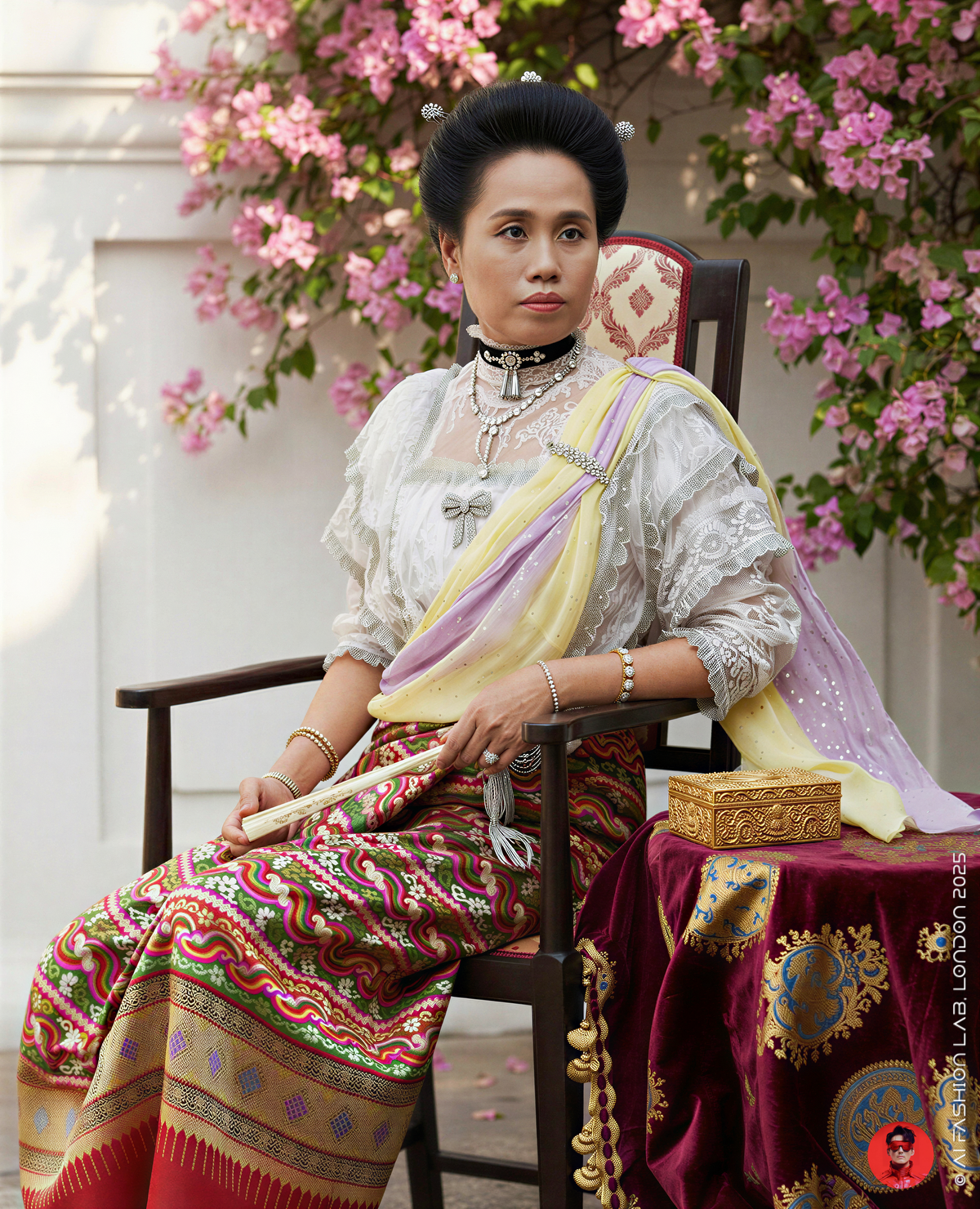
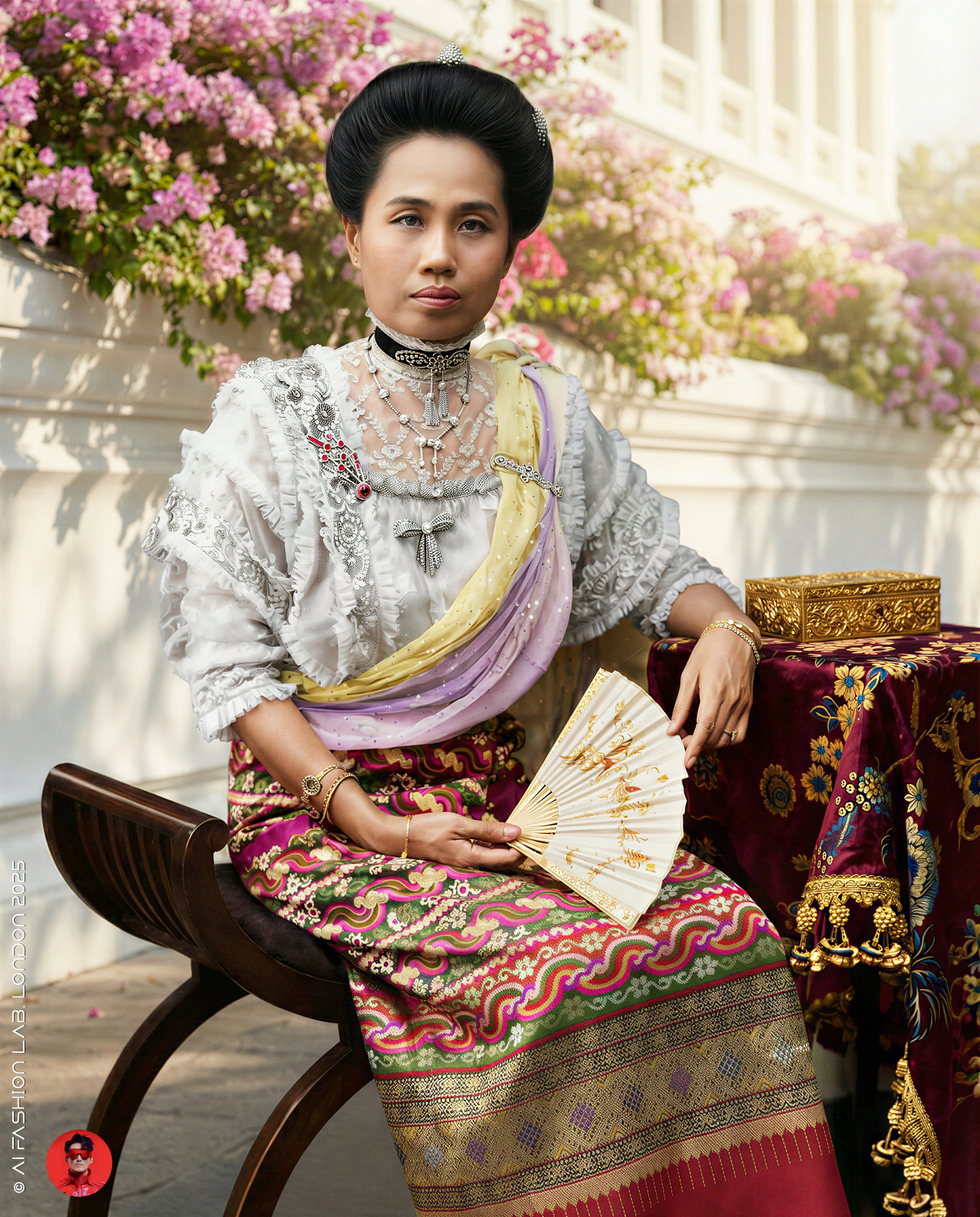
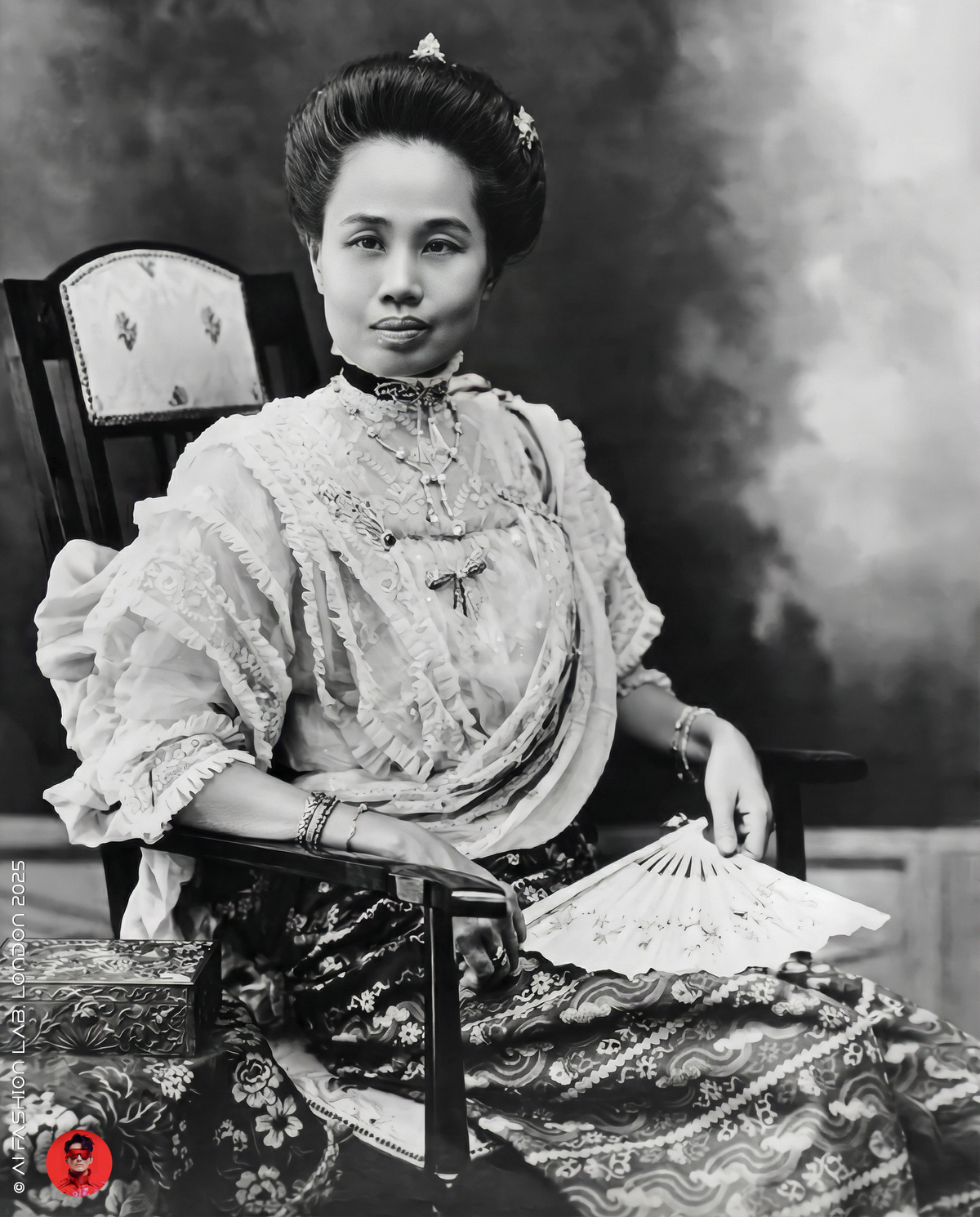
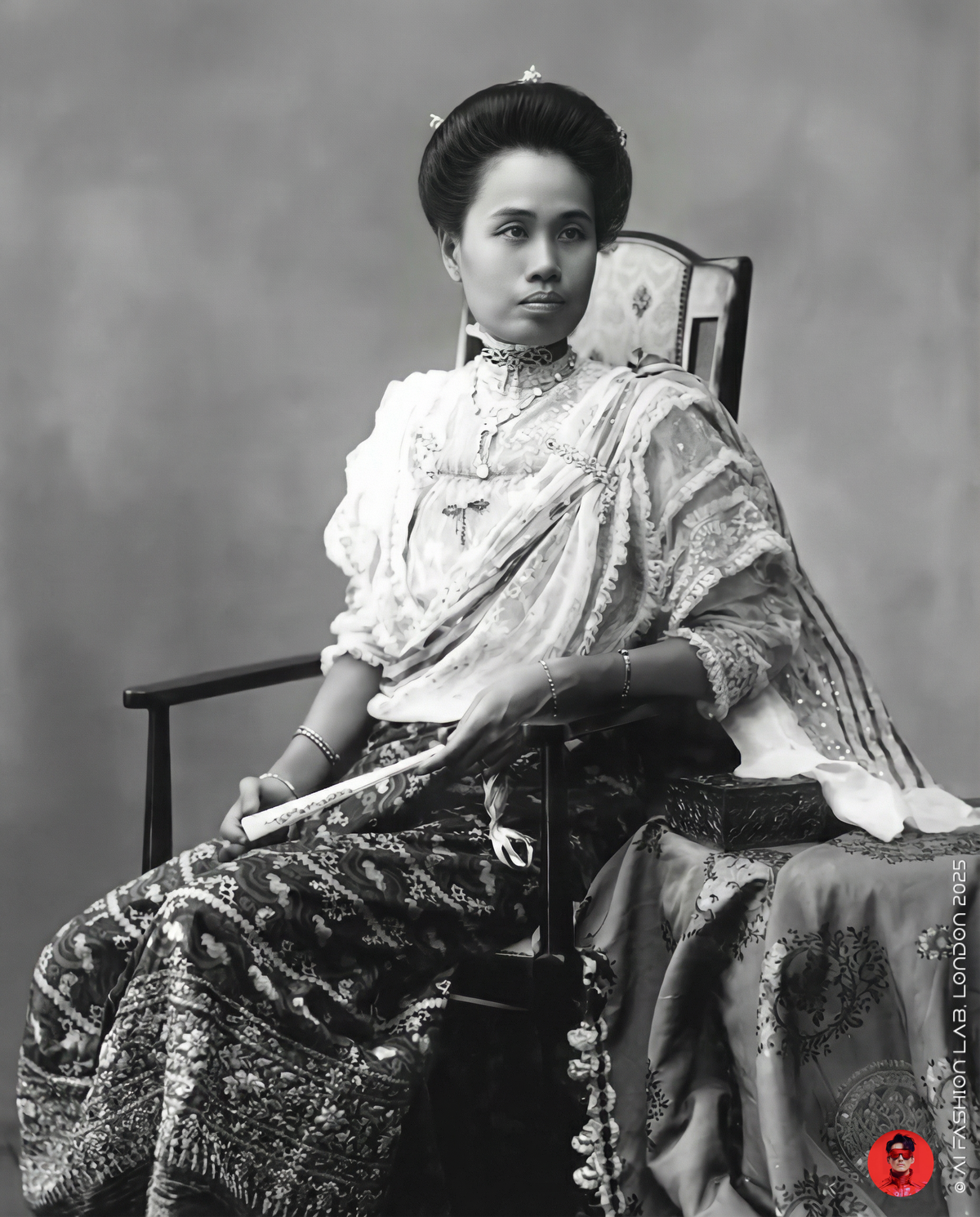
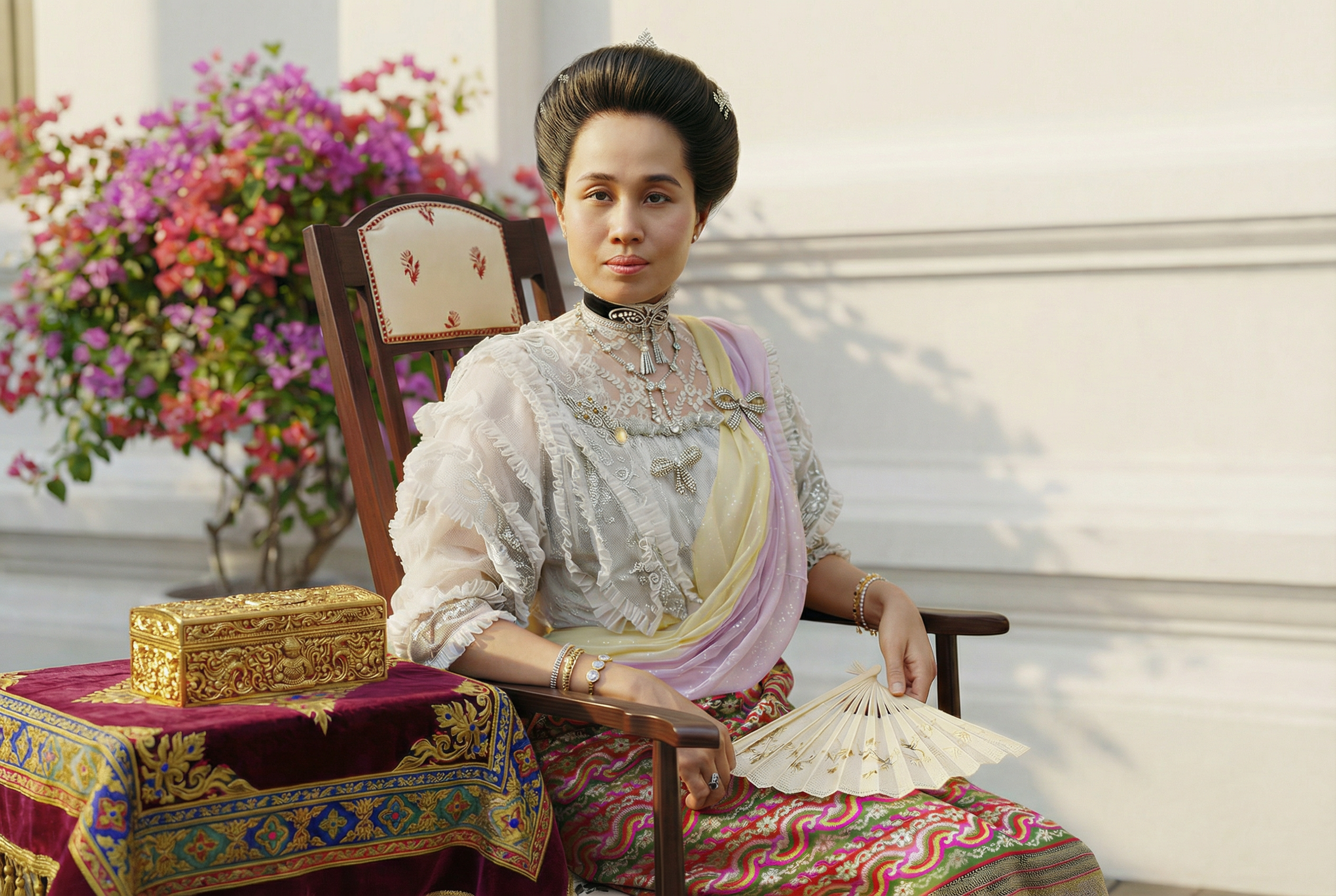
ภาพที่ได้รับการบูรณะและสร้างสรรค์ด้วยเทคโนโลยี AI นี้ คือพระรูปของพระราชชายา เจ้าดารารัศมี ในฉลองพระองค์สไตล์เอ็ดเวอร์เดียน–ล้านนา อันสะท้อนความงดงามของการผสมผสานวัฒนธรรมในช่วงต้นศตวรรษที่ 20 อย่างโดดเด่น
ภายในภาพคอลเลกชันนี้ เราจะพบการหลอมรวมขององค์ประกอบแฟชั่นจากหลายแหล่งวัฒนธรรม—สยาม ล้านนา พม่า ญี่ปุ่น และยุโรป—ที่ปรากฏอย่างกลมกลืน ทั้งในรูปแบบของเสื้อเบลาส์ลูกไม้แบบตะวันตก ผ้าซิ่นตีนจกและลวดลายล้านนา รายละเอียดลุนตยาจากพม่า ทรงผมเกล้าทรงญี่ปุ่น ตลอดจนรสนิยมแบบเอ็ดเวอร์เดียนจากสยาม สิ่งเหล่านี้ล้วนสะท้อนถึงโลกทัศน์อันกว้างไกลของเจ้าดารารัศมี ผู้ทรงเป็นสัญลักษณ์สำคัญของการแลกเปลี่ยนวัฒนธรรมระหว่างราชสำนักสยามกับหัวเมืองล้านนาในยุคนั้น
เสื้อเบลาส์ลูกไม้สไตล์เอ็ดเวอร์เดียนที่จับคู่กับผ้าซิ่น เป็นหนึ่งในรูปแบบการแต่งกายที่สะท้อนเอกลักษณ์เฉพาะของสตรีล้านนา ช่วงต้นศตวรรษที่ 20 อย่างเด่นชัด สไตล์นี้ได้รับการเผยแพร่ผ่านพระราชชายา เจ้าดารารัศมี และเหล่าข้าหลวงฝ่ายในของพระองค์ ซึ่งได้นำอิทธิพลจากแฟชั่นตะวันตกในยุคเอ็ดเวอร์เดียนมาผสมผสานกับความงดงามแบบล้านนาอย่างกลมกลืน แนวโน้มการแต่งกายนี้จึงเป็นหลักฐานสำคัญของการแลกเปลี่ยนวัฒนธรรมระหว่างสยามและหัวเมืองล้านนาในช่วงเวลาที่สังคมกำลังเปลี่ยนผ่านสู่ความทันสมัยตามแนวทางตะวันตก
ในบริบทของปลายยุคเอ็ดเวอร์เดียน (พ.ศ. 2443–2453) เจ้าดารารัศมีทรงเสด็จกลับเชียงใหม่ในปี พ.ศ. 2457 สี่ปีหลังการสวรรคตของพระบาทสมเด็จพระจุลจอมเกล้าเจ้าอยู่หัว การเสด็จครั้งนี้เกิดขึ้นในช่วงรัชกาลของพระบาทสมเด็จพระมงกุฎเกล้าเจ้าอยู่หัว และนับเป็นช่วงเวลาที่วัฒนธรรมล้านนาฟื้นคืนความรุ่งเรืองอีกครั้งในฐานะศูนย์กลางของประเพณีและงานหัตถกรรมพื้นเมือง ในช่วงนี้เราจึงพบภาพลักษณ์ของสุภาพสตรีล้านนาในเครื่องแต่งกายที่ผสมผสานองค์ประกอบตะวันตก เช่น เสื้อเบลาส์ผ้าลูกไม้คอสูงสีขาวนวลหรือครีม กับผ้าซิ่นตีนจกที่เป็นมรดกแห่งอัตลักษณ์ล้านนา ดิ้นไหมทองและไหมเงินที่ใช้ในผ้าตีนจกของสตรีสูงศักดิ์ไม่เพียงเพิ่มความหรูหรา แต่ยังสะท้อนความภาคภูมิใจของสตรีในรากเหง้าและวัฒนธรรมล้านนา
ลักษณะเฉพาะของฉลองพระองค์ของเจ้าดารารัศมีที่โดดเด่นอีกประการหนึ่ง คือการผสมผสานผ้าซิ่นตีนจกกับผ้าพม่าประเภทลุนตยา ซึ่งเป็นผ้าทอลายคลื่นนำ้ และเป็นลายทางขวางเช่นเดียวกับซิ่นต๋าของเชียงใหม่ การผสมสานนี้แสดงให้เห็นถึงความสัมพันธ์ทางวัฒนธรรมที่ลึกซึ้งระหว่างล้านนาและพม่า ซึ่งเคยมีปฏิสัมพันธ์ด้านการค้า การทูต และการปกครองต่อเนื่องหลายศตวรรษ การเลือกฉลองพระองค์ด้วยผ้าที่เชื่อมโยงกับพม่าซึ่งอยู่ภายใต้การปกครองของอังกฤษในเวลานั้น อาจตีความได้ว่าเป็นการย้ำถึงความสำคัญของรากเหง้าล้านนาและความสัมพันธ์ในภูมิภาค ซึ่งมีบทบาทอย่างมากต่อการค้าไม้สักกับอังกฤษในพื้นที่ภาคเหนือของสยาม
ความสัมพันธ์ล้านนา–พม่าในยุคนั้นไม่ได้จำกัดอยู่เพียงการค้าหรือแฟชั่นเท่านั้น แต่ยังขยายไปถึงด้านการศึกษาด้วย เชื้อสายเจ้านายเชียงใหม่จำนวนหนึ่ง เช่น เจ้าน้อยศุขเกษม ซึ่งเป็นพระญาติของเจ้าดารารัศมี ถูกส่งไปศึกษาที่พม่าซึ่งอยู่ภายใต้ระบบการศึกษาของอังกฤษ การเดินทางจากเชียงใหม่ไปยังเมืองพม่าในเวลานั้นสะดวกกว่าการเดินทางลงกรุงเทพฯ และมาตรฐานการศึกษาของอังกฤษก็เป็นที่ยอมรับว่านำสมัยกว่าในหลายด้าน การศึกษานอกภูมิลำเนานี้เปิดโลกทัศน์ให้เจ้านายล้านนาได้เห็นแบบแผนการบริหาร การค้า และสังคมที่เชื่อมโยงกับจักรวรรดิอังกฤษอันทรงอิทธิพล
อย่างไรก็ตาม การนุ่งผ้าลุนตยาอาจไม่ได้มีนัยทางการเมืองเสมอไป แต่ยังอาจสะท้อนเพียงความชื่นชอบส่วนพระองค์ต่อความงามของลวดลายและฝีมือการทอผ้า เช่นเดียวกับที่รูปแบบลายขวางของลุนตยาสอดคล้องกับสุนทรียะของซิ่นต๋าในเชียงใหม่ อีกทั้งเชียงใหม่ในปลายสมัยรัชกาลที่ 5 ยังมีอิทธิพลทางวัฒนธรรมพม่า และคนพม่าอาศัยอยู่ในหัวเมืองล้านนาเป็นจำนวนมาก อันเป็นผลจากการที่เมืองตกอยู่ใต้อำนาจพม่านานหลายร้อยปีก่อนยุทธการณ์กอบกู้เมืองเชียงใหม่ในสมัยเจ้ากาวิละ ดังนั้นอัตลักษณ์แบบพม่าจึงไม่ได้เป็นสิ่งแปลกปลอม แต่ผสานอยู่ในวิถีชีวิตของคนเมืองมาอย่างยาวนาน
อีกเอกลักษณ์ประจำราชสำนักของเจ้าดารารัศมี คือทรงผมแบบเกล้าทรงญี่ปุ่น ซึ่งได้รับอิทธิพลจากกระแส “Japonism” ที่กำลังเป็นแรงบันดาลใจสำคัญต่อศิลปะและแฟชั่นในยุคอิมเพรสชันนิสม์และอาร์ตนูโว ลักษณะการเกล้าผมสูงสไตล์นี้ปรากฏในภาพถ่ายของราชสำนักล้านนาในช่วงปลายรัชกาลที่ 5 ถึงต้นรัชกาลที่ 6 เป็นจำนวนมาก และได้กลายเป็นสัญลักษณ์ความสง่างามที่โดดเด่นของสุภาพสตรีล้านนาในยุคนั้น
เสื้อเบลาส์ลูกไม้คอสูงมักประดับด้วยโช้คเกอร์ซึ่งเป็นเทรนด์ที่สมเด็จพระราชินีอเล็กซานดราแห่งอังกฤษทรงทำให้เป็นที่นิยม พระองค์ทรงใช้โช้คเกอร์และปกคอสูงเพื่อปกปิดบาดแผลที่พระศอ แต่กลับกลายเป็นสไตล์ที่แพร่หลายในราชสำนักยุโรปและสยาม การนำโช้คเกอร์มาผสมผสานกับเสื้อเบลาส์แบบเอ็ดเวอร์เดียนช่วยเพิ่มความงดงามและความภูมิฐานให้แก่สตรีล้านนา รวมทั้งสอดคล้องกับรสนิยมที่เรียบง่ายแต่เปี่ยมด้วยความประณีตของแฟชั่นท้องถิ่น
อิทธิพลของเจ้าดารารัศมีที่มีต่อแฟชั่นล้านนาจึงไม่เพียงสะท้อนความงามของสไตล์เอ็ดเวอร์เดียนในบริบทท้องถิ่นเท่านั้น แต่ยังเป็นหลักฐานของการผสมผสานวัฒนธรรมข้ามพรมแดนที่เปี่ยมด้วยความหมาย ทั้งในด้านการเมือง การค้า การศึกษาระหว่างภูมิภาค และการสร้างสรรค์อัตลักษณ์ใหม่ที่ยืนหยัดอยู่เหนือกาลเวลา ปัจจุบันสไตล์เอ็ดเวอร์เดียน–ล้านนาจึงยังคงเป็นสัญลักษณ์ของความสง่างามอันคลาสสิก และเป็นบทบันทึกสำคัญของประวัติศาสตร์แฟชั่นในสยามและล้านนาช่วงต้นศตวรรษที่ 20
__________________________
The Timeless Elegance of Edwardian–Lanna Fashion: A Cultural Synthesis
This AI-restored and creatively generated image presents Princess Dara Rasmi (พระราชชายา เจ้าดารารัศมี) of Chiang Mai, who was a royal consort of King Chulalongkorn of Siam (King Rama V). She was the daughter of Chao Inthawichayanon (พระเจ้าอินทวิชยานนท์), the seventh Prince Ruler of Chiang Mai and a sovereign prince of the Thipchak Dynasty.
In these images, she is depicted wearing an Edwardian–Lanna ensemble that embodies the refined beauty of cultural blending during the early twentieth century. Within this visual collection, one encounters a harmonious interplay of diverse cultural influences—Siamese, Lanna, Burmese, Japanese, and European—expressed through Western lace blouses, Lanna sin with teen chok motifs, Burmese luntaya accents, Japanese-inspired coiffures, and distinctly Edwardian stylistic sensibilities.
Together, these elements reveal the cosmopolitan outlook of Princess Dara Rasmi, who became a central symbol of cultural exchange between the Siamese court and the northern Lanna realms.
The Edwardian lace blouse paired with a Lanna sin became one of the most distinctive styles worn by Lanna women during the early twentieth century. This fashion was popularised by Princess Dara Rasmi and her attendants, who integrated Western Edwardian influences into the existing visual vocabulary of Lanna dress. The resulting hybrid style stands as material evidence of cultural exchange during a period in which Siam and its northern territories were adapting to the broader currents of Western modernity.
During the late Edwardian era (1900–1910; พ.ศ. 2443–2453), Princess Dara Rasmi returned to Chiang Mai in 1914 (พ.ศ. 2457), four years after the passing of King Chulalongkorn (รัชกาลที่ 5). Her return took place under the reign of King Vajiravudh (รัชกาลที่ 6) and marked a renewed flourishing of Lanna culture, particularly its textile and craft traditions. It was in this milieu that Lanna gentlewomen embraced a hybrid mode of dress: high-necked lace blouses in ivory or cream, crafted in the Edwardian manner, worn with sin teen chok—the signature textile of Lanna identity. The gold and silver threads found in the teen chok of high-ranking women added an air of refinement while expressing pride in Lanna heritage.
A notable characteristic of Princess Dara Rasmi’s attire was her combination of sin teen chok with Burmese luntaya, a fabric featuring wave-like lines and horizontal patterns reminiscent of Chiang Mai’s sin ta. This textile hybridisation illustrates the deep cultural connections between Lanna and Burma, whose historical interactions—through trade, diplomacy, and shifting sovereignties—spanned centuries. Wearing luntaya during a period in which Burma was under British rule may be interpreted as a subtle assertion of Lanna identity and its regional affinities, especially given the significance of northern Siam in the Anglo-Siamese teak trade.
Lanna–Burmese relations of the period extended beyond commerce and fashion. They also encompassed education. Several members of Chiang Mai’s ruling families—such as Chao Noi Suk Kasem (เจ้าน้อยศุขเกษม), a relative of Princess Dara Rasmi—were sent to study in Burma under the British educational system. Travel from Chiang Mai to Burmese cities was more convenient than the journey to Bangkok, and British-run institutions were widely regarded as modern and progressive. Such cross-border education broadened the worldviews of Lanna nobility and exposed them to administrative, commercial, and cultural frameworks shaped by the British Empire.
However, the adoption of luntaya need not be read exclusively in political terms. It may also reflect the Princess’s personal appreciation for the artistry of Burmese weaving and the aesthetic harmony between its horizontal patterns and those of local Lanna textiles. Moreover, in the late reign of King Chulalongkorn (รัชกาลที่ 5), Chiang Mai retained strong Burmese cultural influences, with many Burmese residents living across the northern towns. Having been under Burmese rule for several centuries prior to the restoration of Chiang Mai by Chao Kawila (เจ้ากาวิละ), Burmese aesthetics had long been woven into the fabric of Lanna daily life.
Another defining element of Princess Dara Rasmi’s court style was her Japanese-inspired updo, influenced by the broader aesthetic movement of Japonism, which shaped European art and fashion during the Impressionist and Art Nouveau periods. This elevated coiffure appears frequently in photographic records of the Lanna court in the late Fifth to early Sixth Reigns and soon became a marker of elegance among Lanna gentlewomen.
The high-neck lace blouse was often paired with a choker—an accessory popularised by Queen Alexandra of the United Kingdom. The Queen famously adopted high collars and chokers to conceal a scar on her neck, transforming this practical choice into one of the defining fashion trends of the Edwardian era. Chokers were readily embraced by Siamese women, including those in Princess Dara Rasmi’s circle, as they enhanced the poise and refinement of an outfit while aligning with the understated yet sophisticated aesthetics of Lanna dress.
Princess Dara Rasmi’s influence on Lanna fashion thus extends beyond the adoption of Western styles. It represents a meaningful cross-cultural dialogue—between centre and periphery, between local heritage and global modernity, between Lanna, Burma, Japan, and Europe. The Edwardian–Lanna style that emerged from this exchange remains a lasting symbol of timeless elegance and stands today as an invaluable record of early twentieth-century fashion history in Siam and its northern domains.
เรียนเชิญกด Subscribe ได้ที่ลิงก์นี้ครับ เพื่อร่วมติดตามงานสร้างสรรค์ต้นฉบับ งานวิจัยประวัติศาสตร์แฟชั่น และผลงานอนุรักษ์มรดกวัฒนธรรมด้วยเทคโนโลยี AI ของ AI Fashion Lab, London ซึ่งมุ่งตีความอดีตผ่านมิติใหม่ของการบูรณะภาพ การสร้างสรรค์ภาพ และการเล่าเรื่องด้วยศิลปะเชิงดิจิทัล 🔗 https://www.facebook.com/aifashionlab/subscribe/
#aifashionlab #AI #aiartist #aiart #aifashion #aifashiondesign #aifashionstyling #aifashiondesigner #fashion #fashionhistory #historyoffashion #fashionstyling #fashionphotography #digitalfashion #digitalfashiondesign #digitalcostumedesign #digitaldesign #digitalaiart #ThaiFashionHistory #ThaiFashionAI #thailand #UNESCO