โขลน คือใคร ทำหน้าที่อะไรในพระบรมมหาราชวัง
โขลน คือใคร ทำหน้าที่อะไรในพระบรมมหาราชวัง
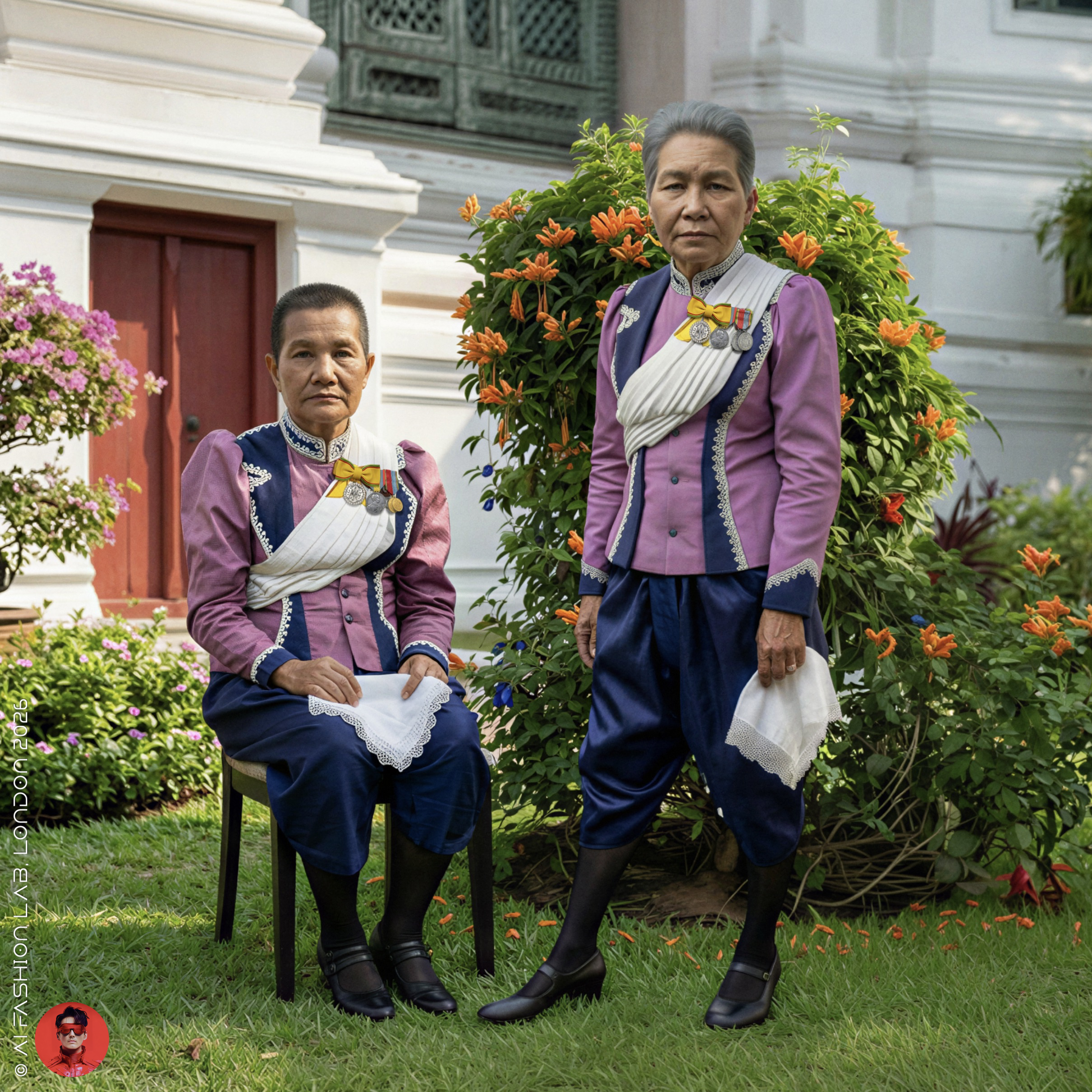
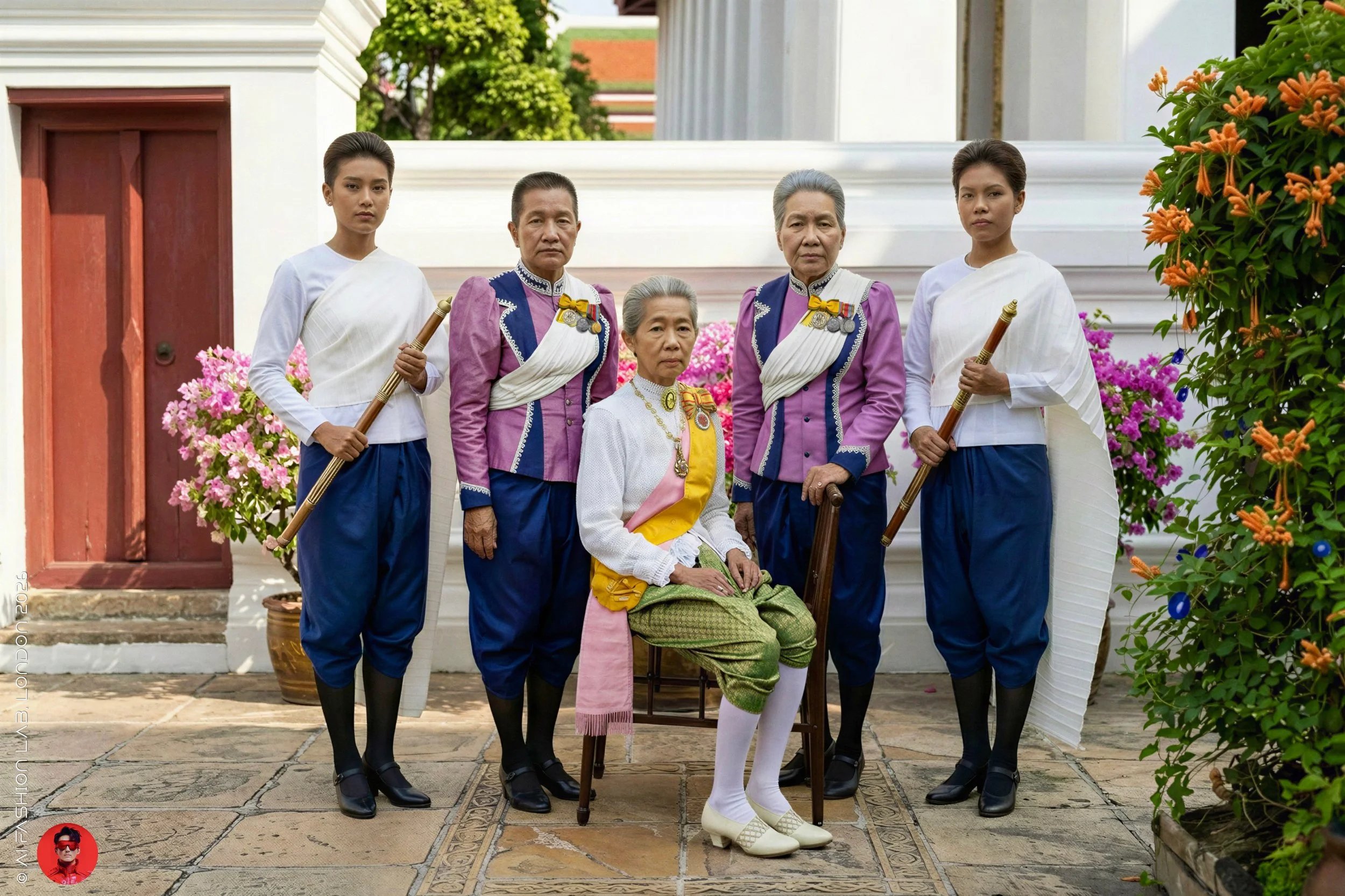
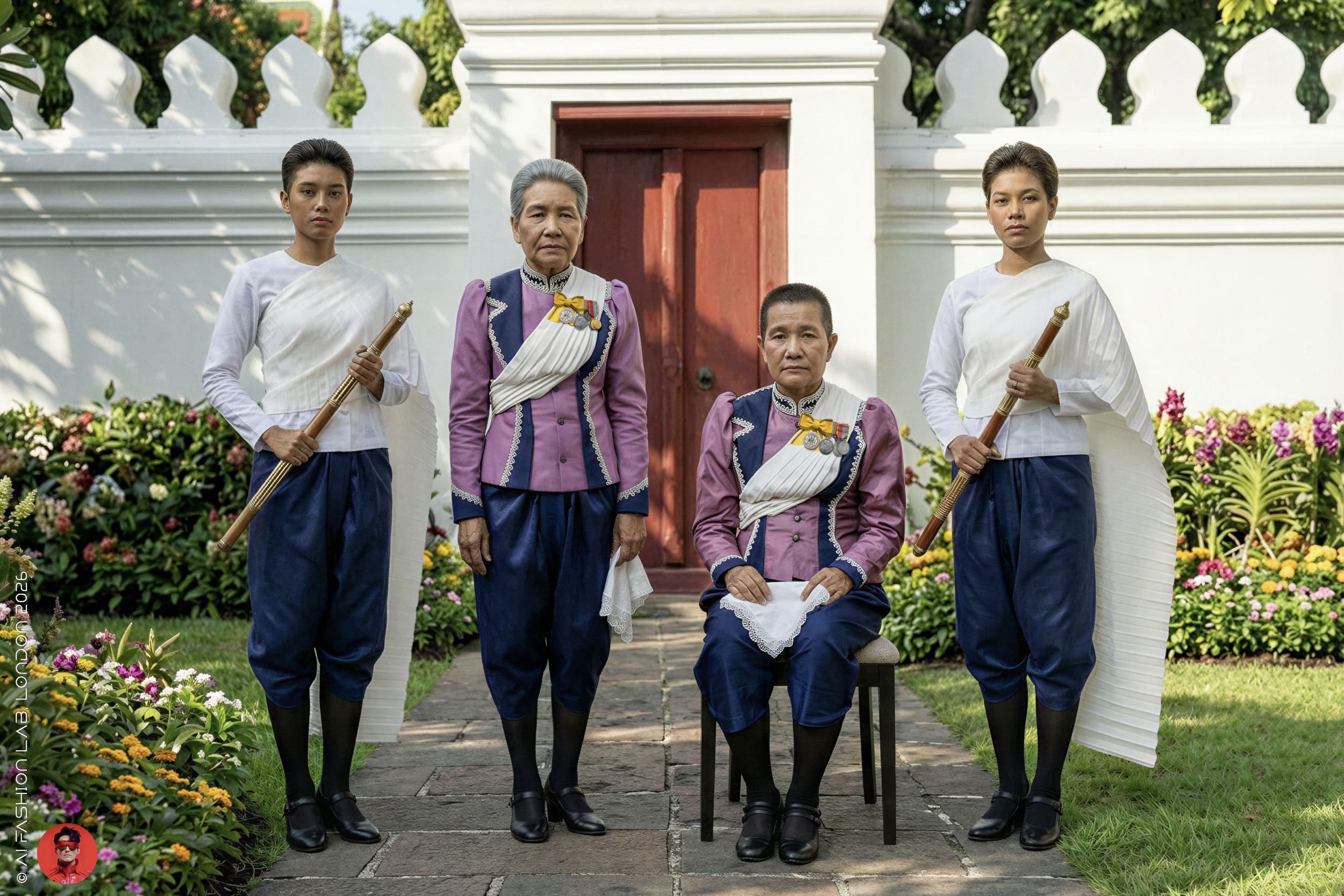
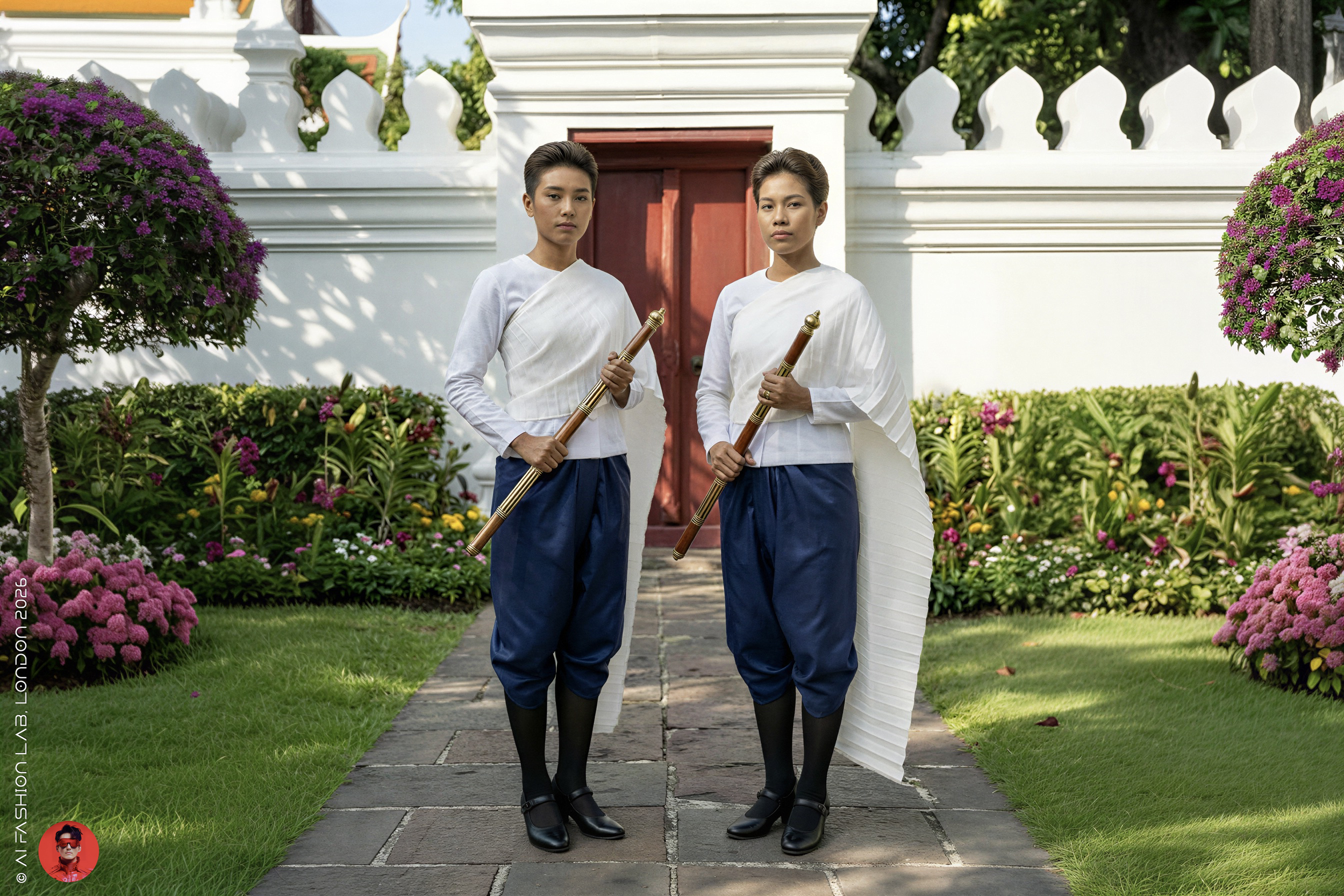
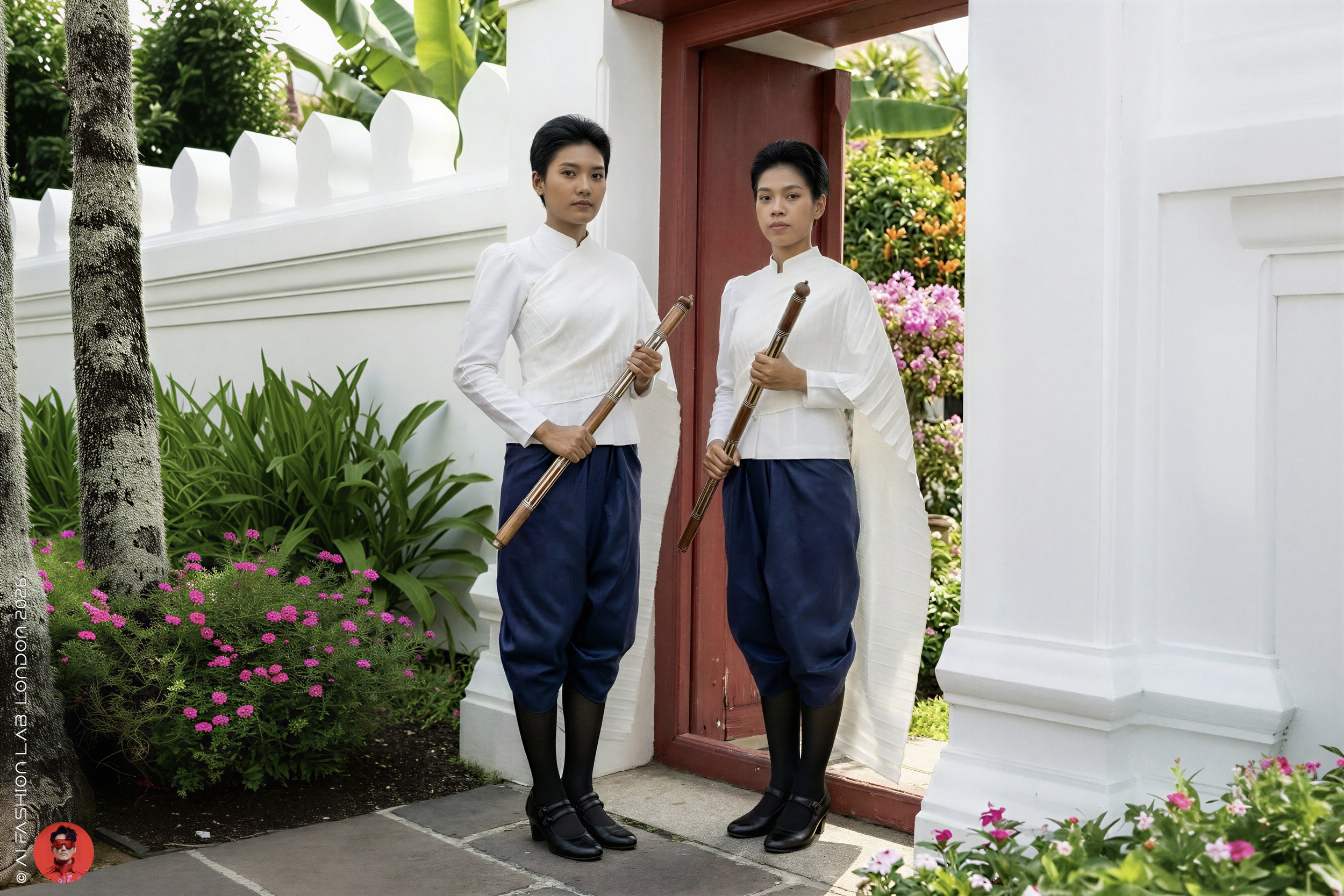
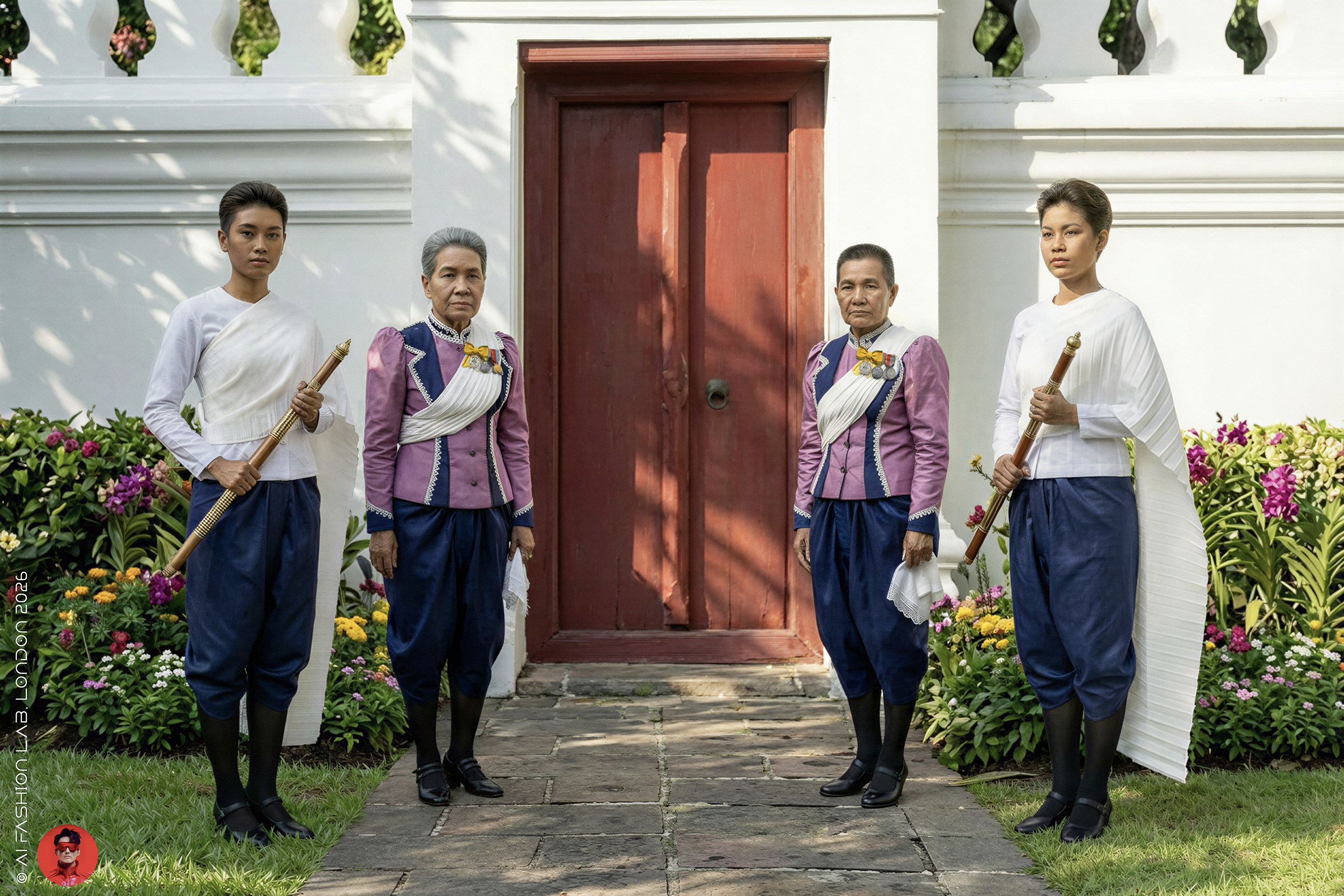
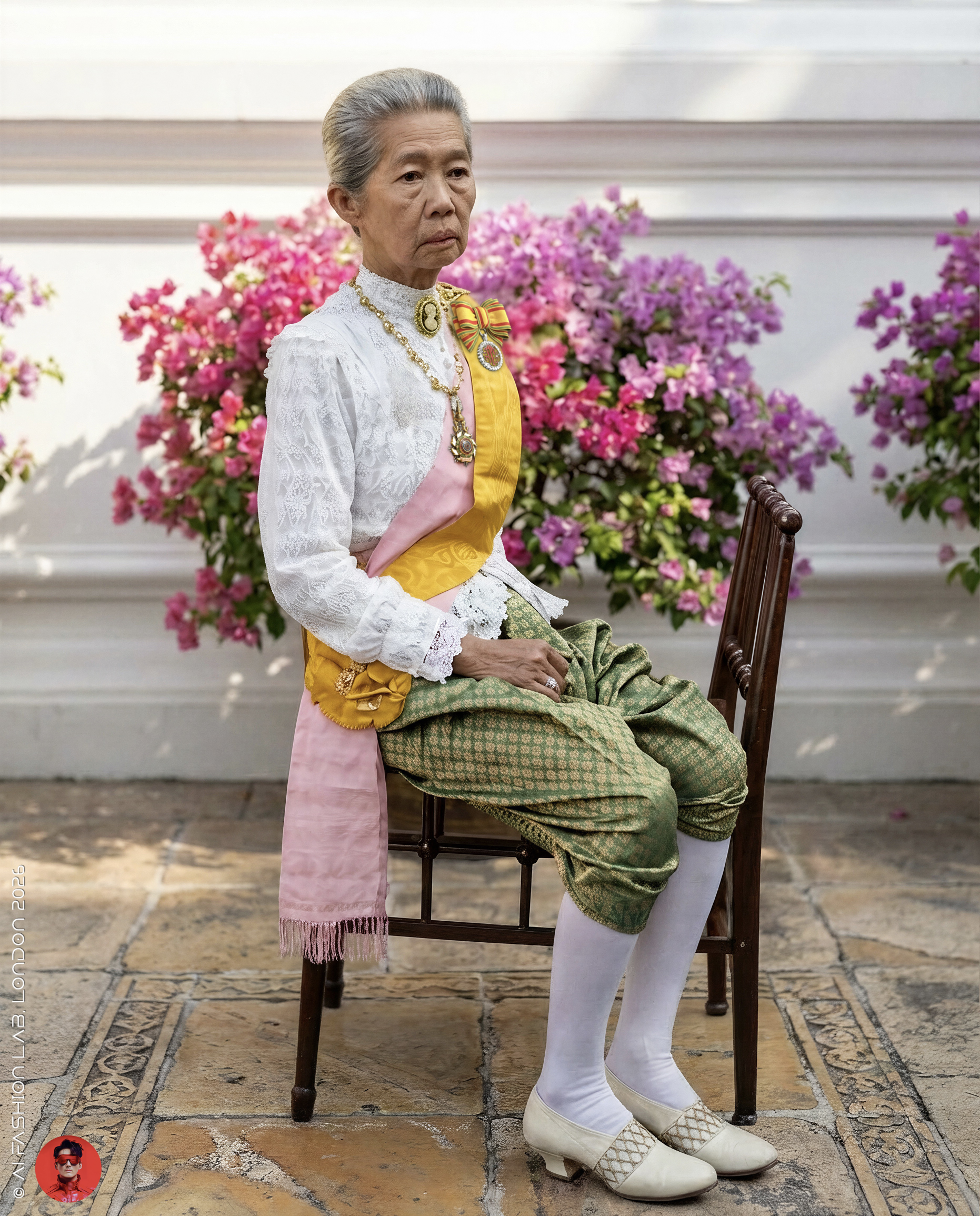
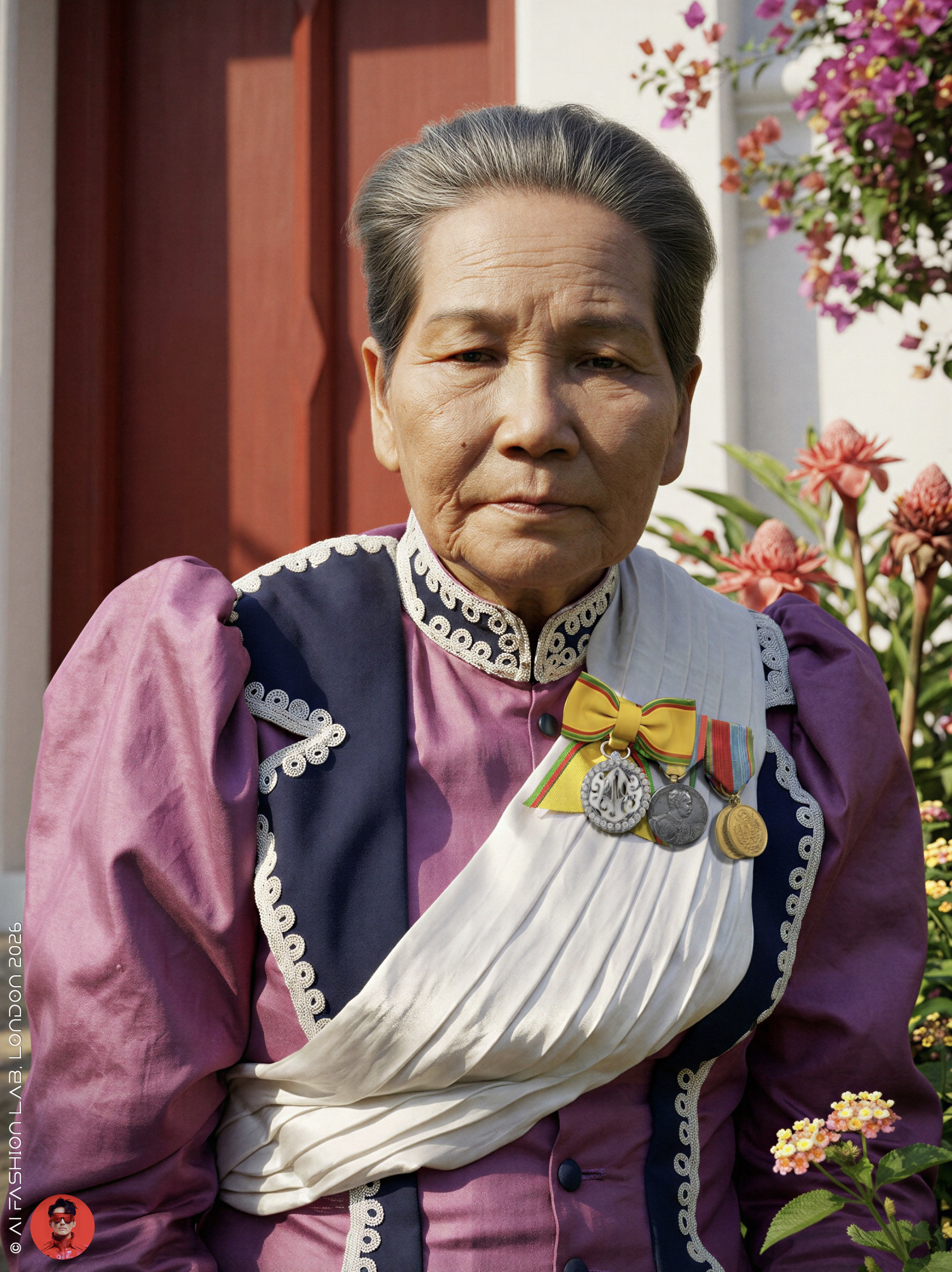
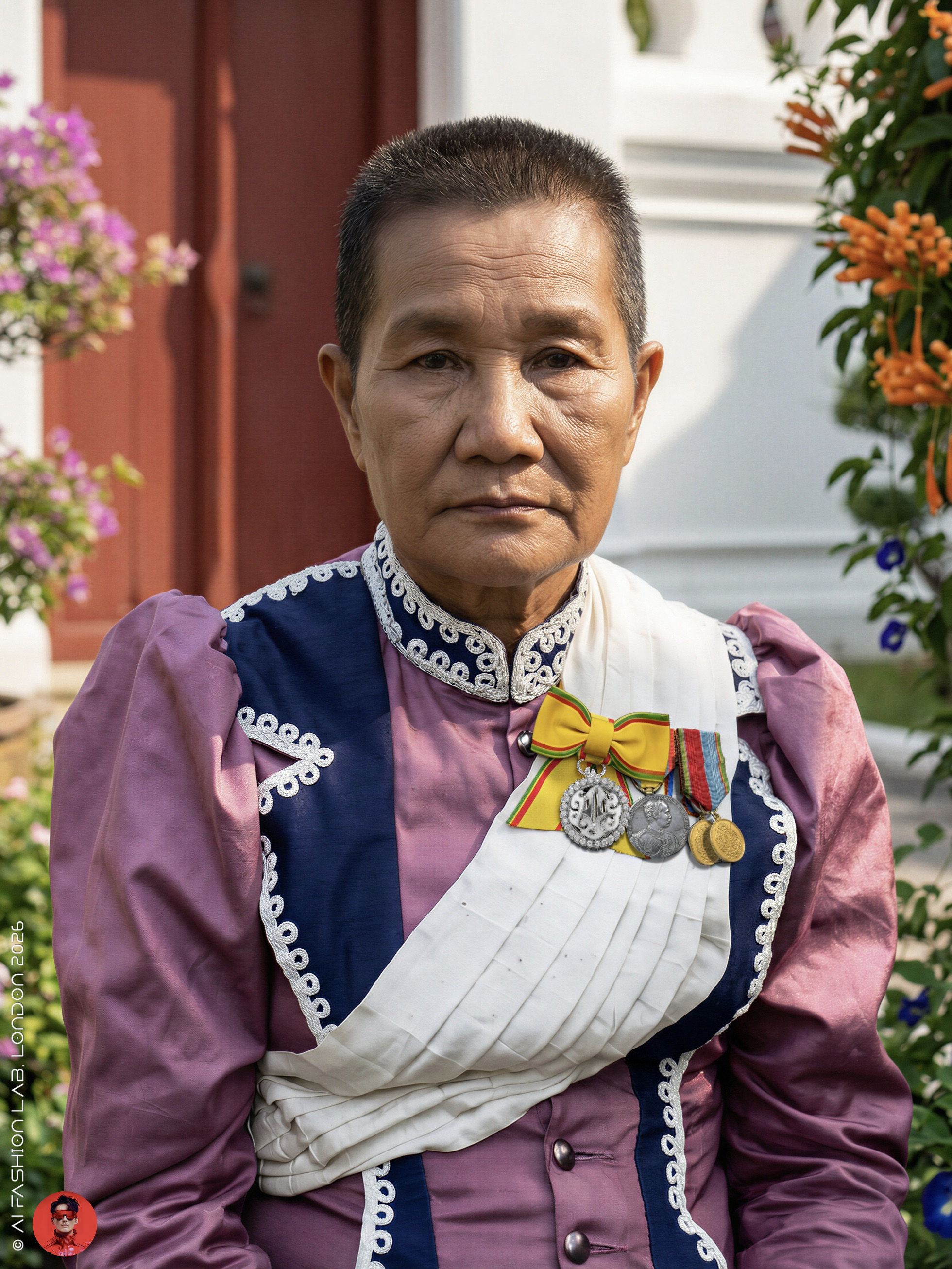
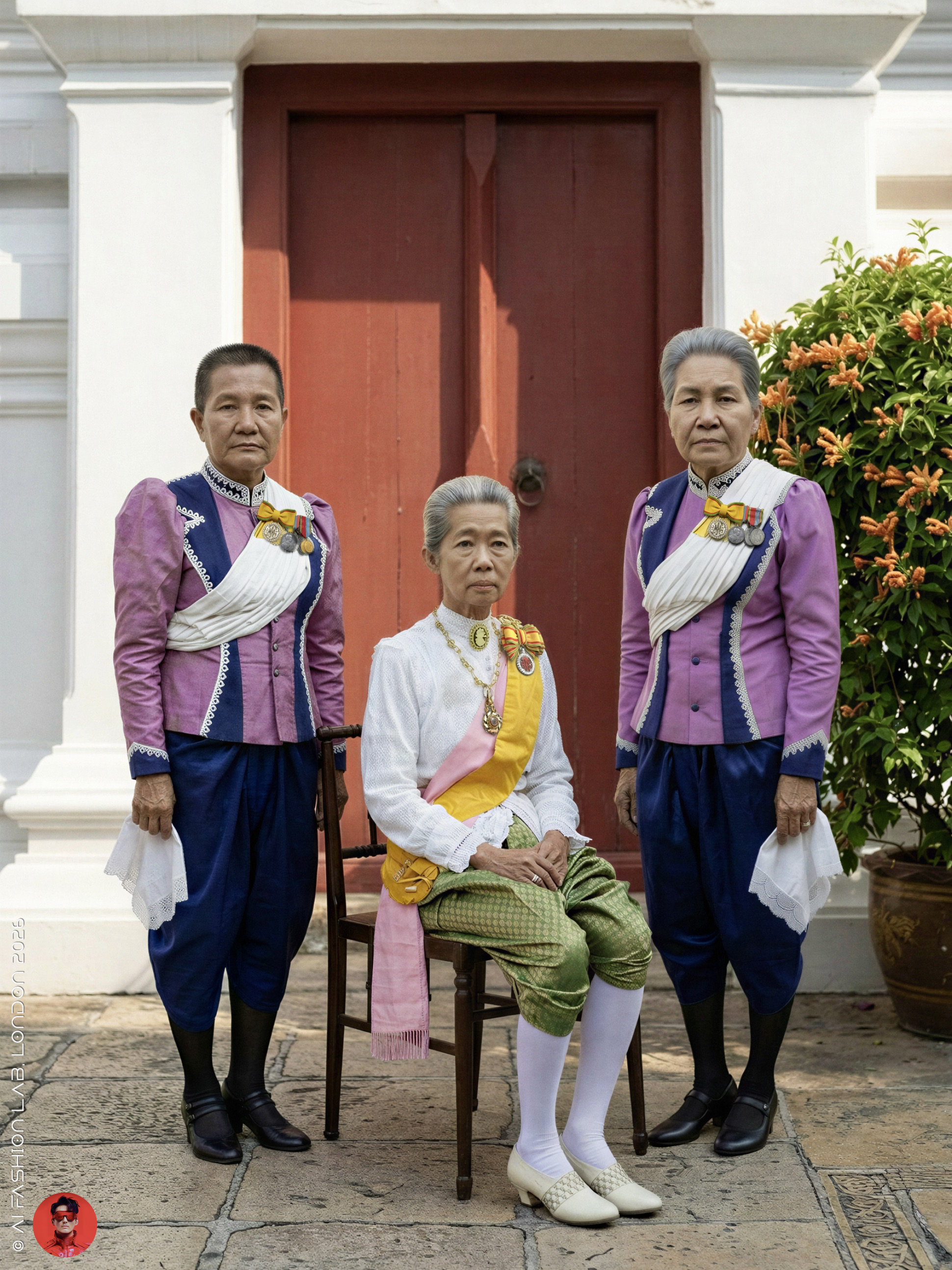
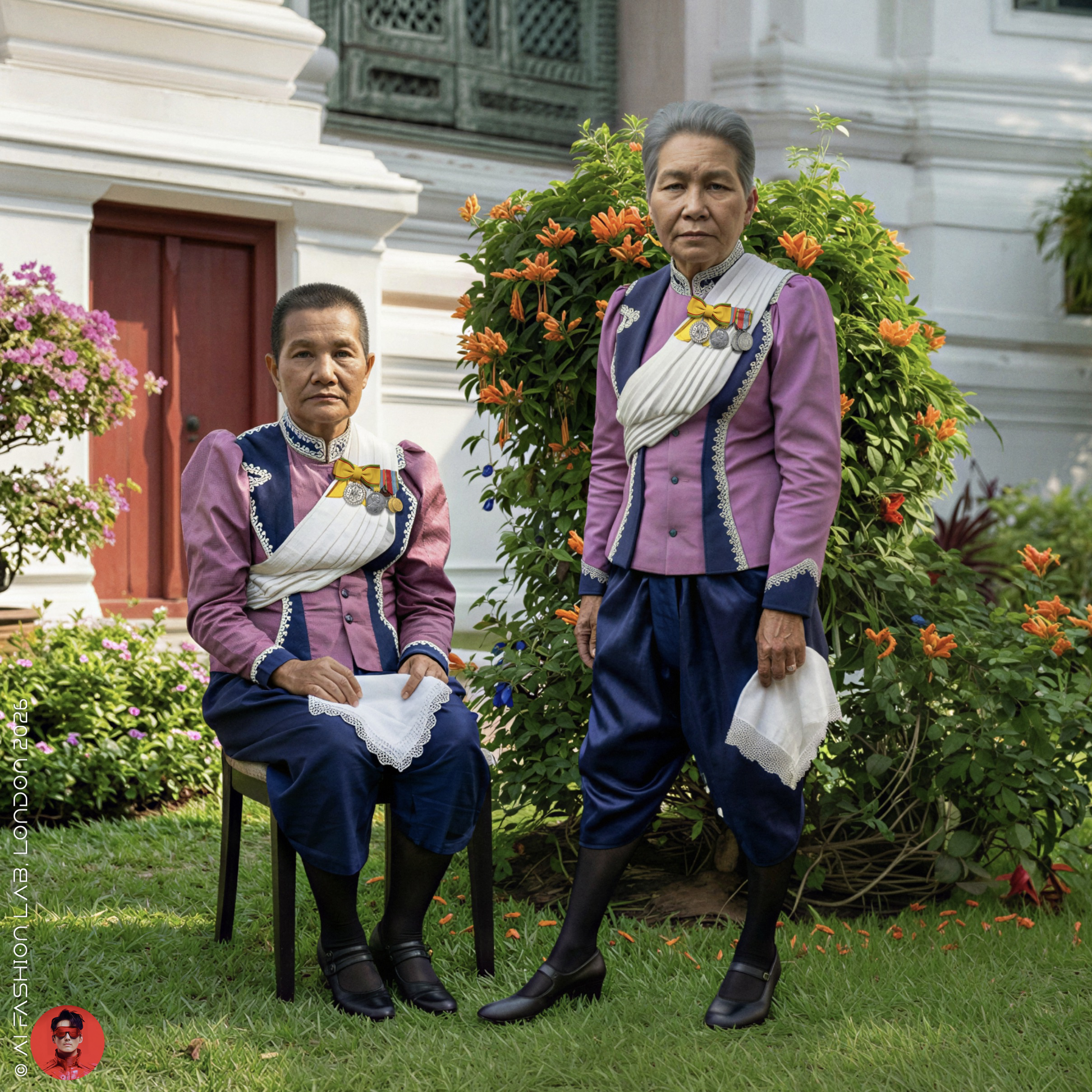
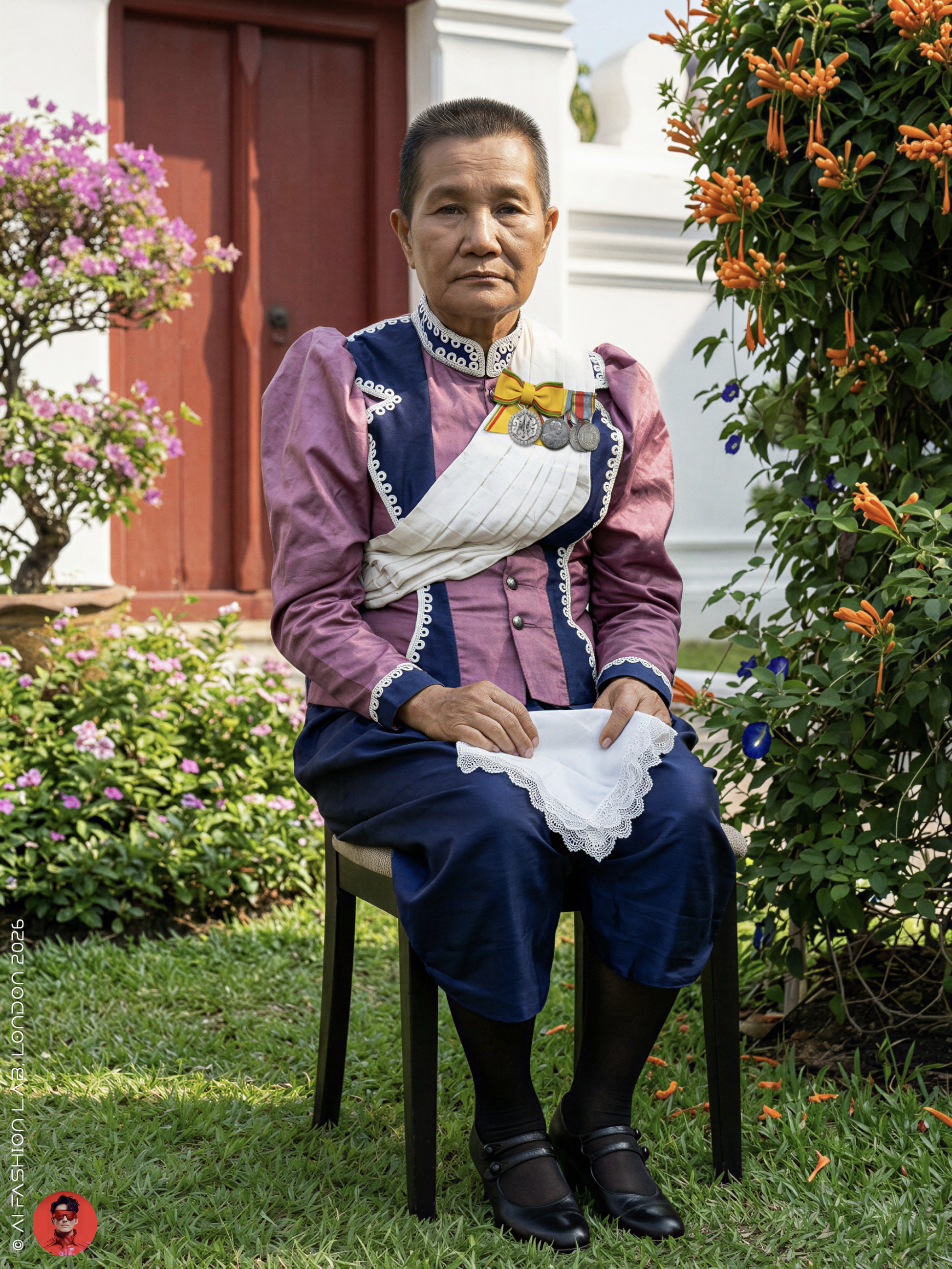
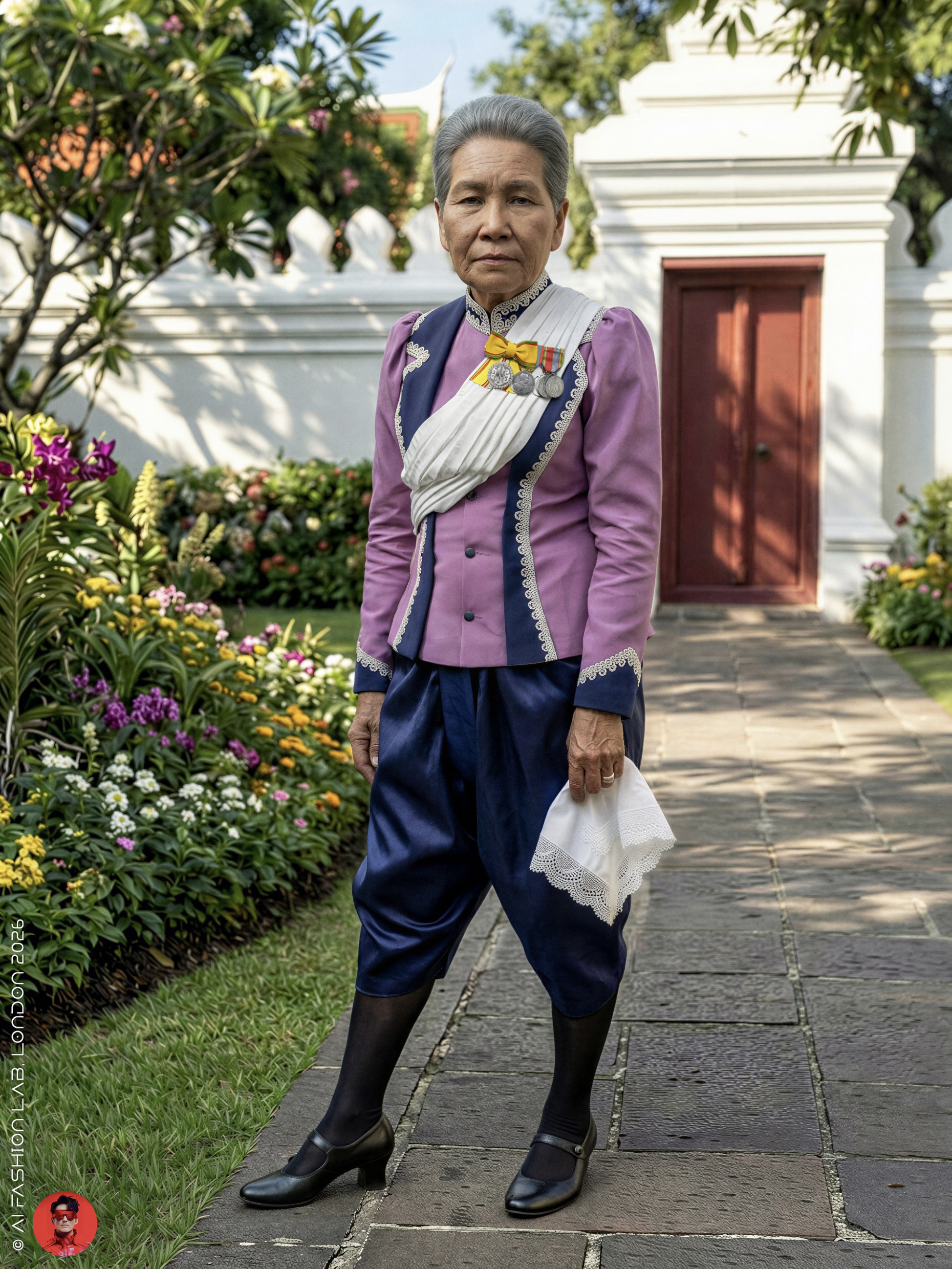
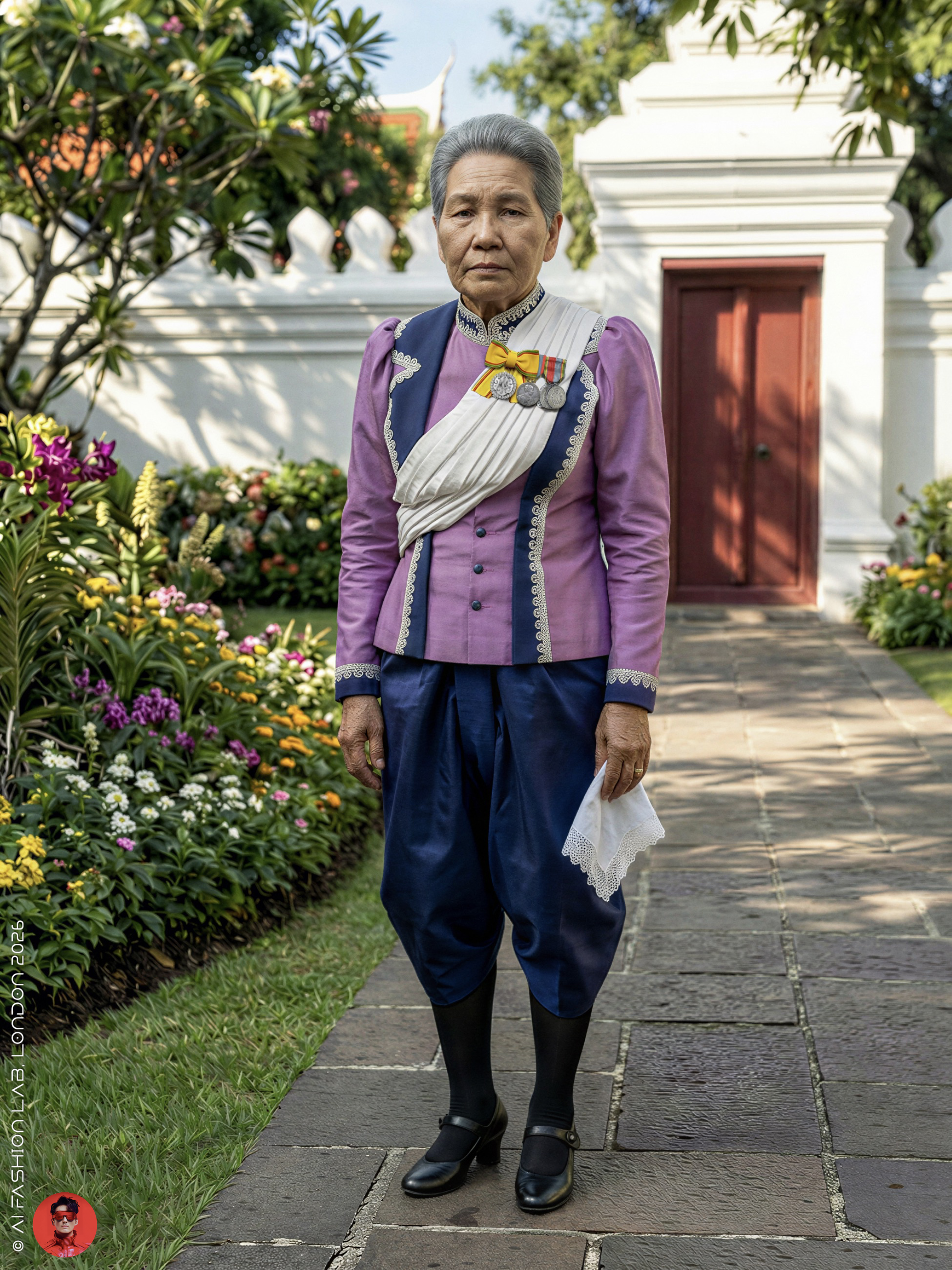
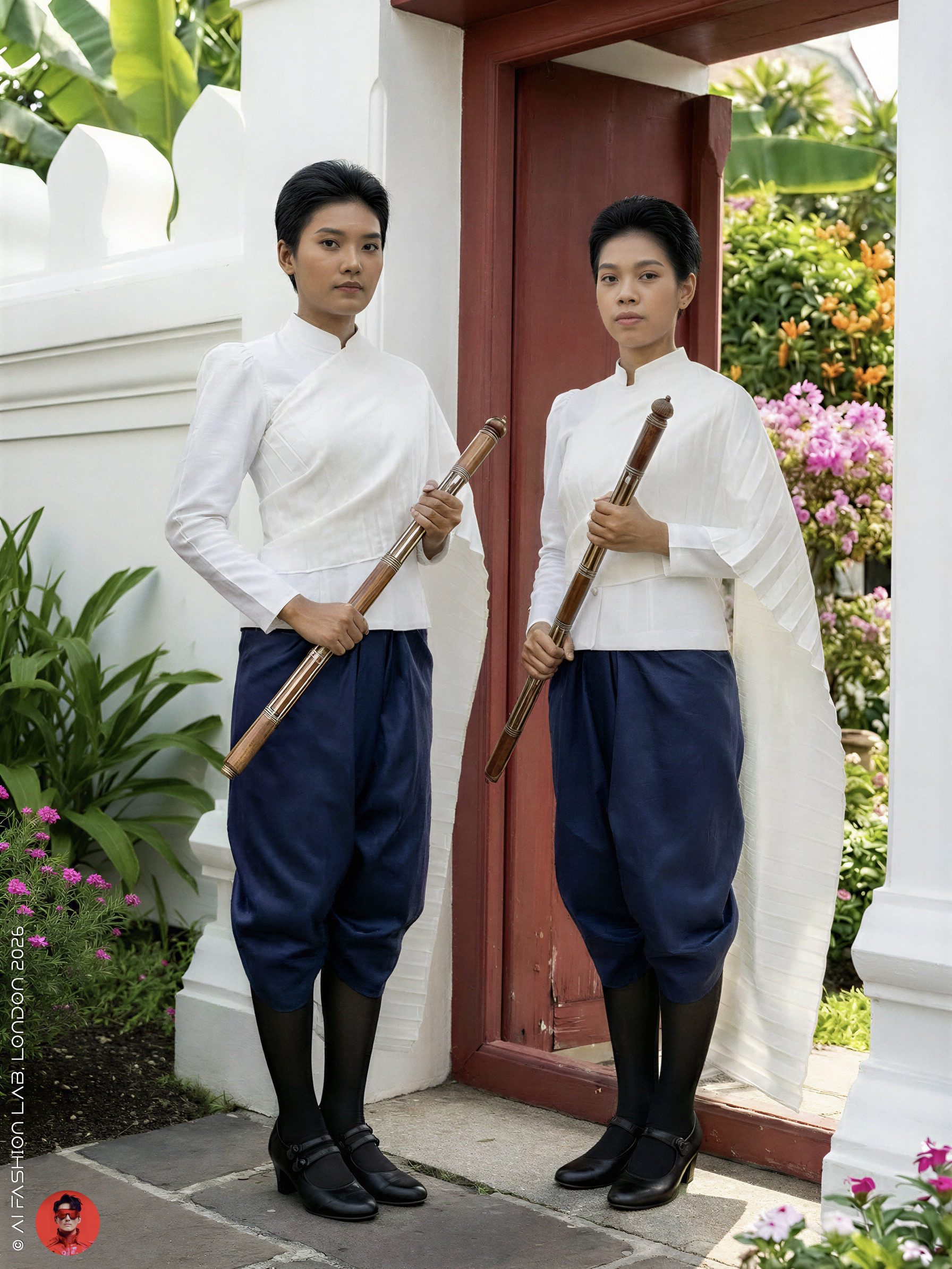
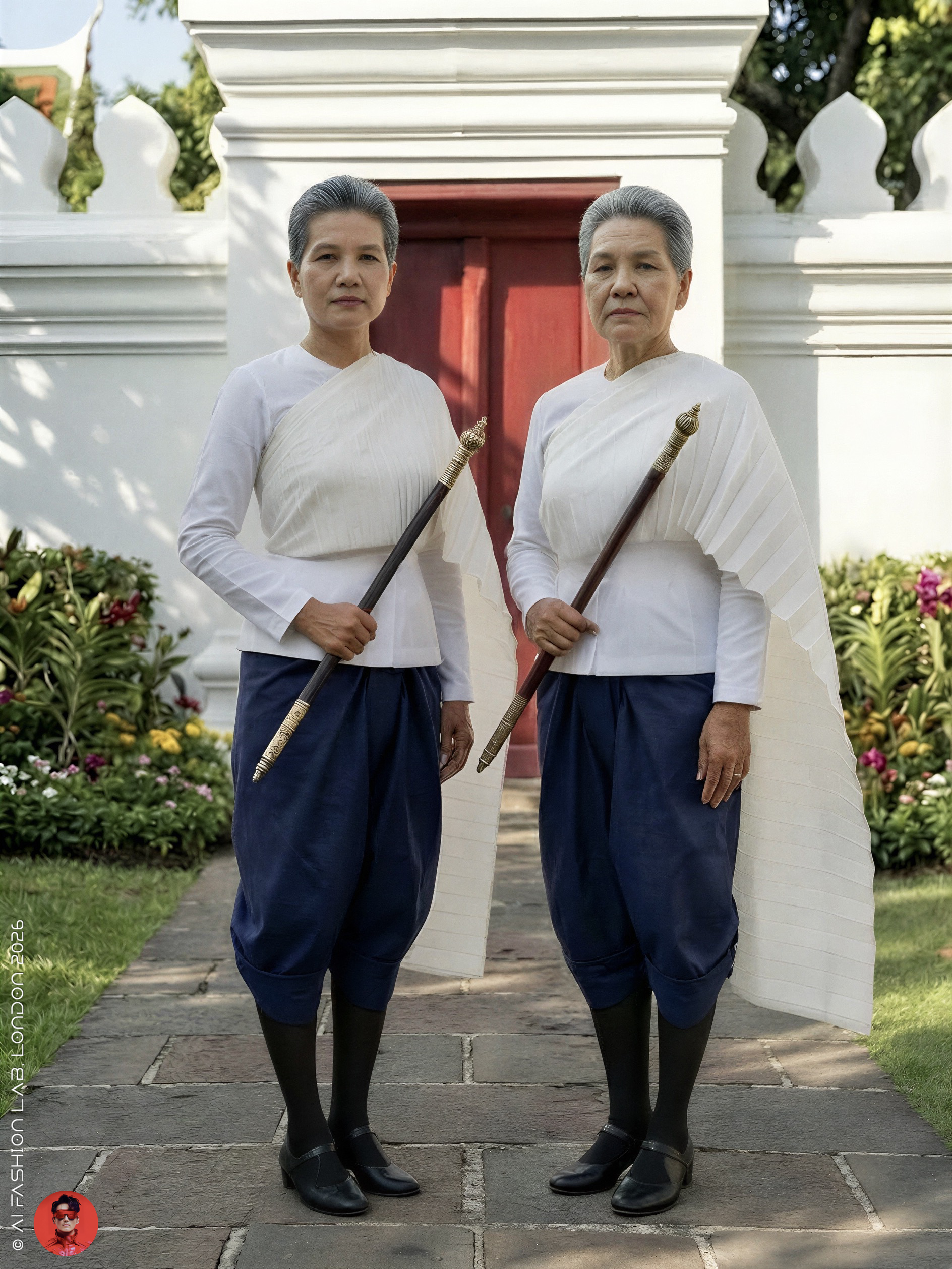
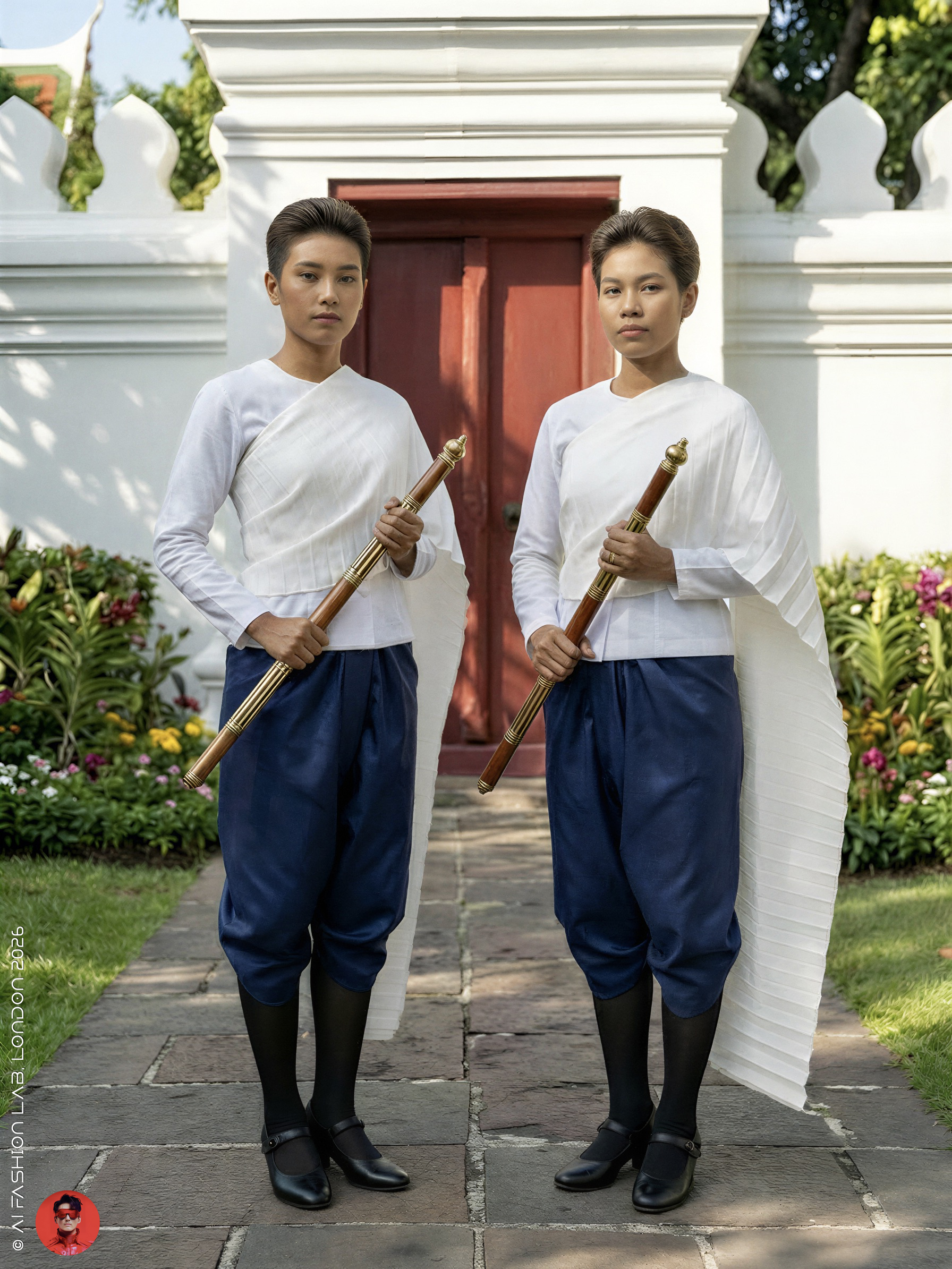
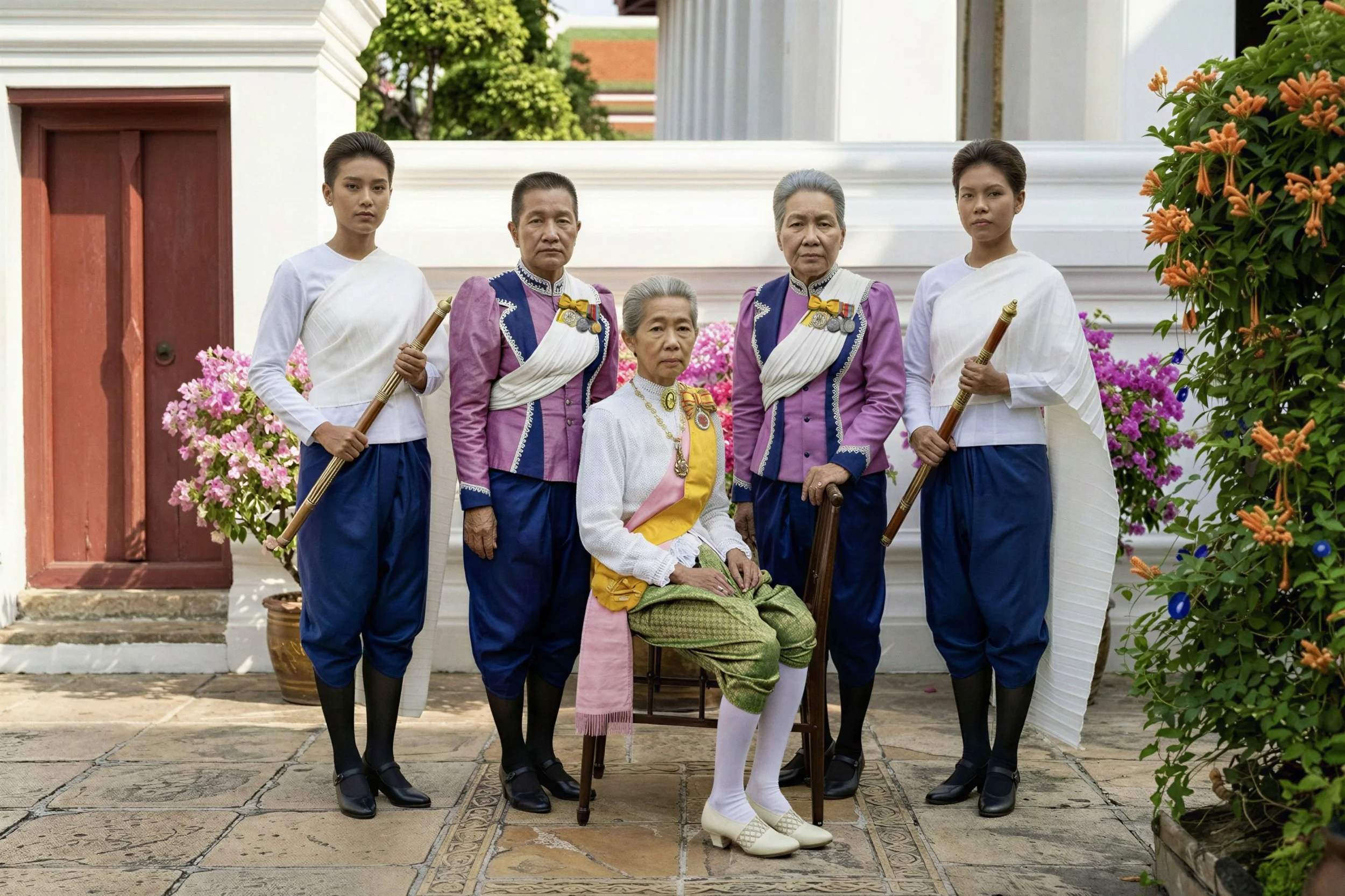
ภาพที่ได้รับการบูรณะและสร้างสรรค์ด้วยเทคโนโลยี AI คือภาพของกรมโขลน
“โขลน” เป็นคำที่คนยุคนี้ไม่ค่อยคุ้นหูหรือไม่ค่อยรู้จักกันแล้ว เพราะไม่ปรากฏในชีวิตประจำวัน แต่ในอดีต โขลนมีความสำคัญไม่น้อย เนื่องจากมีบทบาทในพระบรมมหาราชวัง มี “เสด็จอธิบดี” เป็นผู้ดูแล “กรมโขลน”
โขลน เป็นพนักงานสตรี สังกัดกรมโขลน มีมาตั้งแต่สมัยกรุงศรีอยุธยาต่อเนื่องมาถึงสมัยกรุงรัตนโกสินทร์ ทำหน้าที่คล้ายตำรวจนครบาลของพระราชสำนักฝ่ายหน้า
กรมโขลน สังกัดกระทรวงวัง มีการบังคับบัญชาตามลำดับชั้น ตั้งแต่นายซึ่งเป็นชั้นต่ำสุด แล้วจึงถึงจ่า ชั้นสูงสุด คือ “หลวงแม่เจ้า” ทั้งหมดมีอธิบดีกรมโขลนเป็นผู้บังคับบัญชาโดยตรง
ในรัชสมัยพระบาทสมเด็จพระจุลจอมเกล้าเจ้าอยู่หัว มีอธิบดีกรมโขลน หรือที่เรียกกันว่า “เสด็จอธิบดี” คือ พระเจ้าบรมวงศ์เธอ กรมหลวงทิพยรัตนกิริฎกุลินี (พระนามเดิมคือ พระเจ้าลูกเธอ พระองค์เจ้านภาพรประภา) ทรงเป็นพระราชธิดาในพระบาทสมเด็จพระจอมเกล้าเจ้าอยู่หัว ประสูติแต่เจ้าคุณจอมมารดาสำลี แห่งสายสกุลบุนนาค
กรมหลวงทิพยรัตนกิริฎกุลินี ทรงมีพระเชษฐาและพระเชษฐภคินีร่วมพระมารดาเดียวกัน 4 พระองค์ หนึ่งในนั้นคือ สมเด็จพระปิตุจฉาเจ้า สุขุมาลมารศรี พระอัครราชเทวี พระภรรยาเจ้าในรัชกาลที่ 5
เสด็จอธิบดี ไม่เพียงทรงบังคับว่าราชการฝ่ายใน พระองค์ยังทรงทำหน้าที่อภิบาล สมเด็จพระอนุชาธิราช เจ้าฟ้าอัษฎางค์เดชาวุธ กรมหลวงนครราชสีมา (พระนามเดิมคือ สมเด็จพระเจ้าลูกยาเธอ เจ้าฟ้าอัษฎางคเดชาวุธ) พระราชโอรสในรัชกาลที่ 5 ประสูติแต่สมเด็จพระศรีพัชรินทราบรมราชินีนาถ พระบรมราชชนนีพันปีหลวง อีกด้วย
ที่ทำการหรือกองรักษาการกรมโขลน อยู่ชั้นล่างของพระที่นั่งนิพัทธพงศ์ถาวรวิจิตร เรียกว่า ศาลากรมโขลน เครื่องแบบพนักงานโขลนที่ใช้ทั่วไปคือ นุ่งผ้าพื้นโจงกระเบนสีน้ำเงินกรมท่า สวมเสื้อขาวคอกลมผ่าอกกระดุม 5 เม็ด แขนกระบอกยาวจรดข้อมือ มีผ้าห่มสี่เหลี่ยมผืนผ้าสีขาวอีกผืนหนึ่งห่มเป็นสไบเฉียงไหล่ซ้าย
โขลน มีหน้าที่สำคัญคือ ดูแลรักษาความสงบเรียบร้อยและความปลอดภัย คอยดูแลกวดขันให้ทุกคนปฏิบัติตามขนบประเพณีที่อยู่ในขอบเขตของกฎมณเฑียรบาล
แม้โขลนจะเป็นชาววัง แต่ก็อยู่ในลำดับต่ำสุด จากการแบ่งกลุ่มชาววังออกเป็น 3 กลุ่ม คือ กลุ่มชั้นสูง ได้แก่ เจ้านาย และพระบรมวงศานุวงศ์ กลุ่มชั้นกลาง ได้แก่ บุตรหลานเสนาบดี หรือคหบดีที่ถวายตัวกับเจ้านายตำหนักต่าง ๆ และกลุ่มชั้นต่ำ ได้แก่ ข้าทาสบริวารที่ต้องใช้แรงงาน รวมทั้งโขลน
แต่เพราะหน้าที่รักษากฎระเบียบธรรมเนียมวังของโขลน ทำให้โขลนมีอำนาจในการว่ากล่าวคนทำผิด หรือพลั้งเผลอทำผิดขนบประเพณีวัง โดยโขลนจะใช้วิธีว่ากล่าวอบรมสั่งสอนต่อหน้าธารกำนัล ทำให้ได้รับความอับอาย ชาววังจึงเกรงกลัวโขลน ไม่อยากมีเรื่องราวด้วย
“หลวงแม่เจ้า” เป็นผู้ที่สาว ๆ ซึ่งพักอาศัยในเขตพระบรมมหาราชวังชั้นในเกรงกลัวกันมาก เพราะตำแหน่งนี้เป็นผู้บังคับบัญชาของโขลน เจ้าพนักงานผู้หญิงที่ทำหน้าที่คล้ายตำรวจ เช่น ตรวจตราดูแลรักษาความสงบเรียบร้อย เฝ้ารักษาตามประตูต่าง ๆ จับกุมและลงโทษผู้กระทำความผิด และคอยกั้นผู้คนตามถนนเวลาเจ้านายฝ่ายในเสด็จ
ตามเอกสารหลักฐานในสมัยรัชกาลที่ 5 และรัชกาลที่ 6 ปรากฏชื่อหลวงแม่เจ้าอยู่ 2 ท่าน คือ หลวงแม่เจ้า (เขียน) และหลวงแม่เจ้า (คำดี)
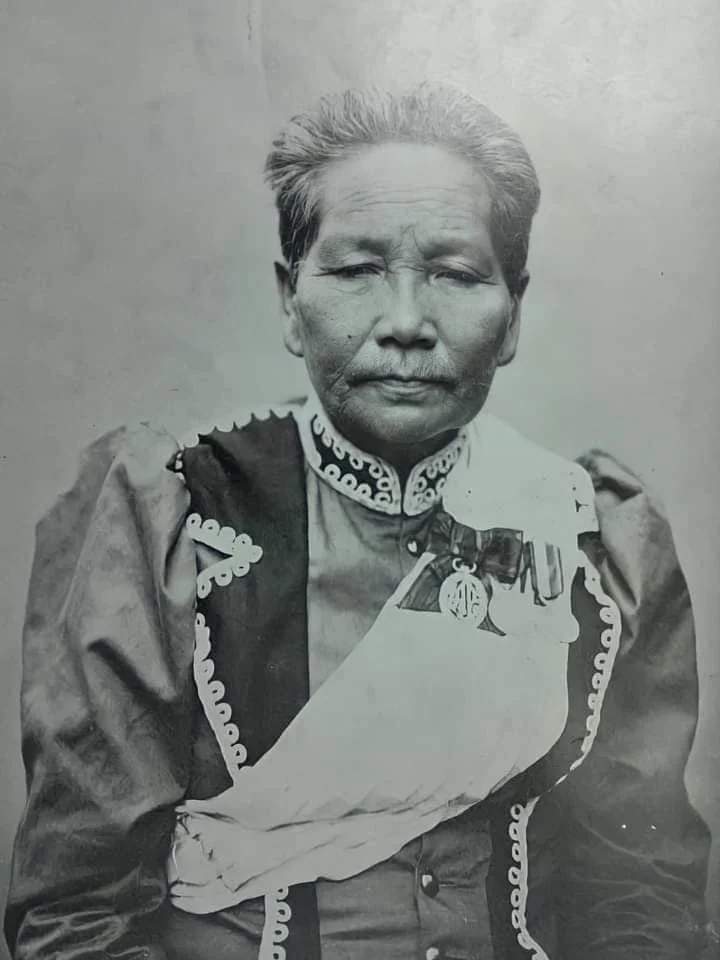
ในส่วนของหลวงแม่เจ้า (คำดี) มีประวัติระบุว่า ท่านเกิดในสมัยรัชกาลที่ 3 เป็นเชื้อสายของชาวลาวเวียงที่ถูกกวาดต้อนอพยพมาตั้งถิ่นฐานในแขวงเมืองพนัศนิคม (ปัจจุบันคืออำเภอพนัสนิคม จังหวัดชลบุรี) เริ่มถวายตัวรับราชการครั้งแรกในสมัยรัชกาลที่ 4 ภายหลังย้ายมารับราชการในกรมโขลน จนมีตำแหน่งเป็นหลวงแม่เจ้า
หลวงแม่เจ้า (คำดี) มีหน้าที่กำกับด้านเอกสารและเขียนรายงานเวรยามของโขลนในแต่ละเวร ให้ “เสด็จอธิบดี” พระเจ้าบรมวงศ์เธอ กรมหลวงทิพยรัตนกิริฎกุลินี ผู้สำเร็จราชการฝ่ายใน และอธิบดีกรมโขลน และท้าววรจันทร์ (เจ้าจอมมารดาวาด ในรัชกาลที่ 4) หัวหน้าท้าวนางฝ่ายใน ทราบ
หลวงแม่เจ้าคำดี เป็นเชื้อสายเมืองเวียงจันทร์ ซึ่งลงมาตั้งภูมิลำเนาอยู่ในมณฑลปราจีนบุรี เกิดที่เมืองพนมสารคาม ในรัชกาลที่ 3 เมื่อวันอังคาร เดือน 8 ปีฉลู พ.ศ. 2383 เข้ามารับราชการเป็นโขลนในพระบรมมหาราชวังตั้งแต่รัชกาลที่ 4 ได้ฝึกหัดเป็นทหารหญิงสำหรับไปตามเสด็จหัวเมืองกับกระบวนประเทียบ
ในรัชกาลที่ 5 ได้มีตำแหน่งเป็นนายพนักงานรักษาท้องที่ในพระบรมมหาราชวัง รับราชการมาโดยความอุตสาหะและซื่อตรงต่อหน้าที่ กอปรด้วยอัธยาศัยสัมมาคารวะ เป็นที่ชื่นชอบพอทั่วทั้งในพระราชวัง ได้เลื่อนยศขึ้นเป็นทนายเรือน แล้วเป็นจ่าตำแหน่งสูงขึ้นโดยลำดับ
ได้รับพระราชทานเหรียญรัตนาภรณ์ทั้งรัชกาลที่ 4 ถึงรัชกาลที่ 6 และในรัชสมัยพระมงกุฎเกล้าเจ้าอยู่หัว ได้รับพระราชทานสัญญาบัตรเป็นตำแหน่งหลวงแม่เจ้า ซึ่งเป็นตำแหน่งรองแต่ท้าวศรีสัจจาลงมา เมื่อวันที่ 10 พฤษภาคม พ.ศ. 2454
ตั้งแต่หลวงแม่เจ้าคำดีรับราชการสนองพระเดชพระคุณมา ค่อยสะสมทรัพย์บริบูรณ์ขึ้น สร้างบ้านเรือนอยู่ริมถนนตะนาวตรงหน้าวัดมหรรณพาราม และได้บริจาคทรัพย์ทำการปฏิสังขรณ์วัดมหรรณพารามหลายรายการ รวมทั้งปฏิสังขรณ์วัดจอมมณีในอำเภอพนมสารคามบ้านเดิม
เมื่อหลวงแม่เจ้าคำดีแก่ชรา มีอาการป่วยทุพพลภาพ ต้องออกมารักษาตัวอยู่ที่บ้านเป็นส่วนใหญ่ จนถึงแก่กรรมเมื่อวันที่ 15 มีนาคม พ.ศ. 2462 รวมอายุ 79 ปี
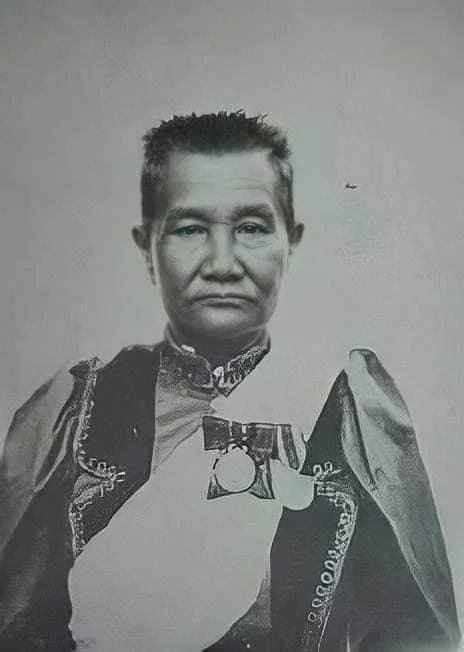
หลวงแม่เจ้า (เขียน) รับราชการฝ่ายในในกรมโขลนมาแต่แผ่นดินพระบาทสมเด็จพระจอมเกล้าเจ้าอยู่หัว ได้รับพระราชทานเหรียญรัตนาภรณ์ ม.ป.ร. ชั้น 5 และรับราชการต่อเนื่องจนถึงรัชกาลที่ 7 ถึงแก่อนิจกรรมด้วยโรคชรา เมื่อวันที่ 1 กุมภาพันธ์ พ.ศ. 2468 รวมอายุ 85 ปี พระราชทานเพลิงศพที่ปะรำเชิงบรมบรรพต วัดสระเกศ เมื่อวันที่ 29 เมษายน พ.ศ. 2473
ภาพแรก: หลวงแม่เจ้า (คำดี) ในชุดแต่งกายตามระเบียบของกรมโขลน
ภาพที่สอง: หลวงแม่เจ้า (เขียน) ในชุดแต่งกายตามระเบียบของกรมโขลน
Cr. ฉายานิทรรศน์ ภาพลงสีต้นฉบับ
Cr. หนังสือ คนดีที่ข้าพเจ้ารู้จัก จัดทำโดยชมรมดำรงวิทยา
Cr. หนุ่มรัตนะพ้นทิป ณล
Cr. ศิลปวัฒนธรรม https://www.silpa-mag.com/history/article_132348
__________
Who Were the Klone, and What Was Their Role in the Grand Palace?
The image restored and creatively re-imagined using AI technology depicts the Department of Klone.
The term “Klone (โขลน)” is no longer familiar to most people today, as it has disappeared from everyday usage. In the past, however, the Klone played a significant role within the Grand Palace. They operated under the supervision of an official known as the “Sadet Athibodi” (เสด็จอธิบดี), who oversaw the Department of Klone.
The Klone were female court officials attached to the Department of Klone. This institution existed from the Ayutthaya period and continued into the Rattanakosin era. Their duties were comparable to those of a metropolitan police force within the royal court, particularly in matters of order and discipline.
The Department of Klone was under the authority of the Ministry of the Royal Household (กระทรวงวัง) and followed a clear hierarchical structure. The lowest rank was nai (นาย), followed by cha (จ่า), while the highest rank was “Luang Mae Chao” (หลวงแม่เจ้า). Overall command rested with the Director-General of the Department of Klone.
During the reign of King Chulalongkorn (พระบาทสมเด็จพระจุลจอมเกล้าเจ้าอยู่หัว), the Director-General of the Department of Klone—commonly referred to as the Sadet Athibodi—was Princess Thipyaratna Kiridakulini (พระเจ้าบรมวงศ์เธอ กรมหลวงทิพยรัตนกิริฎกุลินี). Her original name was Princess Napapornprapha (พระเจ้าลูกเธอ พระองค์เจ้านภาพรประภา). She was a daughter of King Mongkut (พระบาทสมเด็จพระจอมเกล้าเจ้าอยู่หัว), born to Chao Chom Manda Samli (เจ้าคุณจอมมารดาสำลี) of the Bunnag family.
Princess Thipyaratna Kiridakulini had four full siblings from the same mother, one of whom was Queen Sukhumala Marasri (สมเด็จพระปิตุจฉาเจ้า สุขุมาลมารศรี พระอัครราชเทวี), a royal consort of King Chulalongkorn.
In addition to supervising the Inner Court administration, the Sadet Athibodi also served as guardian to Prince Asdang Dejavudh (สมเด็จพระอนุชาธิราช เจ้าฟ้าอัษฎางค์เดชาวุธ กรมหลวงนครราชสีมา), a son of King Chulalongkorn born to Queen Saovabha Phongsri (สมเด็จพระศรีพัชรินทราบรมราชินีนาถ พระบรมราชชนนีพันปีหลวง).
The office and guard post of the Department of Klone were located on the ground floor of Niphatpong Thaworn Wijit Hall (พระที่นั่งนิพัทธพงศ์ถาวรวิจิตร) and were known as the Sala Krom Klone (ศาลากรมโขลน). The standard uniform of Klone personnel consisted of a dark navy blue chong kraben, a white round-neck blouse with a front opening fastened by five buttons, long tubular sleeves reaching the wrists, and a white rectangular cloth worn diagonally over the left shoulder as a sabai.
The primary duty of the Klone was to maintain order and security, ensuring that all individuals complied with court customs and regulations under the Palace Law (กฎมณเฑียรบาล).
Although the Klone were members of the royal household, they occupied the lowest social tier among palace residents. Palace society was traditionally divided into three groups: the upper class, comprising royalty and members of the royal family; the middle class, consisting of the children of ministers or wealthy families serving royal residences; and the lower class, made up of labourers, servants, and the Klone.
Despite their low status, the authority of the Klone derived from their role in enforcing palace discipline. They were empowered to reprimand individuals who violated court etiquette, often doing so publicly before fellow attendants, causing embarrassment. As a result, palace residents feared the Klone and avoided conflict with them.
The Luang Mae Chao (หลวงแม่เจ้า) was particularly feared by women residing within the Inner Palace, as she was the commanding officer of the Klone. Her responsibilities included maintaining order, guarding gates, apprehending and punishing offenders, and clearing pathways when royal ladies travelled within the palace.
Historical records from the reigns of King Chulalongkorn (Rama V) and King Vajiravudh (Rama VI) identify two individuals who held the rank of Luang Mae Chao: Luang Mae Chao Khamdi (หลวงแม่เจ้า คำดี) and Luang Mae Chao Khian (หลวงแม่เจ้า เขียน).
Luang Mae Chao Khamdi was born during the reign of Rama III. She was of Lao Vieng descent, resettled in Phanat Nikhom (present-day Phanat Nikhom District, Chonburi Province). She first entered royal service during the reign of Rama IV and later transferred to the Department of Klone, eventually rising to the rank of Luang Mae Chao.
Her duties included overseeing documentation and compiling duty reports for each Klone shift, which were submitted to Princess Thipyaratna Kiridakulini, as well as to Thao Worajan (ท้าววรจันทร์), also known as Chao Chom Manda Wat (เจ้าจอมมารดาวาด), the head of the Inner Court ladies.
Luang Mae Chao Khamdi was born on Tuesday, the 8th lunar month, Year of the Ox, BE 2383 (1840 CE), in Phanom Sarakham. She entered palace service during the reign of Rama IV and underwent training as a female guard for royal processions to provincial cities.
During the reign of Rama V, she held the post of chief territorial guard within the Grand Palace. Through diligence, loyalty, and exemplary conduct, she rose through the ranks from nai to cha, eventually receiving the rank of Luang Mae Chao. She was awarded the Ratana Phon Order (เหรียญรัตนาภรณ์) across the reigns of Rama IV, Rama V, and Rama VI, and formally received her commission on 10 May BE 2454 (1911 CE).
Over the course of her service, she accumulated sufficient wealth to build a residence on Tanao Road opposite Mahannapharam Temple. She also funded restorations of Mahannapharam Temple and Wat Chommanee in her hometown of Phanom Sarakham.
In her later years, declining health forced her to retire from active service. She passed away on 15 March BE 2462 (1919 CE) at the age of 79.
Luang Mae Chao Khian served in the Department of Klone from the reign of Rama IV. During the reign of Rama V, she received the Ratana Phon Order (M.P.R., Class V) during the centennial commemoration of King Mongkut’s birth. She continued in service until the reign of King Prajadhipok (Rama VII) and passed away from old age on 1 February BE 2468 (1925 CE), aged 85. Her cremation was held at the cremation pavilion at Wat Saket on 29 April BE 2473 (1930 CE).
__________
เรียนเชิญกด Subscribe ได้ที่ลิงก์นี้ครับ เพื่อร่วมติดตามงานสร้างสรรค์ต้นฉบับ งานวิจัยประวัติศาสตร์แฟชั่น และผลงานอนุรักษ์มรดกวัฒนธรรมด้วยเทคโนโลยี AI ของ AI Fashion Lab, London ซึ่งมุ่งตีความอดีตผ่านมิติใหม่ของการบูรณะภาพ การสร้างสรรค์ภาพ และการเล่าเรื่องด้วยศิลปะเชิงดิจิทัล 🔗 https://www.facebook.com/aifashionlab/subscribe/
#aifashionlab #AI #aiartist #aiart #aifashion #aifashiondesign #aifashionstyling #aifashiondesigner #fashion #fashionhistory #historyoffashion #fashionstyling #fashionphotography #digitalfashion #digitalfashiondesign #digitalcostumedesign #digitaldesign #digitalaiart #ThaiFashionHistory #ThaiFashionAI #thailand #UNESCO