ทำไม “สมเด็จพระพันปีหลวง” พระบรมราชินีนาถในรัชกาลที่ ๕ ทรงนอนตอนเช้า และทรงตื่นในเวลาค่ำ?
ทำไม “สมเด็จพระพันปีหลวง” พระบรมราชินีนาถในรัชกาลที่ ๕ ทรงนอนตอนเช้า และทรงตื่นในเวลาค่ำ?
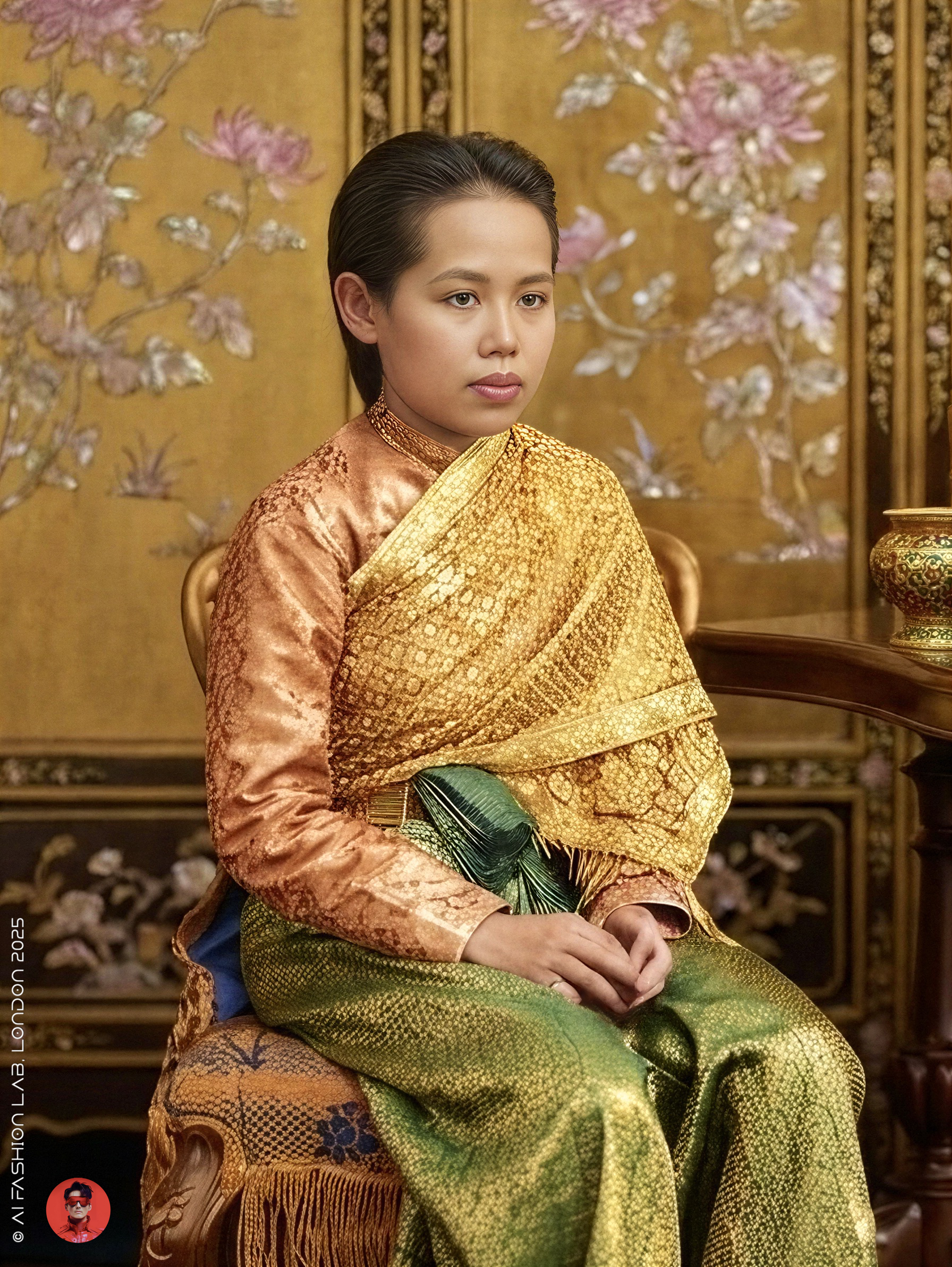
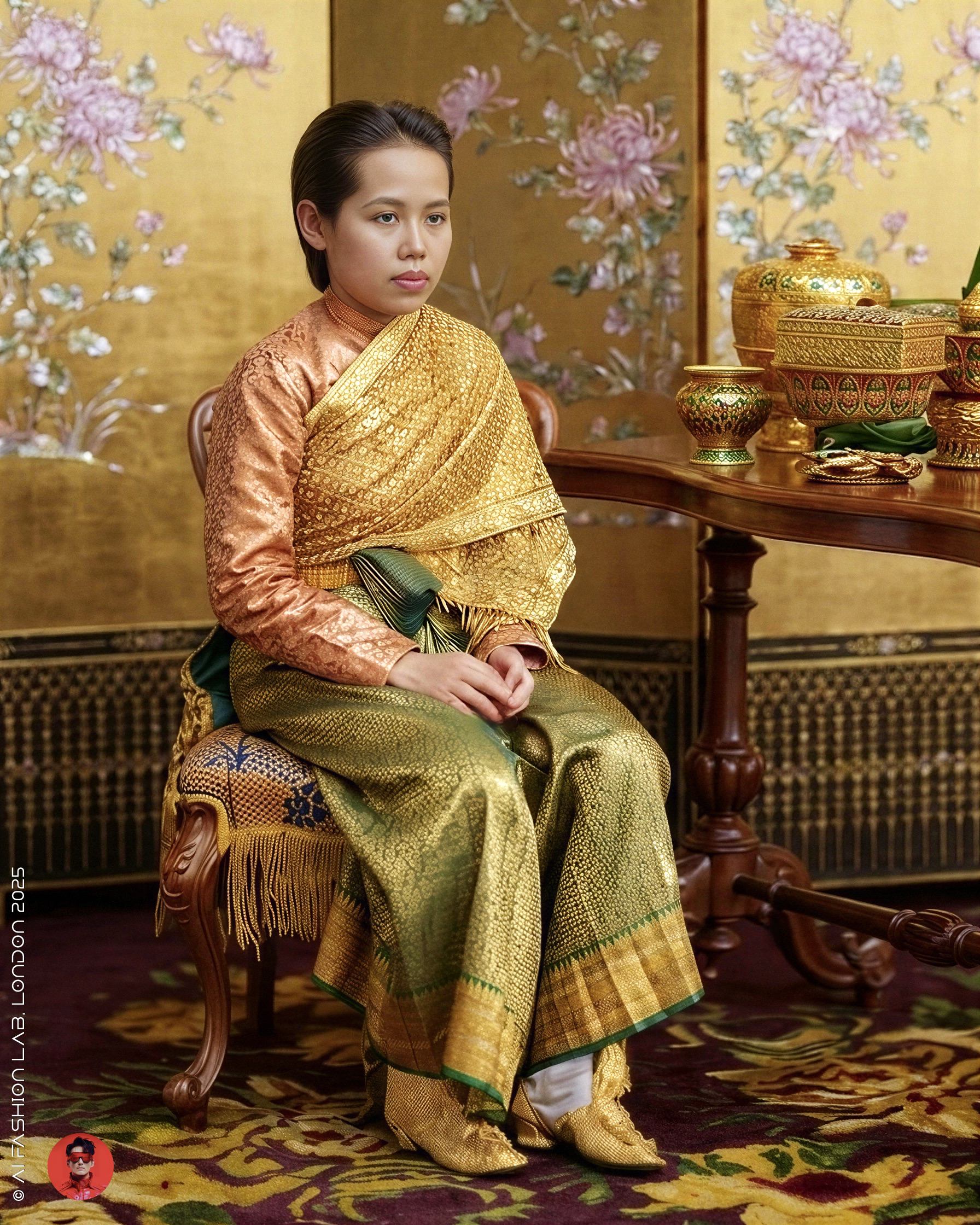
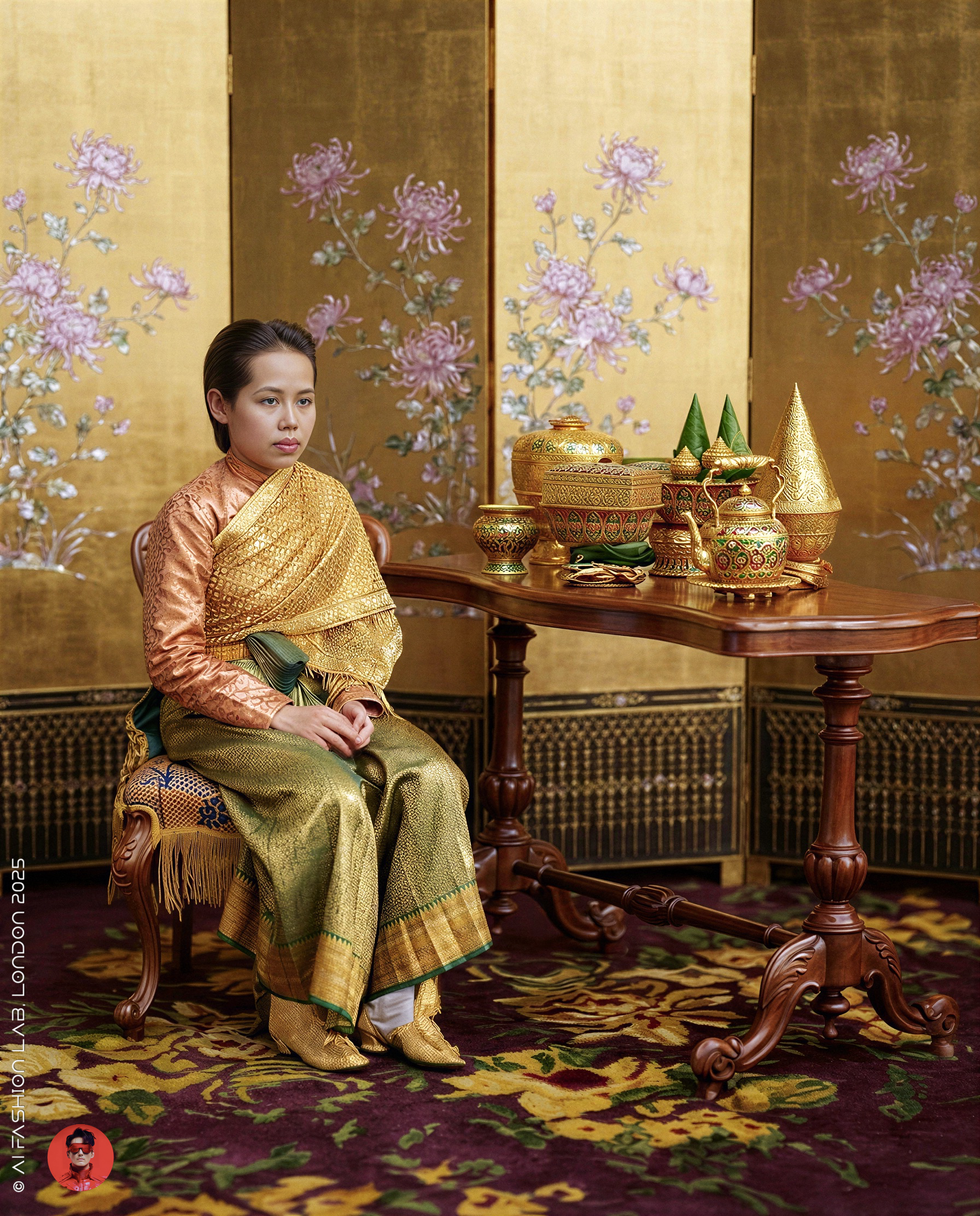
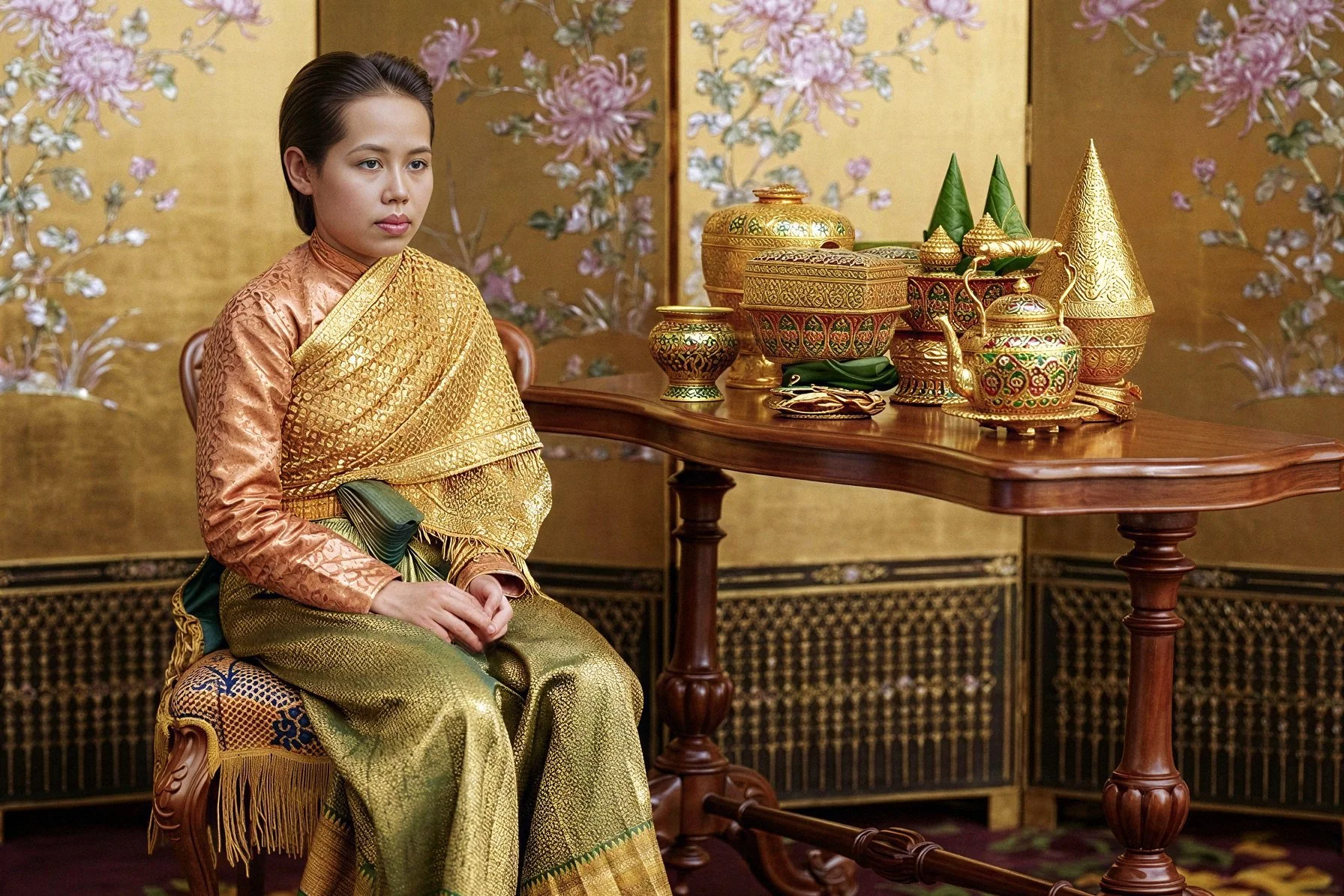
ภาพที่ได้รับการบูรณะด้วยเทคโนโลยี AI นี้ เป็นพระฉายาลักษณ์ของสมเด็จพระศรีพัชรินทราบรมราชินีนาถ พระบรมราชชนนีพันปีหลวง
พระฉายาลักษณ์ต้นฉบับคาดว่าฉายในช่วงต้นรัชกาลที่ ๕ สมเด็จพระศรีพัชรินทราบรมราชินีนาถ ทรงเครื่องเต็มยศอย่างขัตติยนา
สมเด็จพระศรีพัชรินทราบรมราชินีนาถ พระบรมราชชนนีพันปีหลวง หรือ “สมเด็จพระพันปีหลวง” พระภรรยาเจ้าในพระบาทสมเด็จพระจุลจอมเกล้าเจ้าอยู่หัว และพระบรมราชชนนีในพระบาทสมเด็จพระมงกุฎเกล้าเจ้าอยู่หัว ทรงมีพระกิจวัตรที่พิเศษกว่าพระบรมวงศานุวงศ์พระองค์อื่น ตรงที่บรรทมตอนเช้า และทรงตื่นตอนเย็นหรือค่ำ จากนั้นก็ทรงปฏิบัติพระราชกิจไปจนถึงเช้า ก่อนบรรทมตอนเช้าตรู่ เป็นเช่นนี้เรื่อยไป จน “หมอสมิธ” ต้องกราบทูลถามเพื่อให้คลายความสงสัย
นายแพทย์มัลคอล์ม สมิธ (Dr. Malcolm Smith) แพทย์ประจําพระองค์ สมเด็จพระพันปีหลวง เล่าถึงพระกิจวัตรของพระองค์ว่า ทรงใช้เวลาส่วนใหญ่ประทับอยู่ในห้องบรรทม ณ วังพญาไท และปฏิบัติพระราชกิจส่วนพระองค์ภายในห้องนี้
เมื่อตื่นบรรทมและทรงปฏิบัติกิจส่วนพระองค์แล้ว สมเด็จพระพันปีหลวงจะทรงเริ่มด้วยการโปรดให้ พระเจ้าวรวงศ์เธอ พระองค์เจ้าจุลจักรพงษ์ พระราชนัดดาของพระองค์ ซึ่งเป็นพระโอรสในสมเด็จพระเจ้าบรมวงศ์เธอ เจ้าฟ้าจักรพงษ์ภูวนาถ กรมหลวงพิษณุโลกประชานาถ ประสูติแต่หม่อมแคทยา เข้าเฝ้า เพื่อทรงพูดคุยซักถามเรื่องราวต่างๆ ทั้งที่เกี่ยวกับเจ้าฟ้าจักรพงษ์ภูวนาถ พระองค์เจ้าจุลจักรพงษ์ และเรื่องอื่นๆ
จากนั้นจึงจะเป็นช่วงเวลาเสวยพระกระยาหาร ซึ่งระหว่างนั้นก็ทรงปฏิบัติพระราชกรณียกิจอย่างอื่นไปด้วย เช่น โปรดให้พระบรมวงศานุวงศ์เข้าเฝ้า และโปรดให้ข้าราชสำนักเข้าเฝ้ากราบทูลข่าวสารประจำวัน ใครที่ยังไม่ถึงเวลาเข้าเฝ้า ก็จะรอกันอยู่ที่ท้องพระโรง วังพญาไท
หนึ่งในผู้ที่เข้าเฝ้าเป็นประจำ คือ หมอสมิธ ที่ต้องเข้าเฝ้าเพื่อสังเกตและบันทึกข้อมูลพระพลานามัย ทั้งเรื่องอาหารที่เสวย ตลอดจนเรื่องการขับถ่าย ที่ต้องบันทึกถึงพระบังคนหนักและพระบังคนเบา เพื่อนำมาวินิจฉัยพระอาการหากมีอะไรแตกต่างจากเดิม
หมอสมิธบรรยายถึงพระกระยาหารโปรดของสมเด็จพระพันปี เช่น ซุปข้น ซึ่งมีส่วนผสมของข้าวและใช้ปลาปรุงรสแทนเนื้อ (น่าจะเป็นข้าวต้มปลา) และพระกระยาหารที่พบบ่อยๆ ได้แก่ เนื้อวัวหั่นเป็นชิ้นบางๆ นำลงทอดในน้ำมันมากๆ เติมเกลือและน้ำตาลลงไปในปริมาณที่เท่ากัน ทอดจนเกรียม เสิร์ฟพร้อมกับข้าวสวยอย่างเดียว หรือเสิร์ฟพร้อมกับแกง
เมนูข้างต้นที่พบได้บ่อยๆ นี้ หมอสมิธเห็นว่า เป็นพระกระยาหารโปรดของสมเด็จพระศรีพัชรินทราบรมราชินีนาถ เพราะทรงใช้เวลานานมากระหว่างเสวย
เล่ากันว่า บางครั้งพระกระยาหารมื้อหลักนี้ถูกยกออกไปเมื่อเวลาตี 3 แต่ระหว่างเสวยนั้นก็ทรงปฏิบัติพระราชภารกิจอื่นๆ ควบคู่ไปด้วย เช่น รับรองผู้คนที่เข้ามาเฝ้ารับฟังข่าวสารประจำวัน
“สำหรับสมเด็จพระพันปีฯ การพูดคุยดูจะเป็นกิจกรรมหลักในชีวิตของพระองค์ และพระองค์ไม่เคยที่จะทรงเบื่อหน่าย หากจะทรงเศร้าพระทัยมากกว่าถ้าไม่มีใครมาพูดคุยด้วย” หมอสมิธ เล่า
พระองค์ใดหรือใครที่สามารถทูลเล่าเรื่องที่พระองค์สนพระทัย ก็อาจใช้เวลาเข้าเฝ้านานกว่าผู้อื่น ซึ่งผู้เข้าเฝ้าคนสุดท้ายจะกลับออกไปราว ๖ โมงเช้า
หลังจากนั้นจะเป็นเวลาที่สมเด็จพระพันปีหลวงทรงเตรียมพระองค์เสด็จเข้าที่บรรทม พนักงานจะชักพระวิสูตรปิดห้องพระบรรทม ทั้งห้องตกอยู่ในความมืด เหลือเพียงพนักงานอ่านบทกลอนขับกล่อม ซึ่งเสียงจะค่อยๆ เงียบลง เมื่อบรรทมแล้ว
หมอสมิธเคยสงสัยว่า เหตุใดสมเด็จพระพันปีหลวงถึงทรงมีพระกิจวัตรที่แตกต่างจากผู้อื่น คำตอบของพระองค์คือ เป็นความพอพระทัยส่วนพระองค์เท่านั้น
ผู้เขียน กองบรรณาธิการศิลปวัฒนธรรม
เผยแพร่ วันจันทร์ที่ 17 พฤศจิกายน พ.ศ.2568
อ่านบทความต้นฉบับได้ที่ : https://www.silpa-mag.com/history/article_131719
อ่านบทความต้นฉบับได้ที่ : https://www.silpa-mag.com/history/article_142735
___________________
Why Did the “Queen Mother” in the Reign of King Rama V Sleep in the Morning and Wake in the Evening?
Why did Queen Saovabha Phongsri, the Queen Consort in the reign of King Chulalongkorn (King Rama V), later known as the Queen Mother (Somdet Phra Phan Pi Luang – สมเด็จพระพันปีหลวง), sleep during the morning and awaken in the evening?
The AI-restored photograph presented here is a portrait of Queen Saovabha Phongsri (สมเด็จพระศรีพัชรินทราบรมราชินีนาถ), Queen Consort of King Chulalongkorn and later Queen Mother (Phra Boromma Rajachonnani Phan Pi Luang – พระบรมราชชนนีพันปีหลวง).
The original photograph is believed to have been taken in the early years of King Rama V’s reign. In the image, Queen Saovabha Phongsri is depicted in full royal regalia, dressed in formal royal attire befitting her status.
Why Did the Queen Mother Sleep in the Morning and Wake at Night?
Queen Saovabha Phongsri (สมเด็จพระศรีพัชรินทราบรมราชินีนาถ), Queen Consort of King Chulalongkorn (พระบาทสมเด็จพระจุลจอมเกล้าเจ้าอยู่หัว) and mother of King Vajiravudh (พระบาทสมเด็จพระมงกุฎเกล้าเจ้าอยู่หัว), maintained a daily routine that differed markedly from that of other members of the royal family.
Her distinctive schedule involved sleeping during the morning hours and waking in the late afternoon or evening. From that point onward, she would carry out her duties throughout the night until dawn, before retiring again in the early morning. This cycle continued consistently for many years—so much so that Dr. Malcolm Smith (นายแพทย์มัลคอล์ม สมิธ), her personal physician, eventually felt compelled to ask her about it out of curiosity.
Account by Dr. Malcolm Smith
Dr. Malcolm Smith, physician to the Queen Mother, recorded that she spent most of her time residing within her bedchamber at Phaya Thai Palace (วังพญาไท), conducting many of her personal and royal affairs from within this private space.
Upon awakening and completing her personal preparations, the Queen Mother would customarily summon Prince Chula Chakrabongse (พระเจ้าวรวงศ์เธอ พระองค์เจ้าจุลจักรพงษ์)—her grandson and the son of Prince Chakrabongse Bhuvanath, Prince of Phitsanulok Prachanath (สมเด็จพระเจ้าบรมวงศ์เธอ เจ้าฟ้าจักรพงษ์ภูวนาถ กรมหลวงพิษณุโลกประชานาถ) and Mom Katya (หม่อมแคทยา)—to attend her.
She would engage him in conversation, asking questions about matters concerning his father, himself, and other affairs of interest.
Following this, it would be time for her main meal. Even while dining, she continued to carry out royal and administrative duties. Members of the royal family and court officials would be granted audiences to present reports and daily news. Those whose audience had not yet been scheduled would wait in the throne hall of Phaya Thai Palace.
Medical Observations and Daily Meals
One of her most regular visitors was Dr. Smith himself, who was required to observe and record details concerning her health. This included not only her diet but also detailed records of bodily functions, including bowel and urinary habits, which were essential for diagnosing any changes in her health.
Dr. Smith described some of the Queen Mother’s preferred dishes. Among them was a thick soup made with rice and fish instead of meat—likely a form of fish rice porridge. Another frequently served dish consisted of thinly sliced beef fried in a generous amount of oil, seasoned with equal parts salt and sugar, fried until well browned, and served either with plain steamed rice or alongside a curry.
Dr. Smith believed these dishes to be among her favourites, as she took an unusually long time to consume them.
It was said that on some occasions, this main meal would not be cleared away until around 3 a.m., as she continued to conduct royal business simultaneously—receiving courtiers and listening to daily reports throughout the night.
Conversation as the Centre of Her Life
“For Her Majesty, conversation appeared to be the central activity of her life,” Dr. Smith noted. “She never seemed to tire of talking, and would be far more distressed if there was no one with whom she could converse.”
Anyone capable of discussing topics that particularly interested her might be granted a notably long audience. The final visitor of the night would usually depart at around 6 a.m.
Retiring at Dawn
Afterwards, the Queen Mother would prepare to retire. Palace attendants would draw the curtains of the bedchamber, plunging the room into darkness. Only a single attendant would remain, softly reciting verses or poetry to lull her to sleep. The voice would gradually fade as she fell asleep.
Dr. Smith once questioned why her daily routine was so different from that of others. Her reply was simple: it was merely her personal preference.
Phaya Thai Palace and Royal Cuisine
Author: Silpa Wattanatham Editorial Team (กองบรรณาธิการศิลปวัฒนธรรม)
Published: Monday, 17 November B.E. 2568 (ค.ศ. 2025)
Read the original Thai article at: https://www.silpa-mag.com/history/article_142735
___________________
เรียนเชิญกด Subscribe ได้ที่ลิงก์นี้ครับ เพื่อร่วมติดตามงานสร้างสรรค์ต้นฉบับ งานวิจัยประวัติศาสตร์แฟชั่น และผลงานอนุรักษ์มรดกวัฒนธรรมด้วยเทคโนโลยี AI ของ AI Fashion Lab, London ซึ่งมุ่งตีความอดีตผ่านมิติใหม่ของการบูรณะภาพ การสร้างสรรค์ภาพ และการเล่าเรื่องด้วยศิลปะเชิงดิจิทัล 🔗 https://www.facebook.com/aifashionlab/subscribe/
#aifashionlab #AI #aiartist #aiart #aifashion #aifashiondesign #aifashionstyling #aifashiondesigner #fashion #fashionhistory #historyoffashion #fashionstyling #fashionphotography #digitalfashion #digitalfashiondesign #digitalcostumedesign #digitaldesign #digitalaiart #ThaiFashionHistory #ThaiFashionAI #thailand #UNESCO